
The Evolution of Phnom Penh's Skyline: From Functional Towers to Architectural Landmarks
A City Growing Upward
Every great city tells its story through its skyline.
New York has Manhattan.
Hong Kong has Victoria Harbour.
Singapore has Marina Bay.
Dubai has Sheikh Zayed Road.
And increasingly, Phnom Penh has its own emerging collection of towers that reflect the city's ambitions, economic transformation, and evolving identity.
Yet skylines are not built overnight. They evolve. They mature. And eventually, they begin to express something larger than individual buildings. They begin to express the city itself.
Today, Phnom Penh stands at a fascinating point in its architectural journey. The city is no longer simply building taller. It is beginning to build with greater intention.
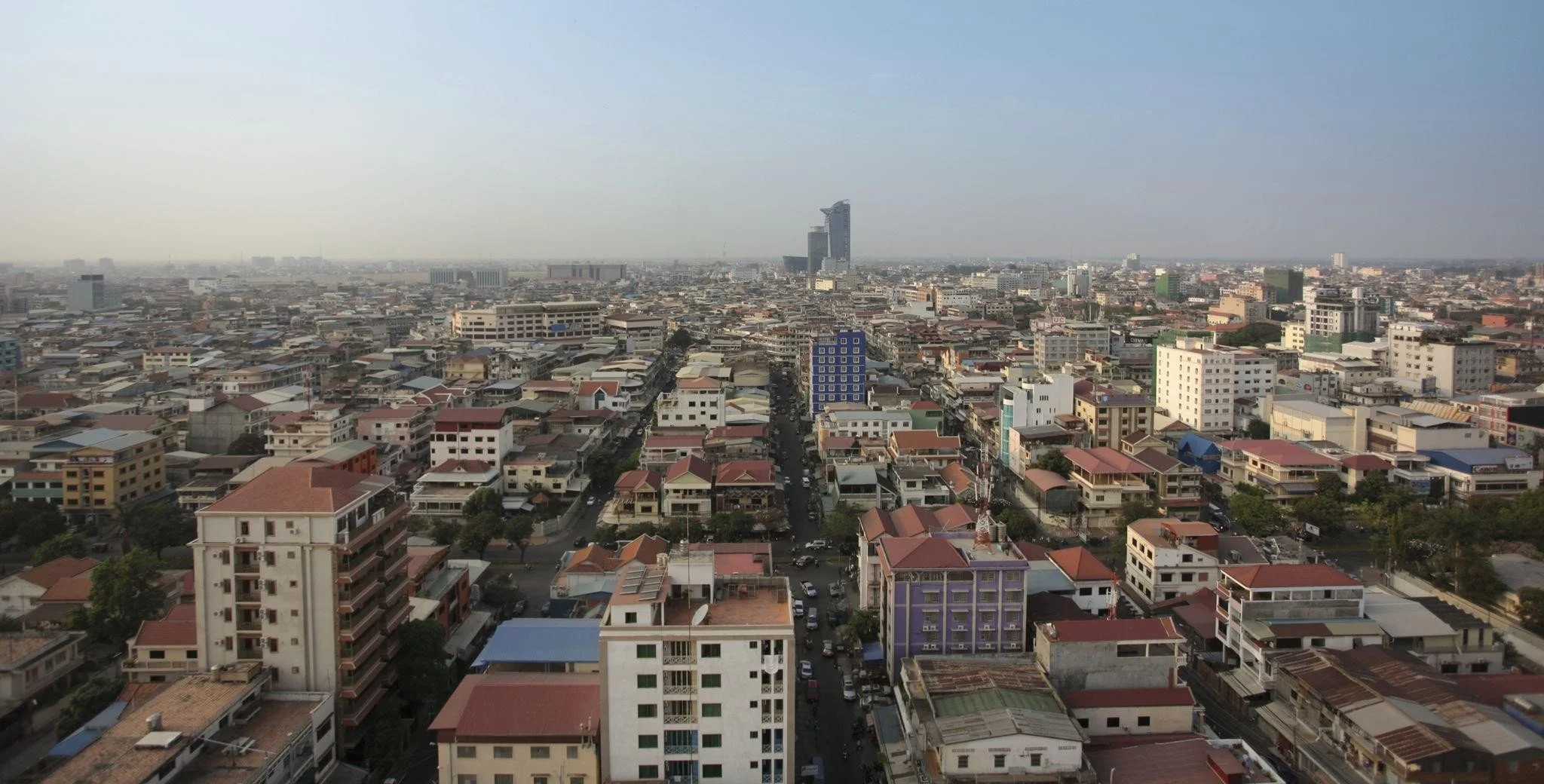
The Era of Functional Towers
For much of Phnom Penh's modern development cycle, high-rise construction was driven primarily by function.
The objective was straightforward:
More floor space.
More units.
More efficiency.
More density.
These early towers played an important role in introducing vertical living to a city historically dominated by low-rise neighborhoods and shophouses.
Their success was measured by practicality rather than architectural distinction.
Most shared common characteristics:
Repetitive façades
Simple rectangular forms
Limited skyline identity
Minimal relationship with the surrounding urban context
There was nothing inherently wrong with this approach. In fact, these projects helped establish the foundation for Phnom Penh's modern residential market. But very few were designed to become landmarks.
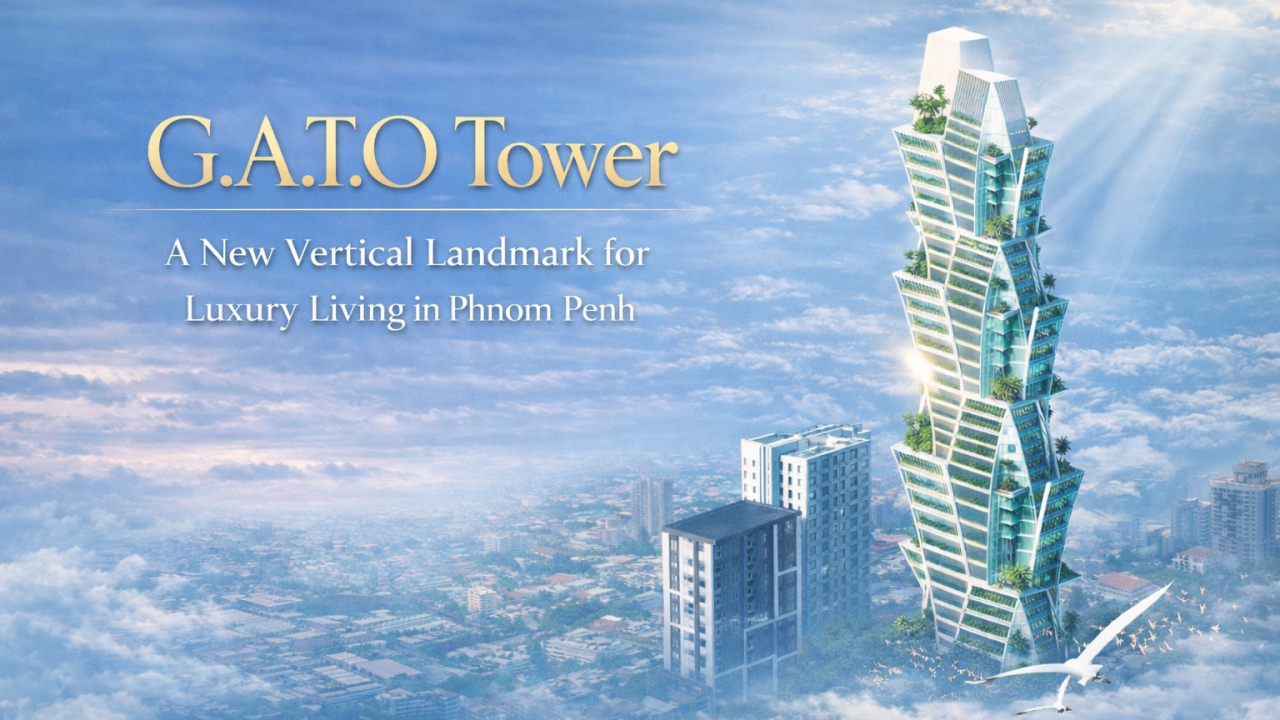
When Height Became a Symbol
As Cambodia's economy expanded and international investment increased, height itself became a statement.
Developers began competing through scale.
The conversation shifted from:
"How functional is the building?", to
"How tall is the building?"
For the first time, towers became symbols of ambition.
The skyline began changing rapidly. New towers appeared across BKK1, Tonle Bassac, Koh Pich, and Chroy Changvar. Height became a marketing tool. But height alone does not create identity.
Many cities around the world are filled with tall buildings that few people remember. The challenge was no longer building upward. The challenge was creating architecture worth remembering.
When Height Became a Symbol
As Cambodia's economy expanded and international investment increased, height itself became a statement.
Developers began competing through scale.
The conversation shifted from:
"How functional is the building?", to
"How tall is the building?"
For the first time, towers became symbols of ambition.
The skyline began changing rapidly. New towers appeared across BKK1, Tonle Bassac, Koh Pich, and Chroy Changvar. Height became a marketing tool. But height alone does not create identity.
Many cities around the world are filled with tall buildings that few people remember. The challenge was no longer building upward. The challenge was creating architecture worth remembering.
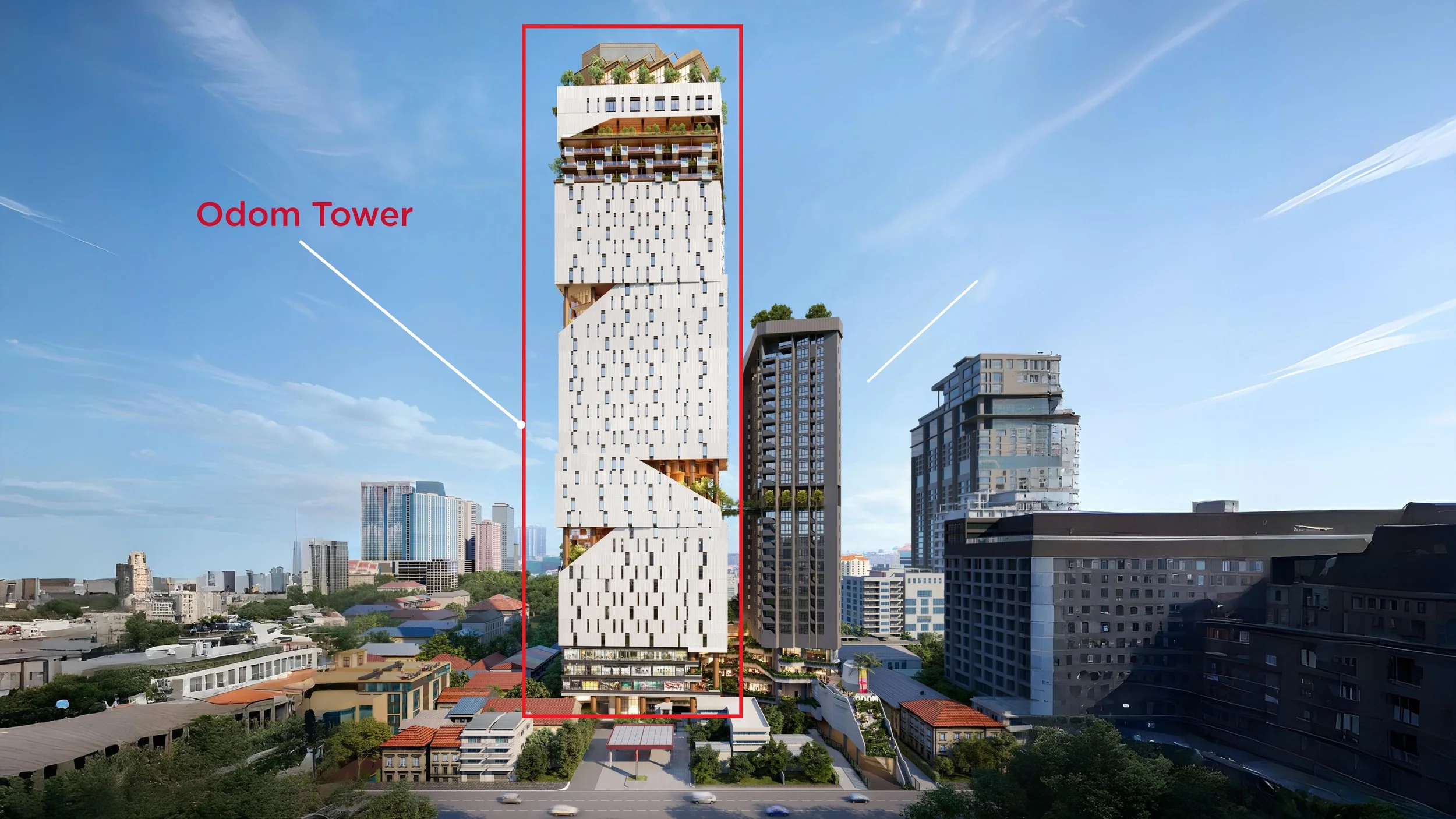
The Rise of Architectural Identity
Today, a new generation of Phnom Penh towers is beginning to focus on something more important than height.
The Identity: Developers increasingly recognize that architecture can become a competitive advantage. A recognizable façade. A distinctive crown. A memorable silhouette.
These elements help transform a tower from a project into a place. Recent residential developments demonstrate this evolution. Some express themselves through façade design, while others through skyline presence. Others through unique residential concepts such as sky villas and full-floor residences.
The conversation is gradually moving beyond square meters and floor counts. It is becoming a discussion about architectural character.
A New Generation of Residential Towers
Several recently completed and near-completed projects illustrate this transition.
A tower that emphasizes façade articulation and architectural refinement.
Its design seeks visual identity rather than relying solely on height.
A building that embraces verticality and skyline presence.
Its slender profile contributes to Phnom Penh's emerging urban silhouette.
A project that focuses on residential scale and exclusivity rather than architectural spectacle.
Morgan EnMaison is a massive waterfront vertical city on the Chroy Changvar peninsula
A project that introduces sky-villa concepts and challenges conventional definitions of condominium living.
Each represents a different interpretation of luxury architecture. Together, they reflect a broader shift in Phnom Penh's development story.
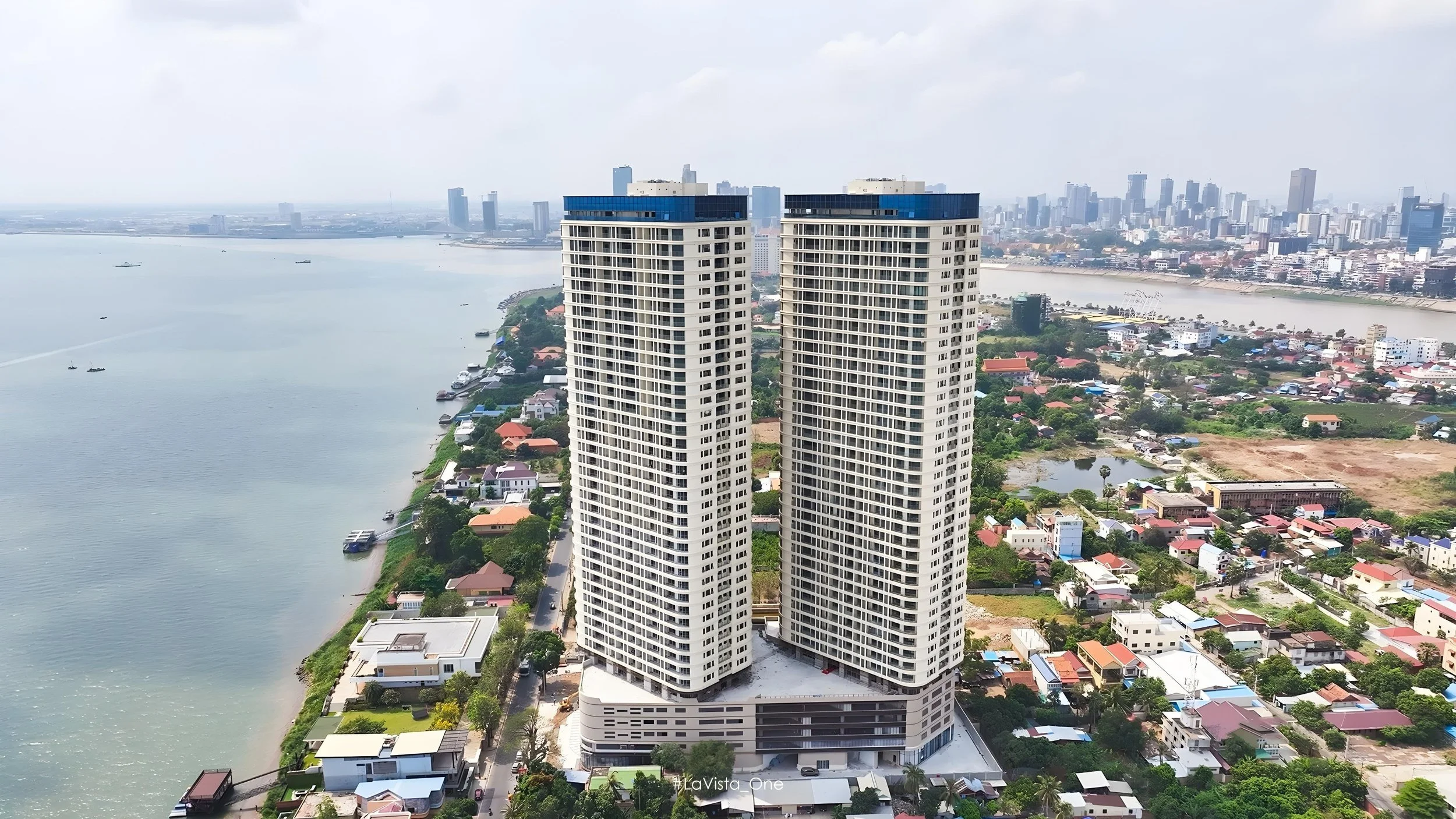
Beyond Buildings: Creating a Skyline
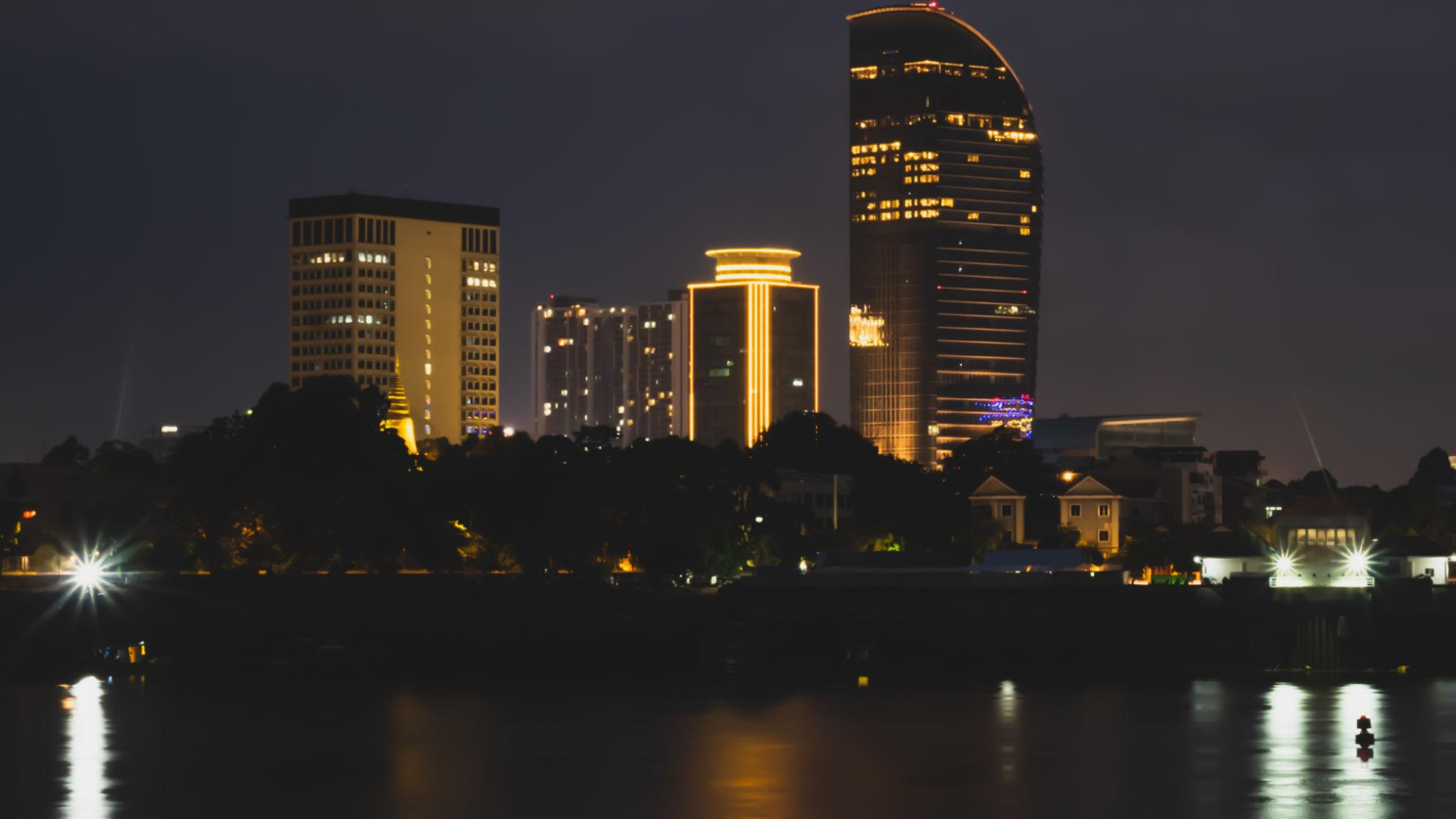
A skyline is not simply a collection of towers. It is a composition. Individual buildings matter. But equally important is how they interact with one another.
The most successful skylines contain variety:
Tall towers
Slender towers
Architectural landmarks
Waterfront markers
Urban clusters
The relationship between these elements creates visual rhythm and identity. This is where Phnom Penh becomes particularly interesting. The city remains young enough to shape its future skyline deliberately. Many of tomorrow's landmarks have not yet been built.
The Importance of Context
One lesson that emerges repeatedly in architecture is that buildings are rarely judged in isolation.
Context matters. A tower overlooking the Mekong River communicates differently from one located within a dense urban cluster. A waterfront building creates a different experience from a city-center tower.
Architecture and context work together. The strongest buildings understand their surroundings and respond accordingly.
In many ways, a skyline is the conversation between architecture and place.
Looking Ahead
What will Phnom Penh's skyline look like ten years from now?
No one knows for certain. But several trends appear increasingly clear.
Future landmark buildings will likely compete through:
Architectural identity
Design quality
Sustainability
Mixed-use integration
Residential experience
Height will remain important. But height alone will no longer be enough. The cities that people remember are rarely defined by their tallest building. They are defined by their most iconic ones.
Final Thoughts
After nearly 15 years working across market research, valuation, market intelligence, big-data analytics, and more recently luxury-residential curation, I have developed a growing appreciation for the role architecture plays in shaping cities.
Real estate is often discussed in terms of prices, transactions, and returns. Architecture invites us to think differently:
It asks how a building contributes to a neighborhood.
How a tower influences a skyline.
How a city expresses its ambitions through design.
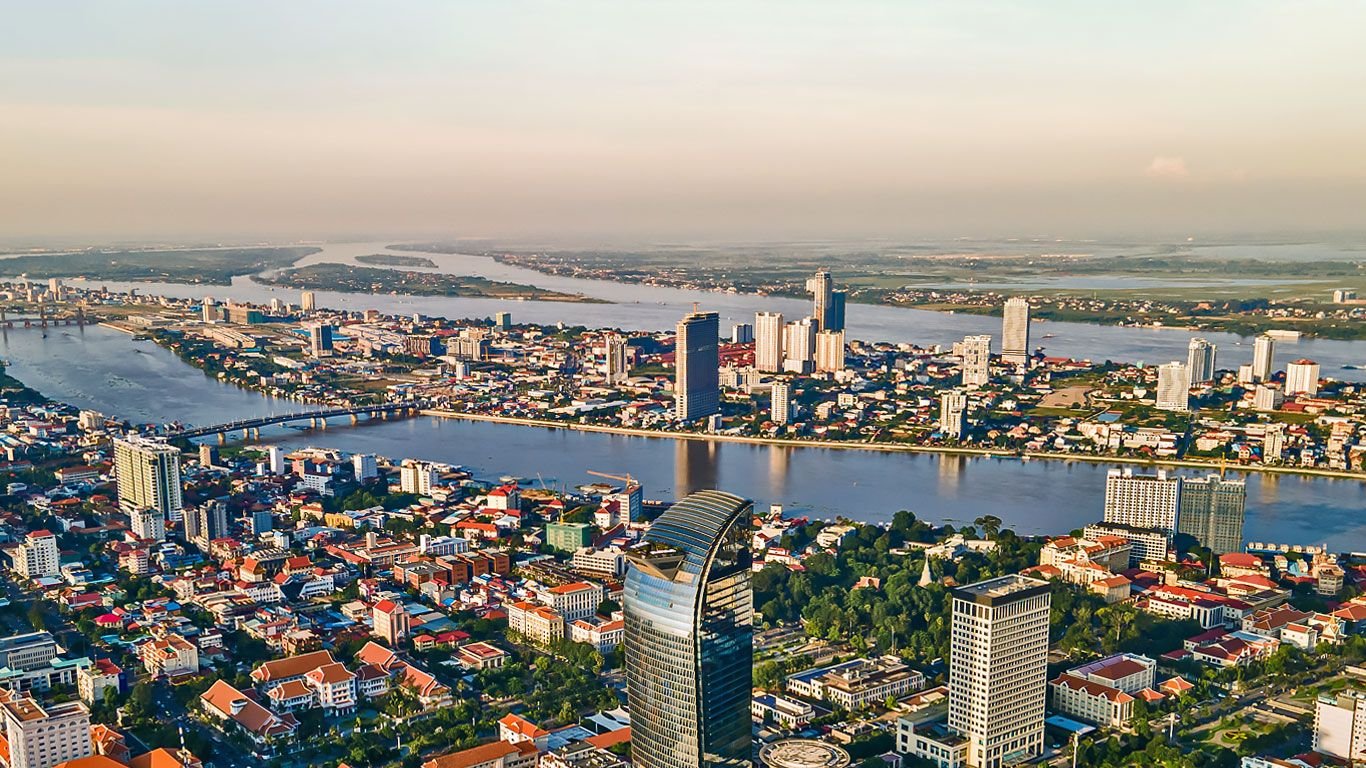
Phnom Penh's skyline is still evolving. Its story is still being written. And perhaps that is what makes it so fascinating.
The city's next chapter will not be defined solely by taller buildings. It will be defined by better ones.
About the Author
Hoem Seiha has spent nearly 15 years in Cambodia's real estate industry, specializing in market research, valuation, market intelligence, and data analytics. Today, his work increasingly focuses on luxury-residential curation, where architecture, design, lifestyle, and investment intersect.
Hoem Seiha Curator of Luxe Residences | ERA Cambodia
📞 +855 10 699 553 / WhatsApp
📲 Telegram: t.me/hoemseiha_era