
The Luxury of Space: Why Bigger Isn't Always Better
When More Square Meters Do Not Mean Better Living
In real estate, size has long been treated as a measure of success.
Developers promote larger floor plans. Buyers compare square meters. Market reports frequently focus on price per square meter as though size alone determines value.
The assumption is understandable. Given the choice between a larger residence and a smaller one, many people instinctively gravitate toward the larger option.
Yet some of the world's most desirable homes challenge this logic.
A thoughtfully designed 180-square-meter residence can feel significantly more luxurious than a poorly planned 350-square-meter home. Likewise, an elegant apartment with exceptional flow and proportions can provide a superior living experience compared with a larger property filled with awkward corners, oversized corridors, and underutilized rooms.
This raises an important question:
If bigger is not always better, what actually makes a space feel luxurious?
The answer lies not simply in size, but in how space is used.
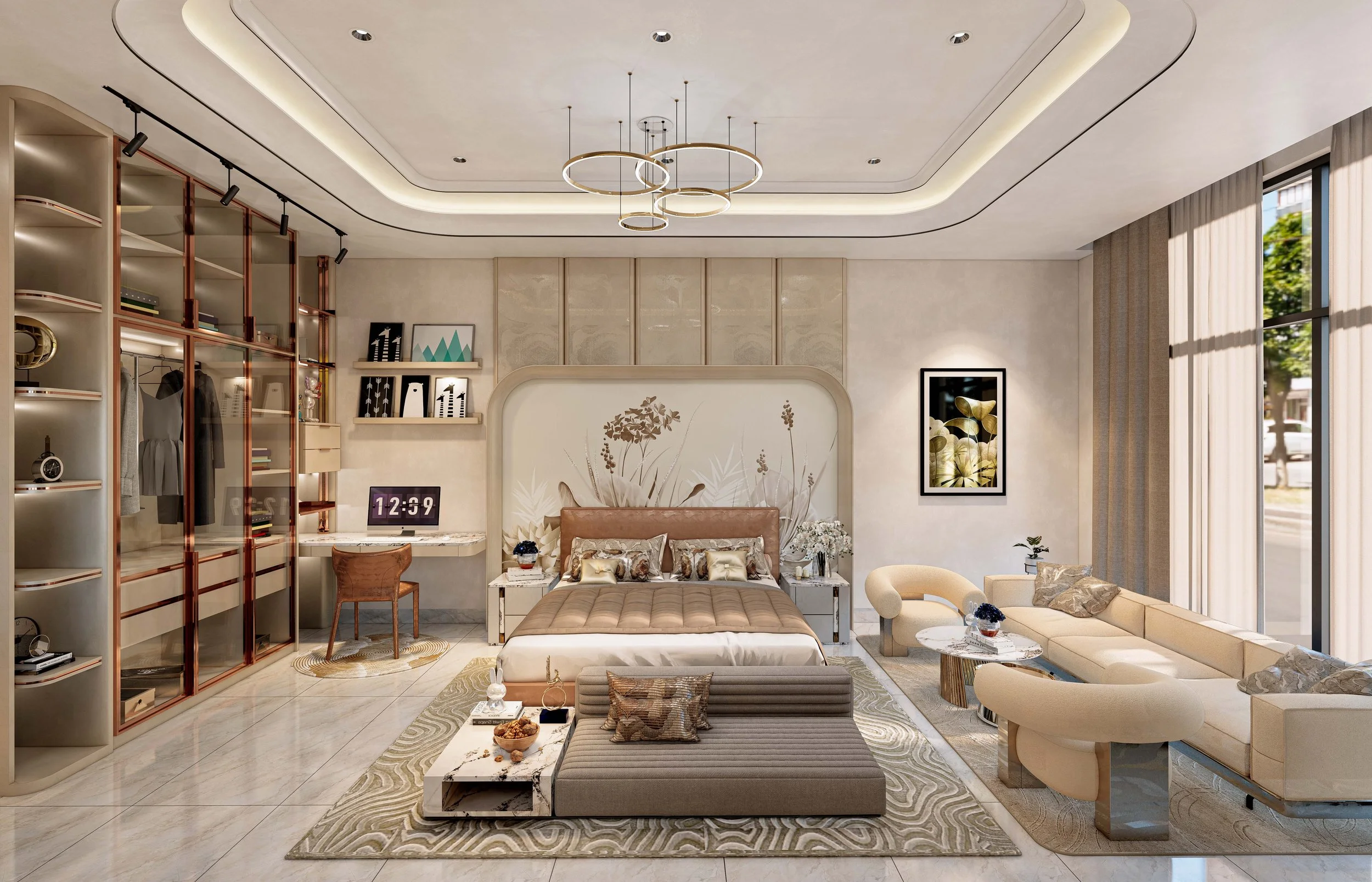
The Difference Between Space and Spaciousness
One of the most common misconceptions in residential design is the belief that space and spaciousness are the same thing.
They are not. Space refers to measurable area. Spaciousness refers to perception.
A residence may contain a large amount of floor area yet feel surprisingly confined. Another may occupy a smaller footprint while feeling open, comfortable, and generous.
Architects often focus on creating spaciousness rather than simply increasing size. They achieve this through layout planning, visual connections, natural light, ceiling height, and the careful placement of furniture and partitions.
This distinction explains why some compact luxury residences feel remarkably comfortable despite having fewer square meters than larger homes.
Luxury is often perceived rather than measured.
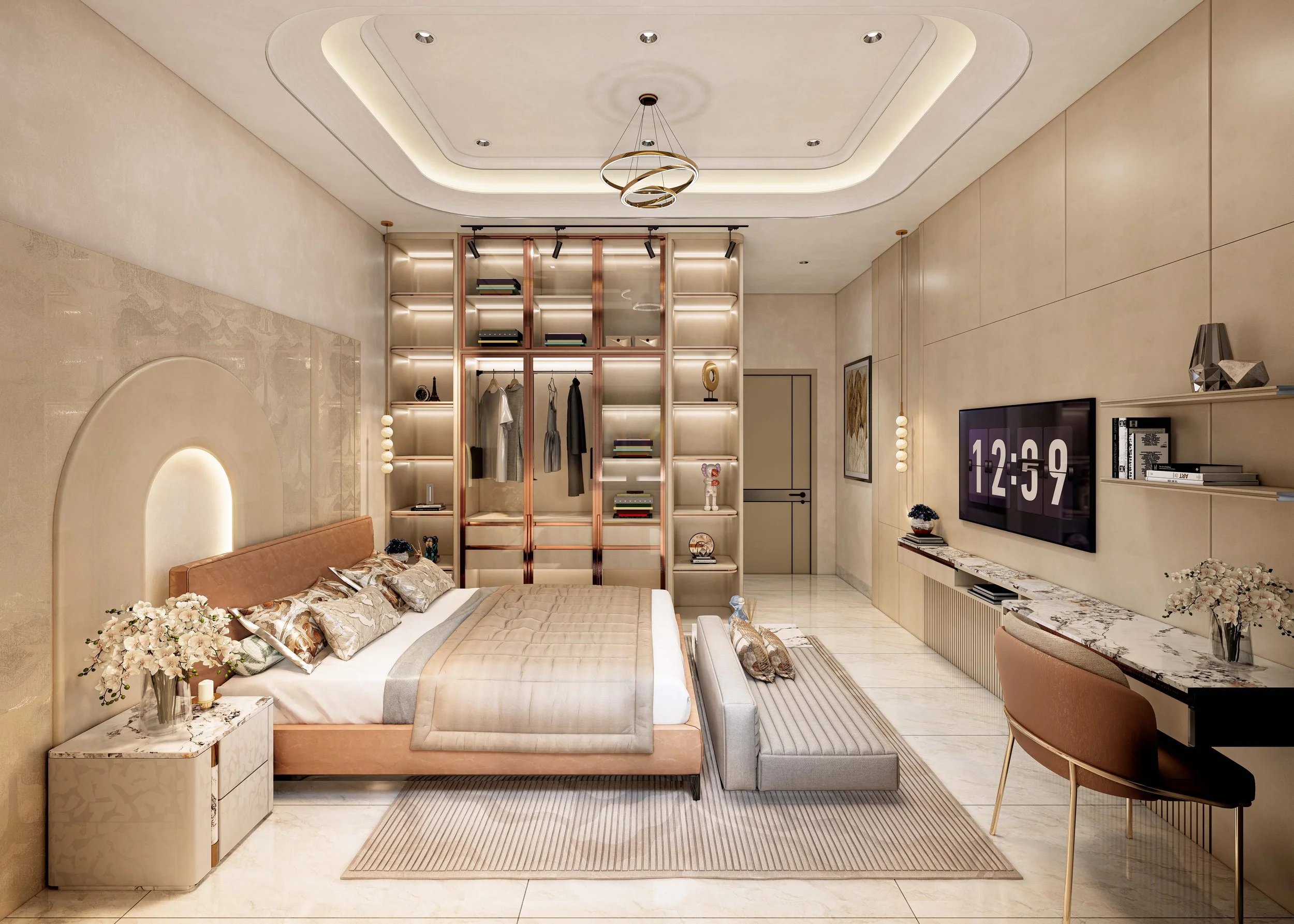
The Hidden Cost of Oversized Homes
Large homes undoubtedly offer advantages. They provide flexibility, accommodate larger families, and create opportunities for specialized spaces such as home offices, libraries, entertainment rooms, and wellness areas.
However, excessive size can also introduce challenges.
Oversized homes often contain rooms that are rarely used, circulation areas that consume valuable floor space, and maintenance requirements that increase significantly over time. Long corridors, redundant living areas, and oversized rooms can make a residence feel inefficient rather than luxurious.
Many homeowners eventually discover that they spend most of their time in only a small portion of the property.
The remainder becomes space that exists primarily on a floor plan rather than in daily life.
Luxury is not necessarily about having more rooms. It is about having the right rooms.
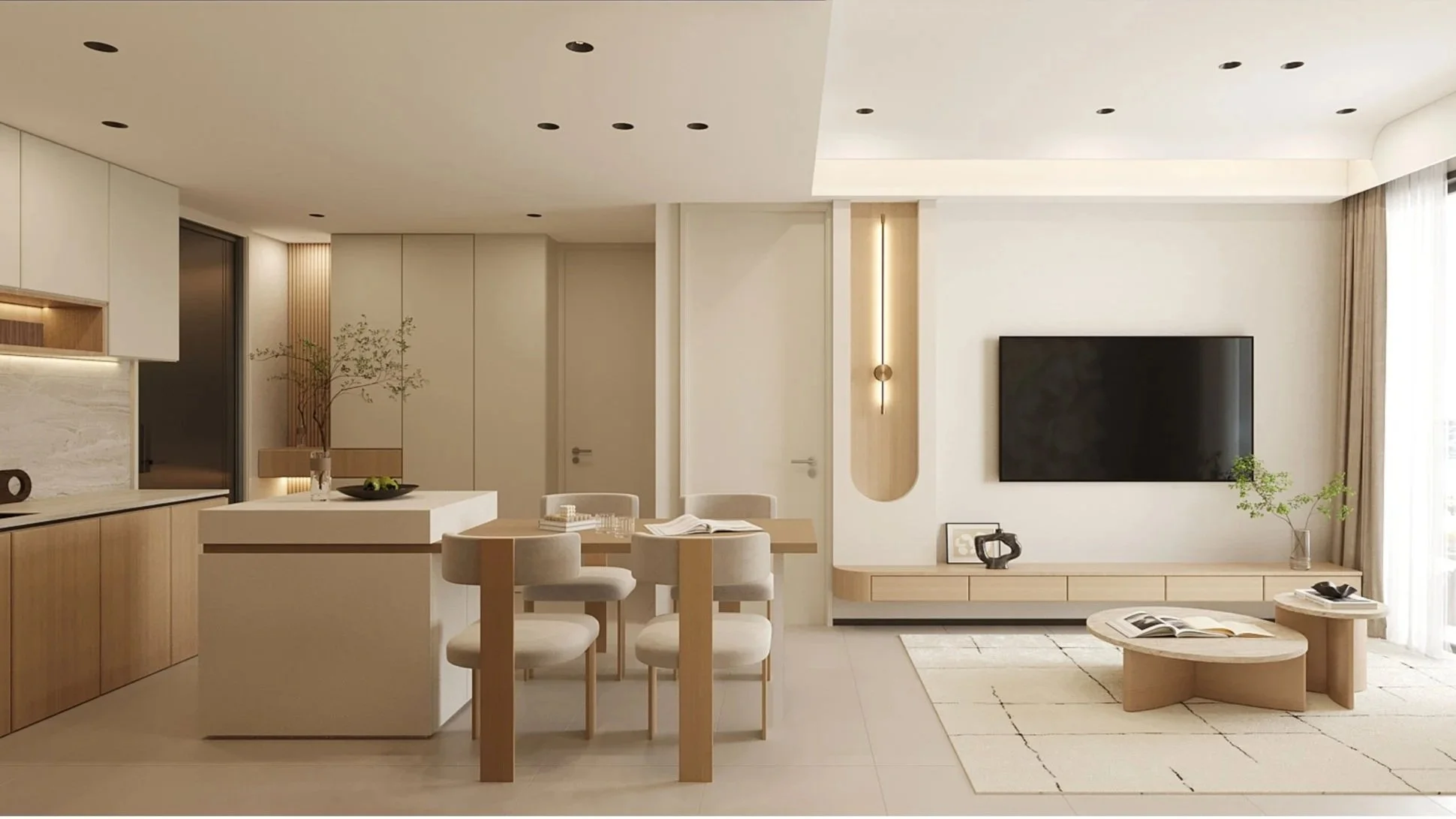
Why Great Hotels Rarely Feel Wasteful
Luxury hospitality provides an interesting lesson in spatial design.
The world's most respected hotels rarely create value through excessive room sizes alone. Instead, they focus on making every square meter contribute to the guest experience.
Furniture is positioned intentionally. Circulation paths are intuitive. Views are carefully framed. Storage is integrated seamlessly into the design. Every element serves a purpose.
The result is efficiency without sacrifice.
Guests rarely think about these decisions consciously, but they feel the difference immediately.
This philosophy can be applied equally to residential design. A well-planned home allows residents to enjoy every part of the property rather than simply owning more of it.
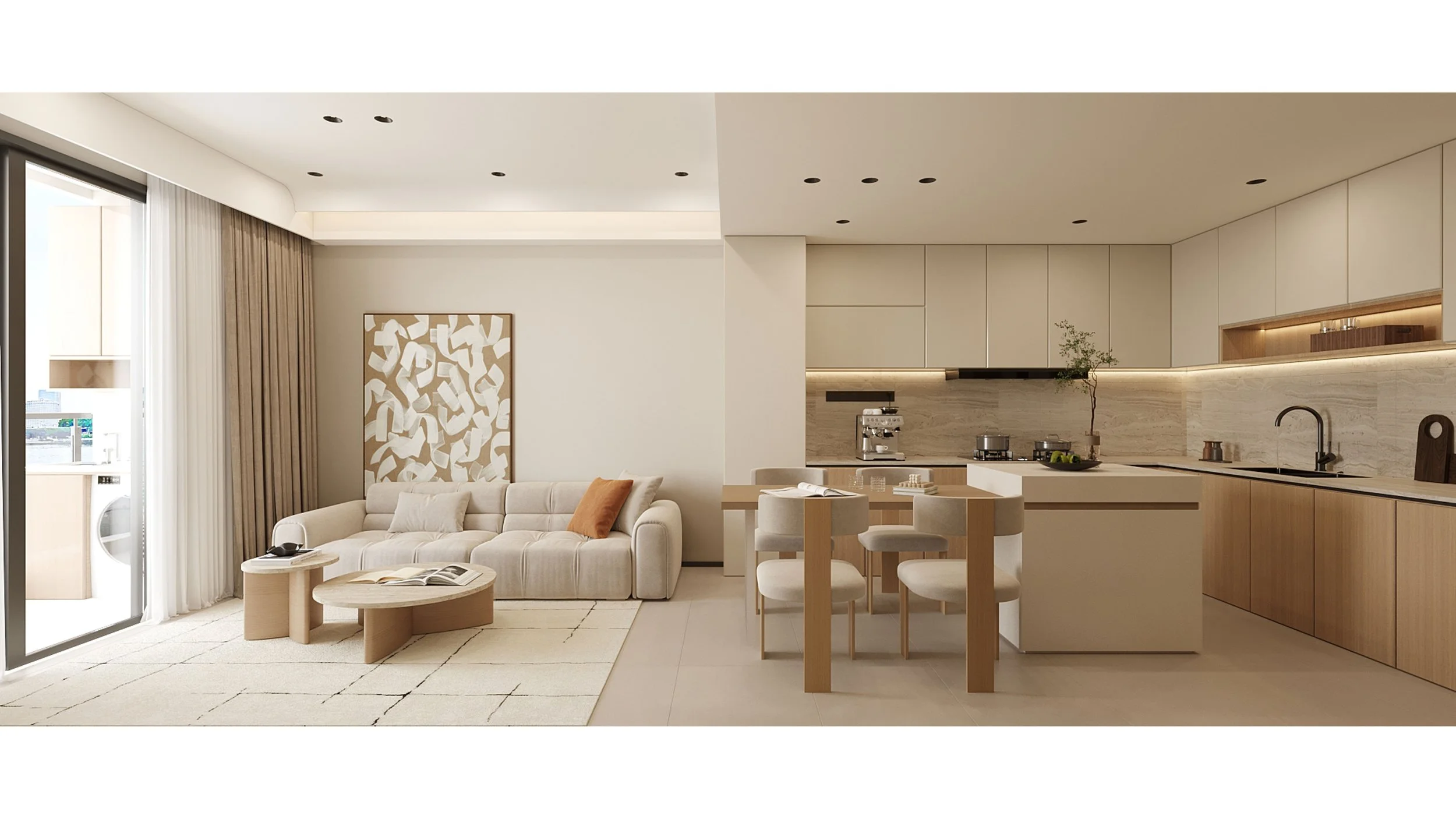
The Importance of Flow
Among the most overlooked characteristics of luxury interiors is flow.
Flow refers to how people move through a residence and how spaces relate to one another.
In exceptional homes, movement feels natural. Public areas transition smoothly into private areas. Living spaces connect logically with dining areas and kitchens. Bedrooms enjoy separation without feeling disconnected.
Poor flow can undermine even the most expensive residence.
A home may feature premium materials and generous floor areas, yet still feel uncomfortable if movement through the space feels awkward or inefficient.
Luxury often reveals itself through ease.
When a residence feels effortless to live in, good design is usually at work.
Why Empty Space Matters
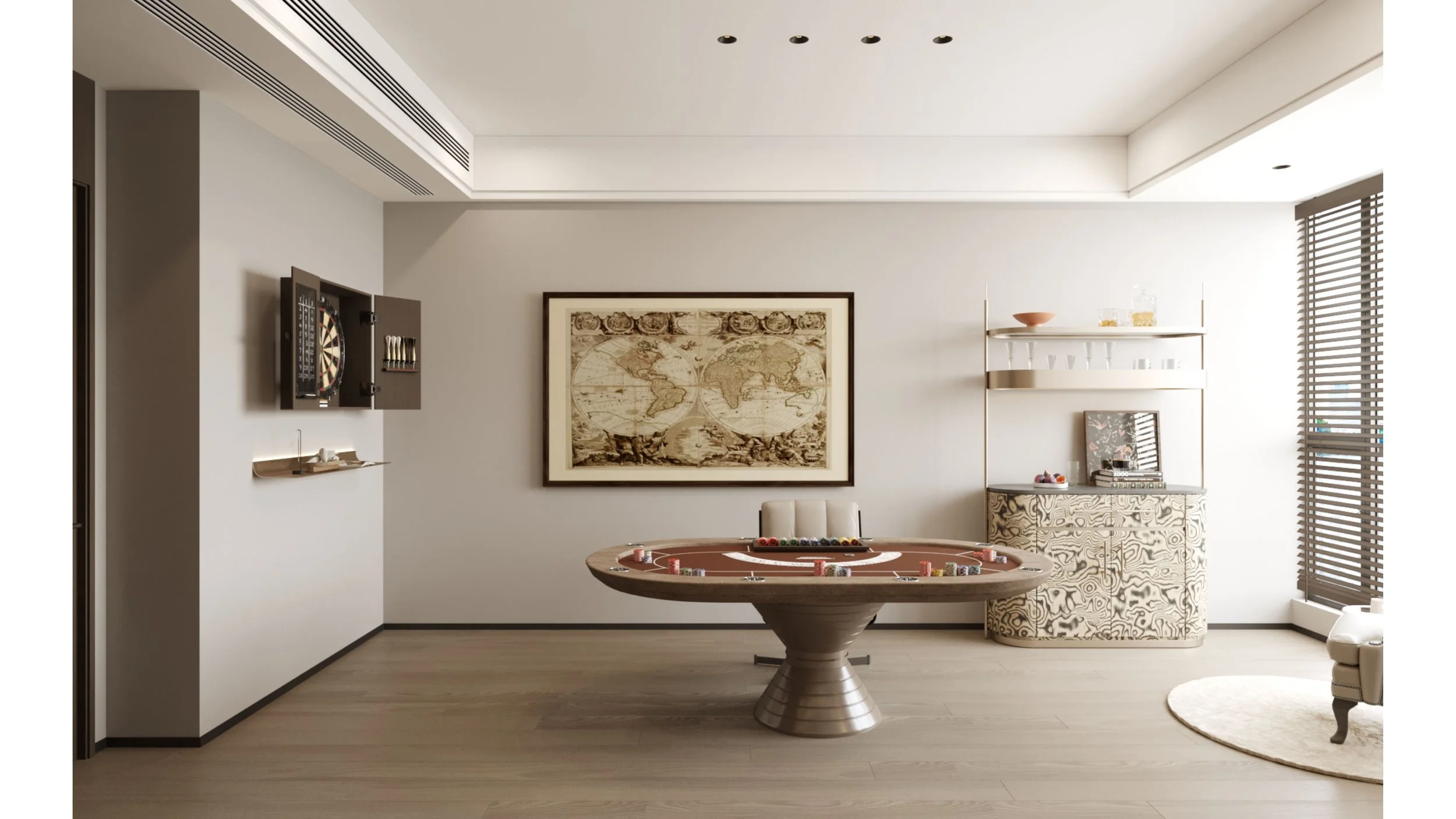
One characteristic shared by many luxury residences is their willingness to leave space unused.
At first glance, this may appear inefficient.
Why not add another piece of furniture? Why not create another room? Why not maximize every available square meter?
The answer is that visual breathing room contributes directly to comfort.
Interior designers frequently speak about negative space—the intentional absence of objects within a composition. This concept applies equally to residential planning.
Rooms that are not overcrowded allow architecture, natural light, views, and materials to take center stage. They create calmness and improve the overall experience of a home.
Luxury is often defined as much by what is omitted as by what is included.
The Shift Toward Quality Over Quantity
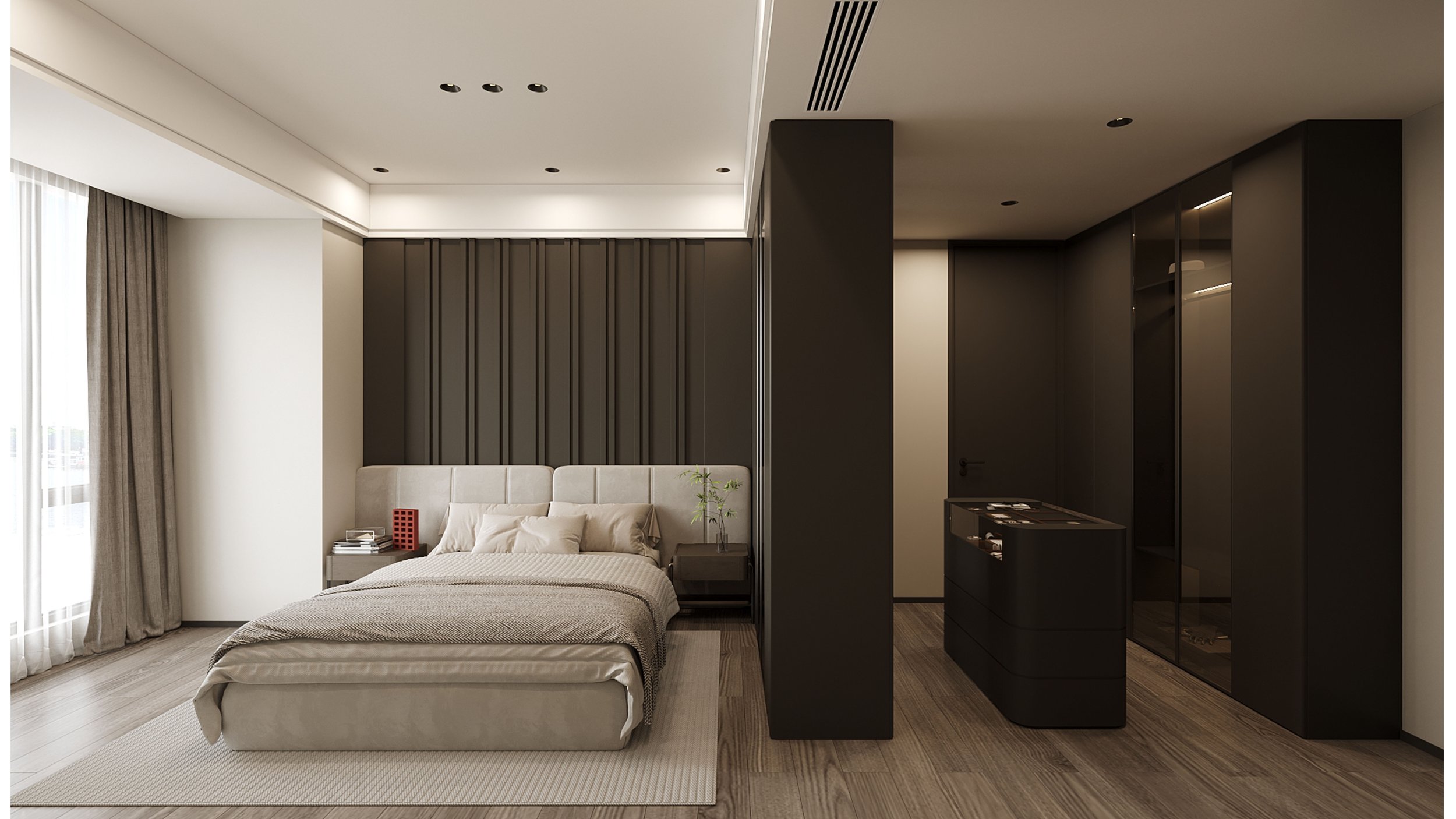
Around the world, luxury residential design has gradually shifted away from excess and toward intentionality.
Many affluent buyers now prioritize qualities such as natural light, privacy, ceiling height, views, craftsmanship, and wellness over sheer size.
This reflects a broader understanding of luxury.
The objective is no longer simply to own the largest residence possible. Instead, it is to own a residence that supports a better quality of life.
As a result, the conversation is increasingly moving from quantity to quality.
How well is the space designed?
How enjoyable is it to live in?
How does it make people feel?
These questions often matter more than the floor area itself.
What Buyers Should Evaluate
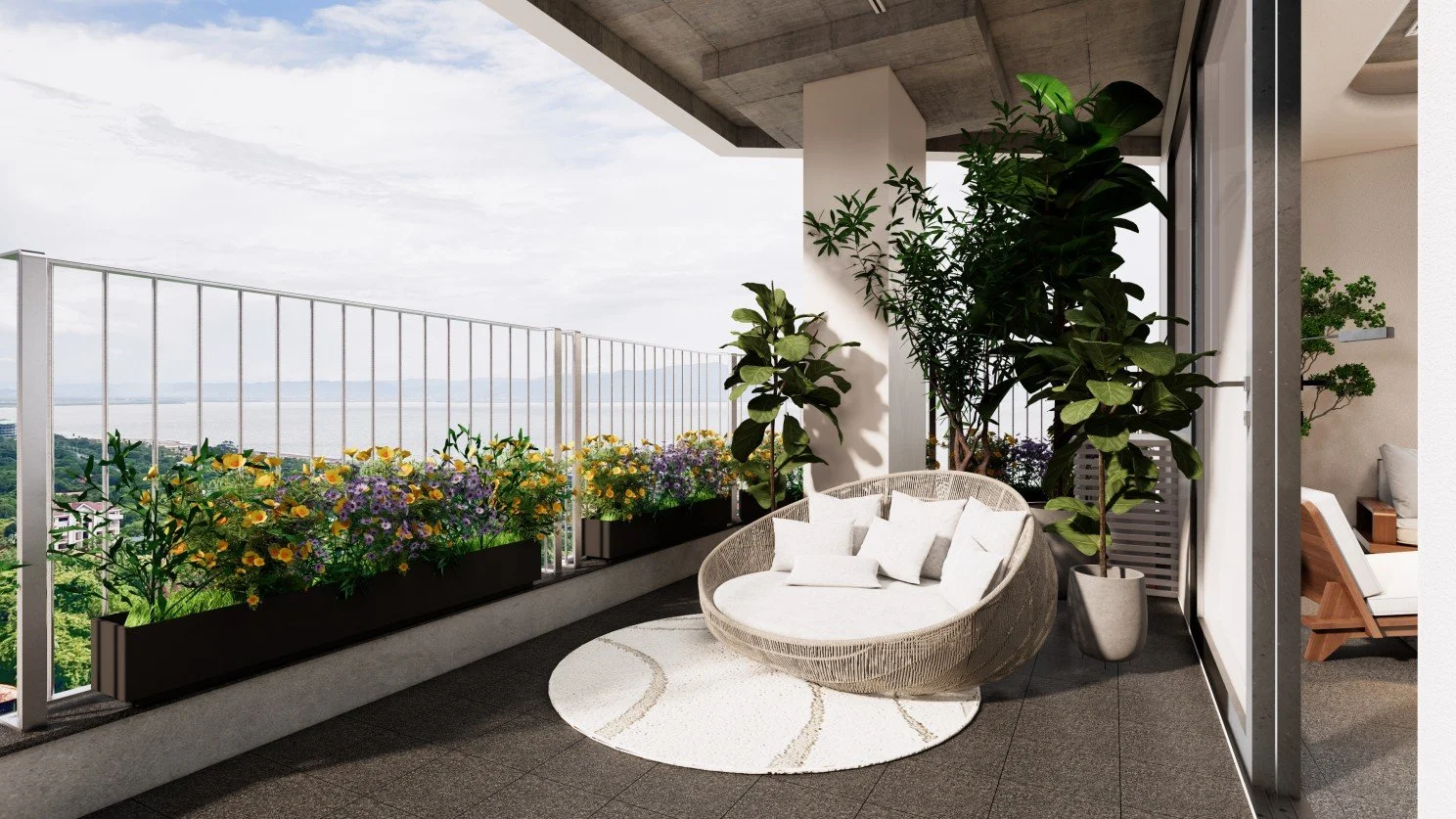
When assessing a luxury residence, buyers should look beyond square meters and consider how effectively the space is organized.
Important questions include:
How much of the residence is genuinely usable?
Does the layout feel intuitive?
Is there excessive corridor space?
Are rooms appropriately sized for their functions?
Does the home feel open without feeling empty?
Does the design encourage comfortable daily living?
These factors frequently have a greater impact on long-term satisfaction than the overall size of the property.
Phnom Penh's Opportunity
As Phnom Penh's luxury residential market matures, the distinction between size and quality will become increasingly important.
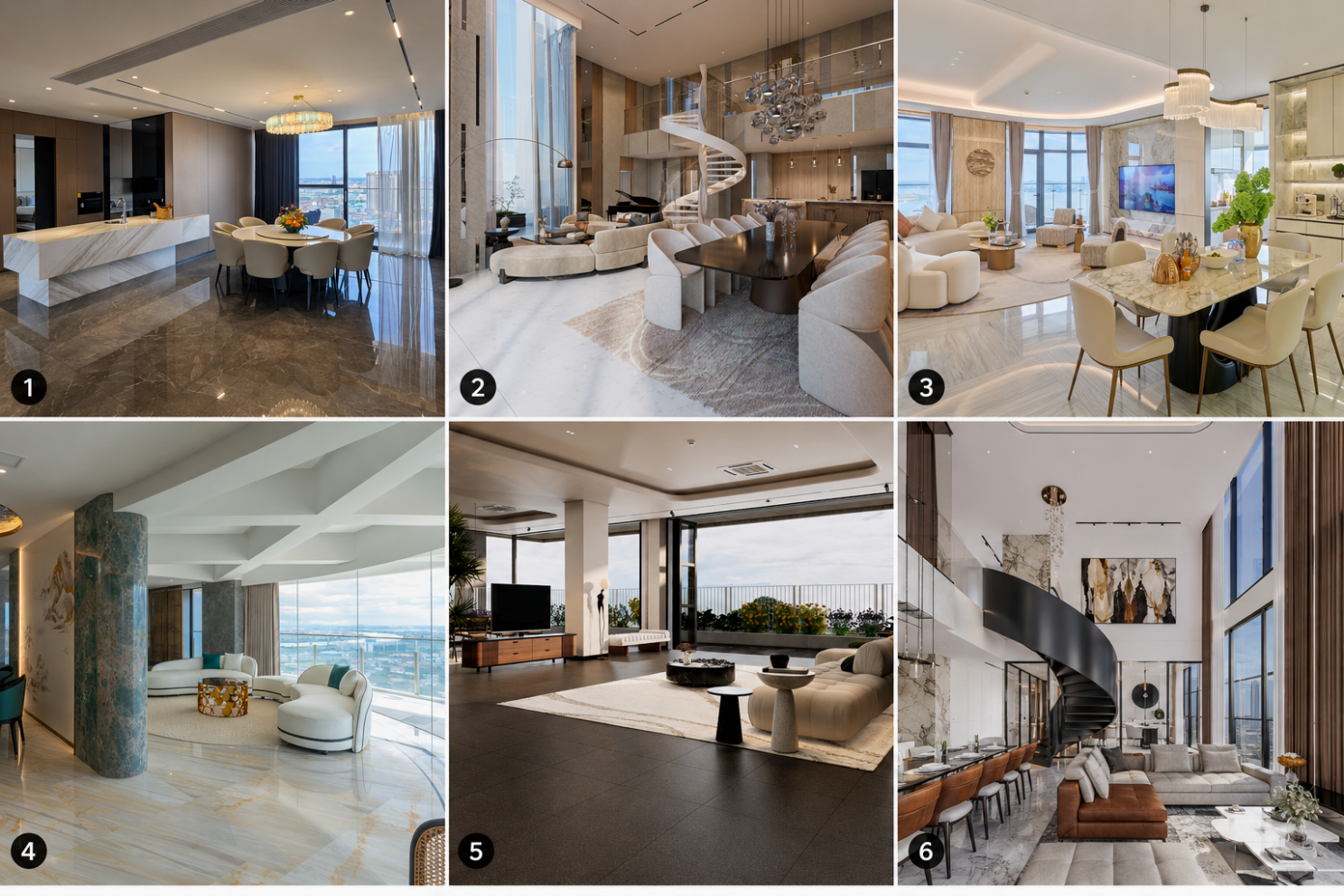
The city is already beginning to offer a wider range of residential typologies, including penthouses, duplex residences, sky villas, and full-floor homes. These formats create opportunities for developers to compete through design quality rather than simply through larger floor areas.
Projects that successfully balance space, flow, privacy, natural light, and proportion are likely to age more gracefully than those that rely solely on size as a selling point.
The future of luxury living may belong not to the largest residences, but to the most thoughtfully designed ones.
My Impression
Luxury is often associated with abundance.
Yet some of the world's most admired residences demonstrate that luxury is not simply about having more. It is about having what matters most.
More space does not automatically create a better home. More rooms do not automatically create a better lifestyle. More square meters do not automatically create more comfort.
The most successful residences understand this distinction. They use space carefully, prioritize quality over quantity, and create environments that feel calm, comfortable, and effortless to live in.
Ultimately, luxury is not measured by how much space a residence contains. It is measured by how well that space is experienced.
About the Author
Hoem Seiha has spent nearly 15 years in Cambodia's real estate industry, specializing in market research, valuation, market intelligence, and big-data analytics. Today, his work increasingly focuses on luxury-residential curation, where architecture, design, lifestyle, and investment intersect.
Hoem Seiha Curator of Luxe Residences | ERA Cambodia
📞 Analog: +855-10-699-553
💬 Telegram: t.me/hoemseiha_era
💬 WhatsApp: wa.me/85510699553