
Glass, Stone, or Steel? Understanding Luxury Façade Design
Why Some Buildings Become Timeless While Others Quickly Fade
When discussing luxury real estate, most conversations revolve around location, views, amenities, or interior finishes. Yet one of the most influential factors shaping how a building is perceived is often overlooked: its façade.
Long before someone enters the lobby, experiences the amenities, or steps inside a residence, the building has already made an impression. Its silhouette, materiality, proportions, and architectural expression begin communicating a message to the city and its residents.
This is why some buildings become admired landmarks while others become little more than background elements within the skyline. The answer often lies not in height or cost, but in the quality of the façade.
As Phnom Penh continues to evolve into a more mature urban environment, understanding façade design becomes increasingly important for developers, investors, homeowners, and anyone interested in architecture.
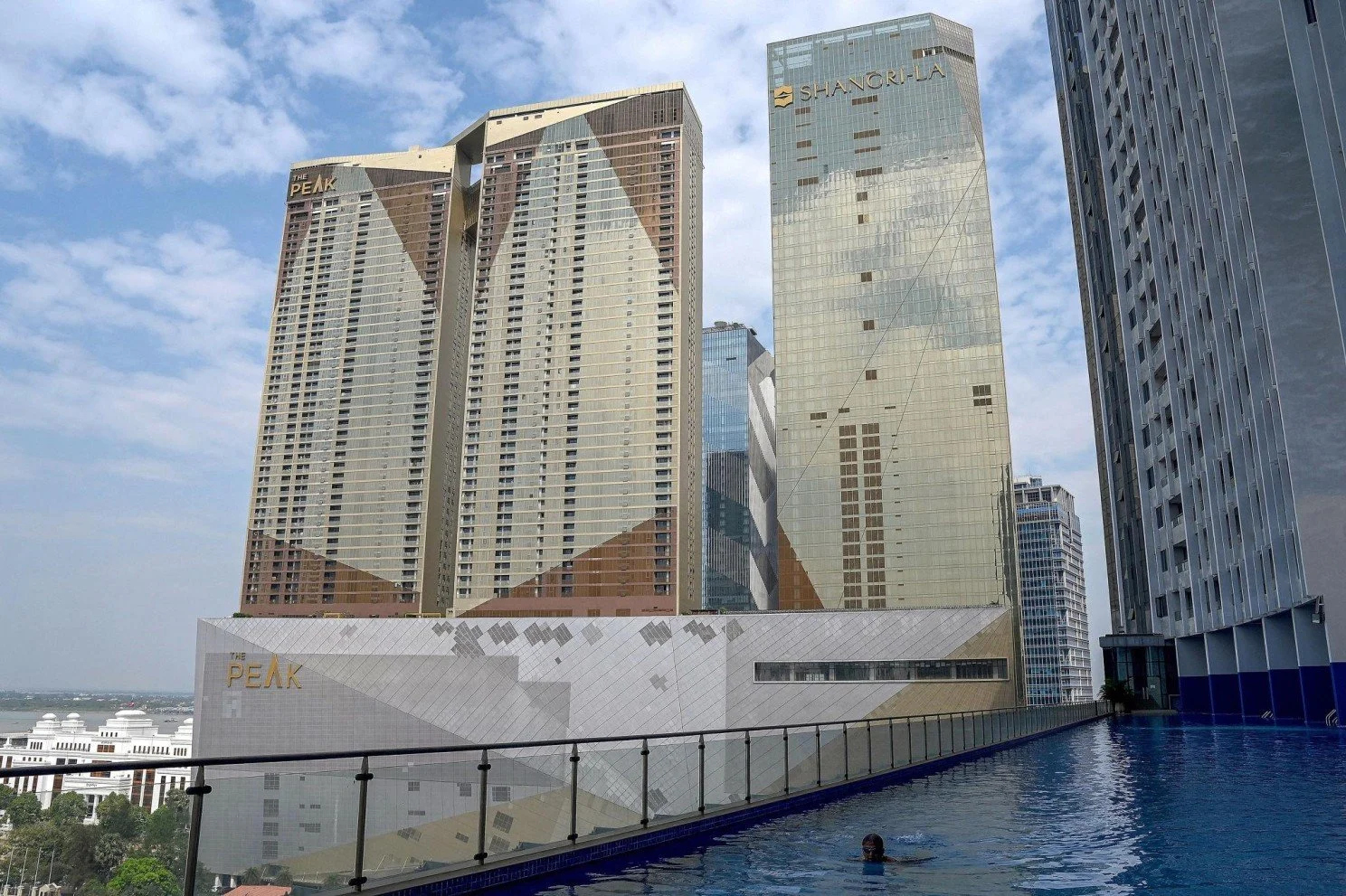
What Is a Façade and Why Does It Matter?
In architectural terms, a façade is the exterior face of a building. However, reducing it to an outer skin would underestimate its importance.
A façade performs several functions simultaneously. It protects the building from weather, regulates sunlight, contributes to energy efficiency, and influences maintenance requirements. More importantly, it serves as the building's public identity.
Just as clothing creates a first impression of a person, the façade creates a first impression of a building.
Luxury architecture is rarely defined by a single design feature. Instead, it emerges through a careful composition of materials, proportions, detailing, and craftsmanship. The façade is where all of these elements become visible.
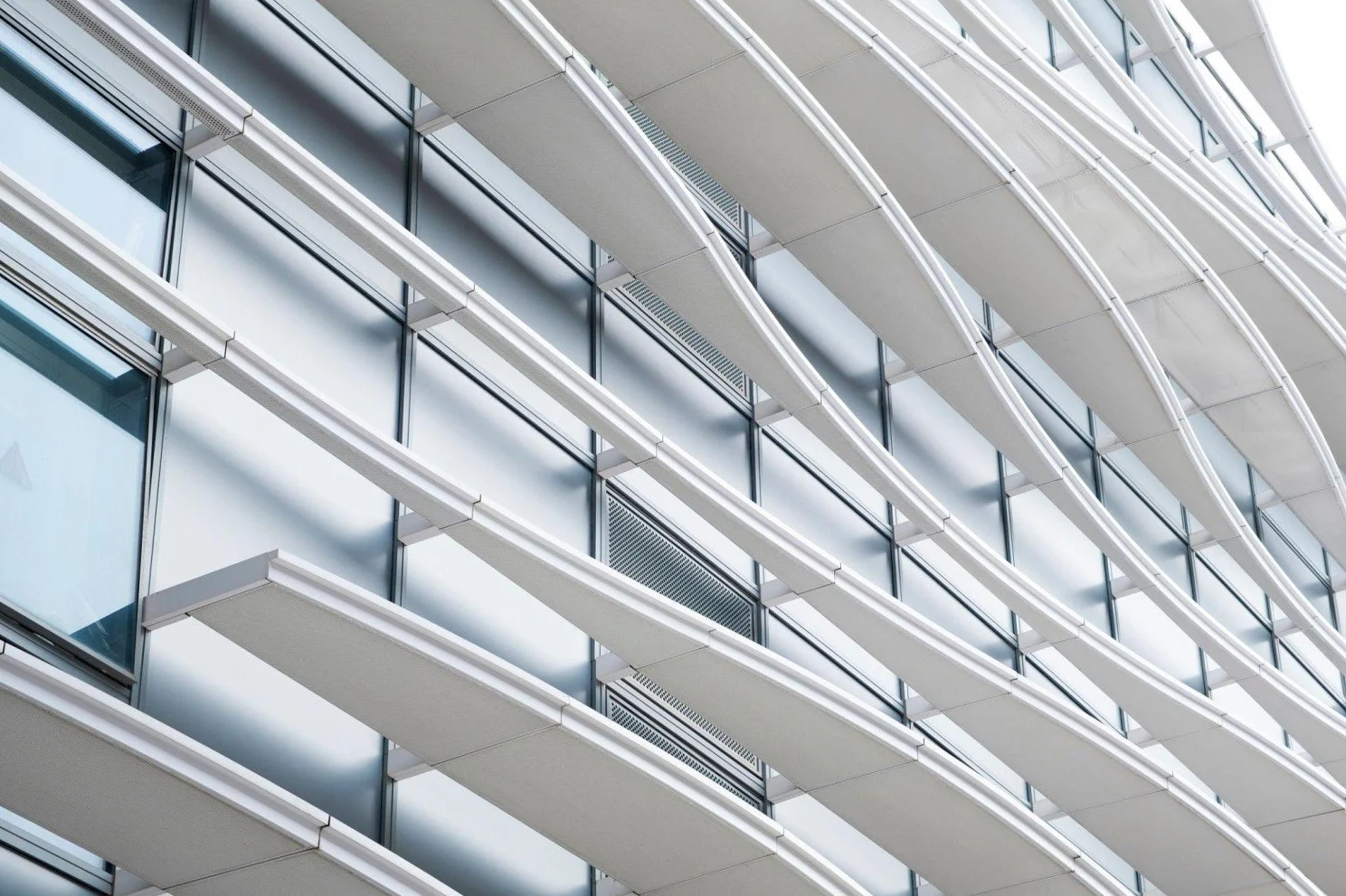
Glass: The Material That Defined Modern Skylines
Few materials have transformed architecture as profoundly as glass.
Advances in engineering have enabled architects to create increasingly transparent buildings, allowing residents to enjoy expansive views and stronger visual connections to their surroundings. This has made glass the dominant material in many contemporary residential towers.
For luxury residences, the appeal is obvious. A river view, city skyline, or park panorama becomes part of the living experience. Large glass panels bring natural light deep into interior spaces and create a sense of openness that many buyers associate with modern luxury.
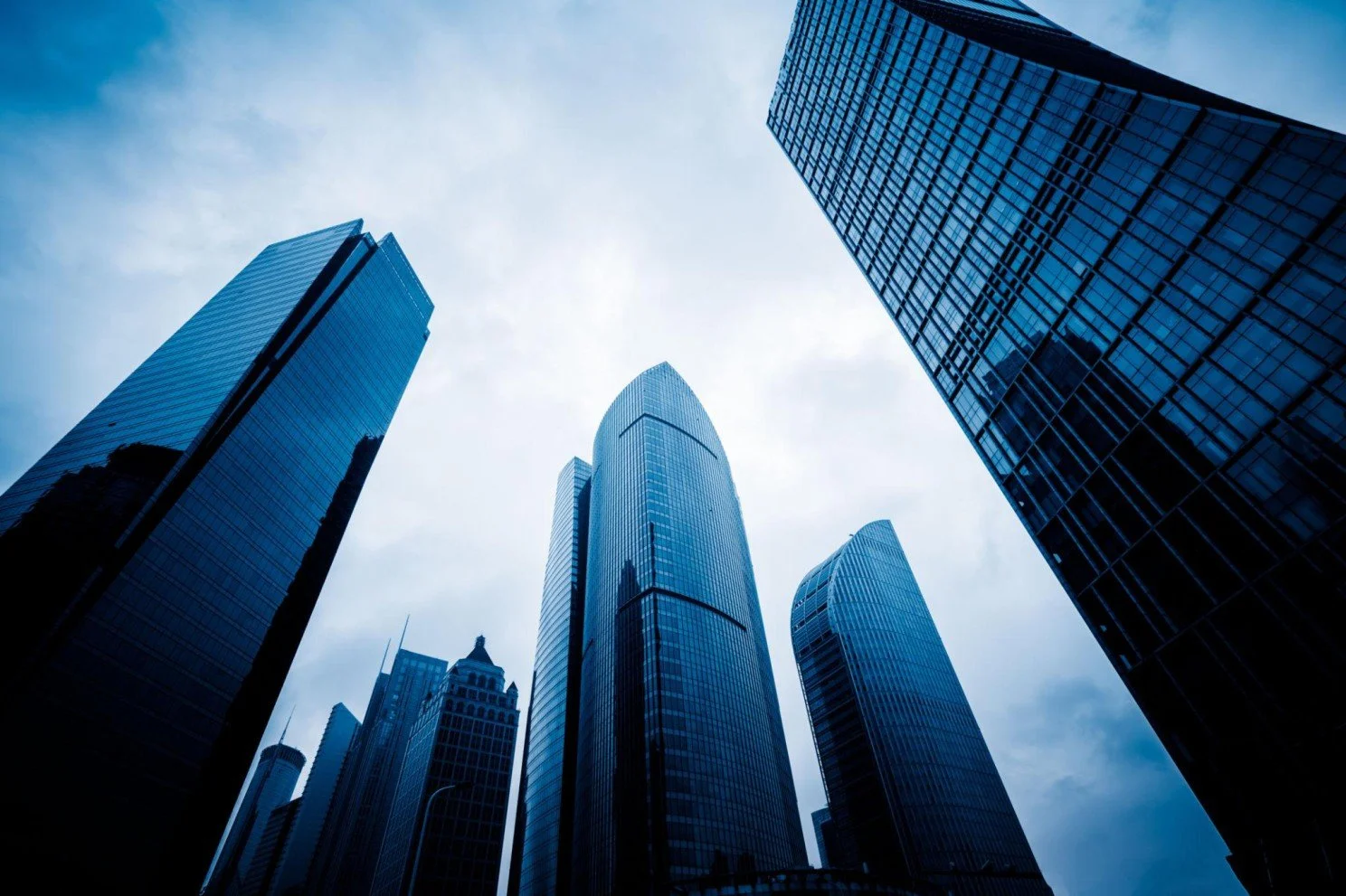
However, glass also presents challenges. When used without sufficient architectural composition, it can become repetitive and generic. Across many global cities, entire districts have been filled with glass towers that are technically impressive but visually forgettable.
The most successful projects use glass thoughtfully, combining transparency with proportion, shading, and complementary materials that provide character and identity.
Example
Think of many contemporary luxury towers in Singapore, Hong Kong, or Dubai. While glass remains a dominant material, the most memorable buildings rarely rely on glass alone.
Stone: The Language of Permanence
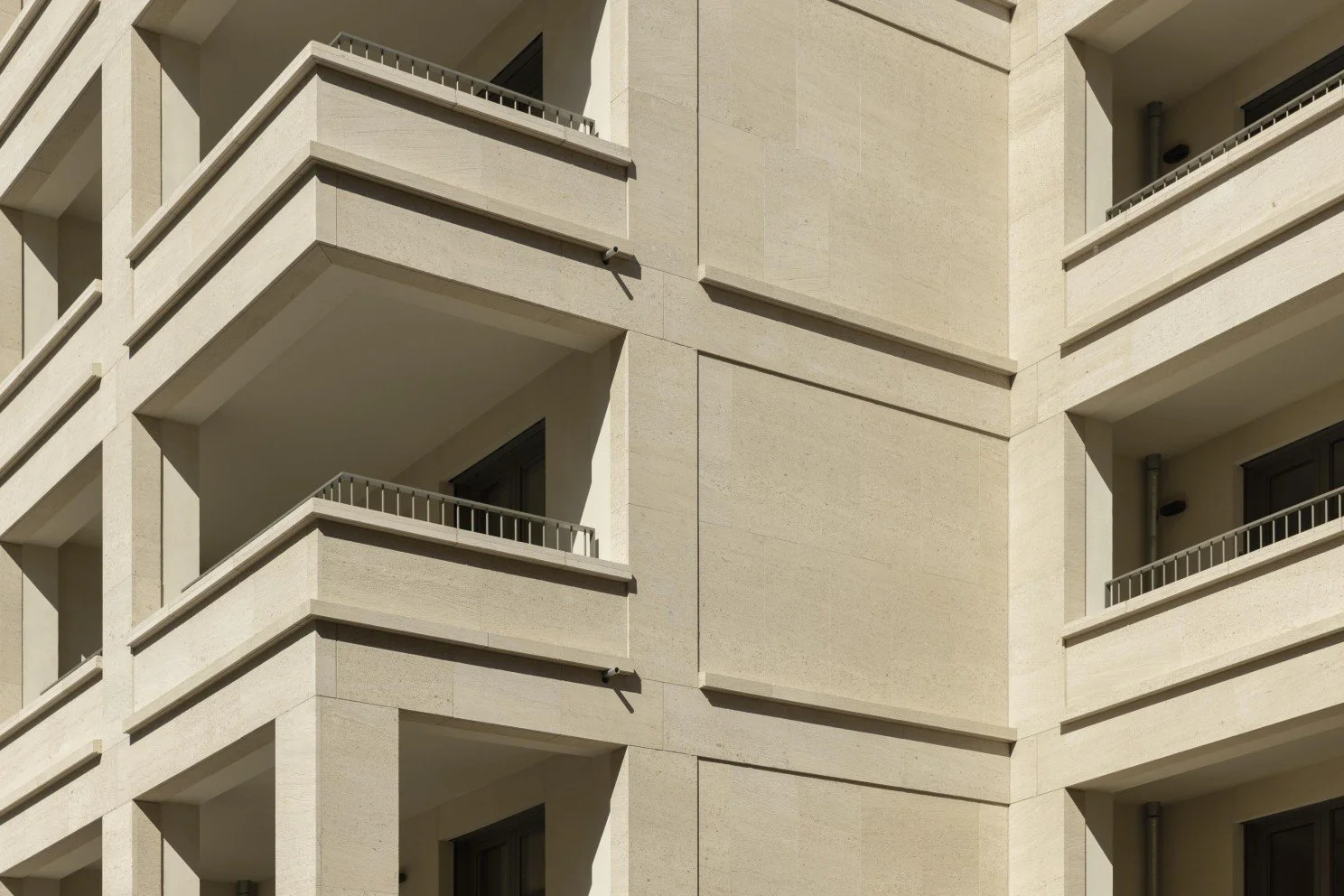
If glass represents modernity, stone represents permanence.
For thousands of years, civilizations have used stone to express prestige, durability, and significance. Historic monuments, government institutions, luxury hotels, and grand residences all share a common relationship with this material.
Stone creates a sense of weight and permanence that few other materials can replicate. It ages gracefully, develops character over time, and often remains visually appealing long after contemporary trends have faded.
This explains why luxury developments frequently incorporate natural stone into key architectural elements such as podiums, entrance areas, columns, and feature walls.
The effect is often psychological. Buyers may not consciously identify the material, but they recognize the sense of quality and permanence it conveys.
Example
Many of the world's most prestigious hospitality brands continue to use limestone, granite, marble, and travertine as part of their architectural language.
Steel and Metal: Precision, Detail, and Contemporary Elegance
While glass provides openness and stone provides permanence, steel and architectural metals provide precision.
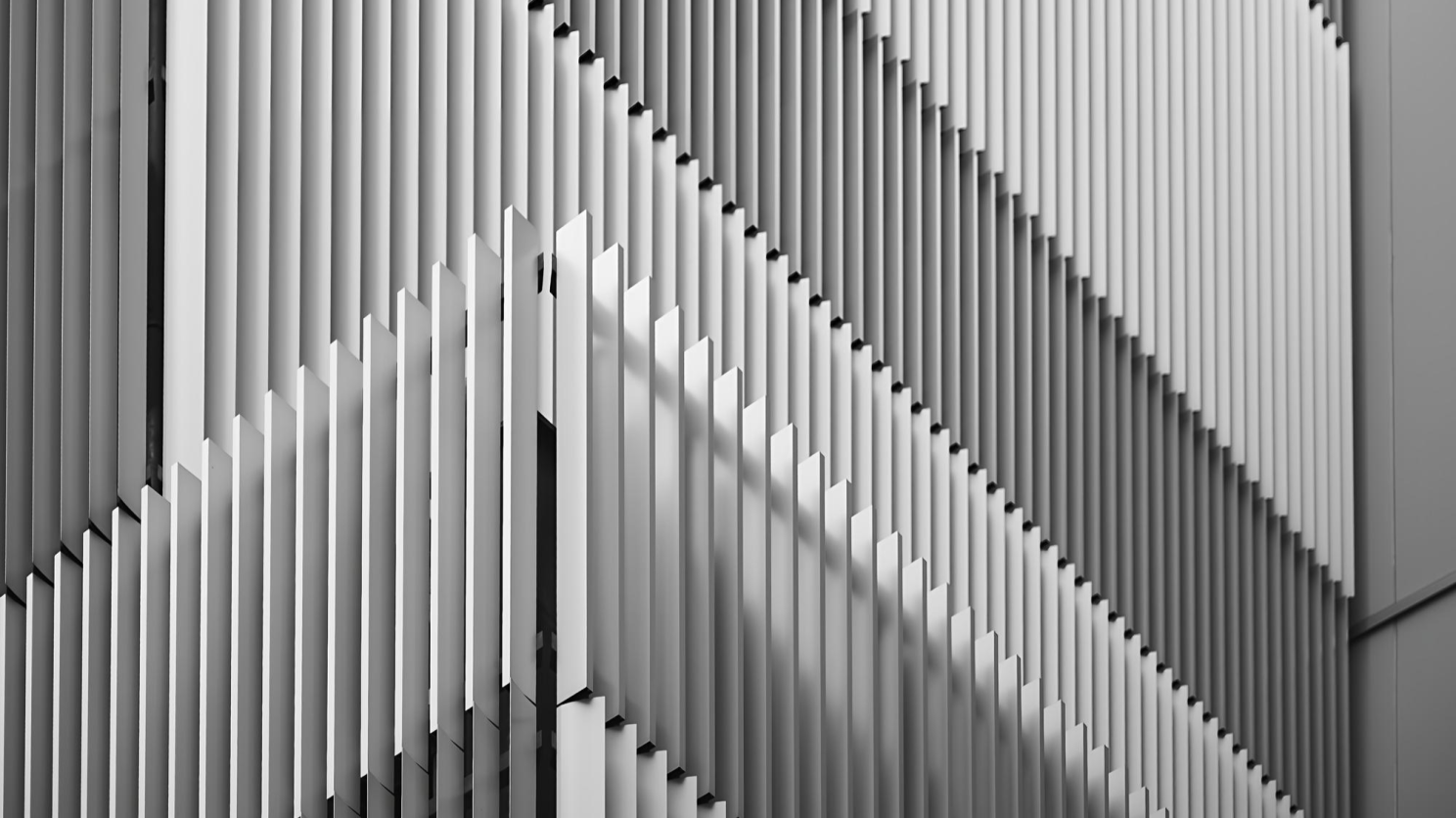
Modern luxury architecture increasingly relies on metal fins, screens, louvers, and decorative elements to create depth and visual rhythm. These details help transform a flat building envelope into a more sophisticated architectural composition.
Metal also allows architects to respond to climate. In tropical environments such as Cambodia, carefully designed metal screens can reduce heat gain while adding texture and character to the façade.
Perhaps most importantly, metal creates refinement. Much like tailored details elevate a fine suit, architectural metalwork elevates a building's appearance.
Example
Many contemporary luxury towers use champagne bronze, anodized aluminum, or custom metal finishes to create subtle distinctions that separate premium buildings from ordinary ones.
Why the Best Buildings Combine Materials
The most successful luxury buildings rarely depend on a single material.
Instead, they create a dialogue between multiple materials, each contributing a different quality.
Glass offers transparency and views. Stone offers permanence and texture. Metal offers precision and refinement.
When these materials are combined thoughtfully, they create layers of visual interest that can be appreciated from both near and far.
This is one reason why some buildings remain engaging over time. They reveal different qualities depending on the viewing distance, lighting conditions, and time of day.
Example
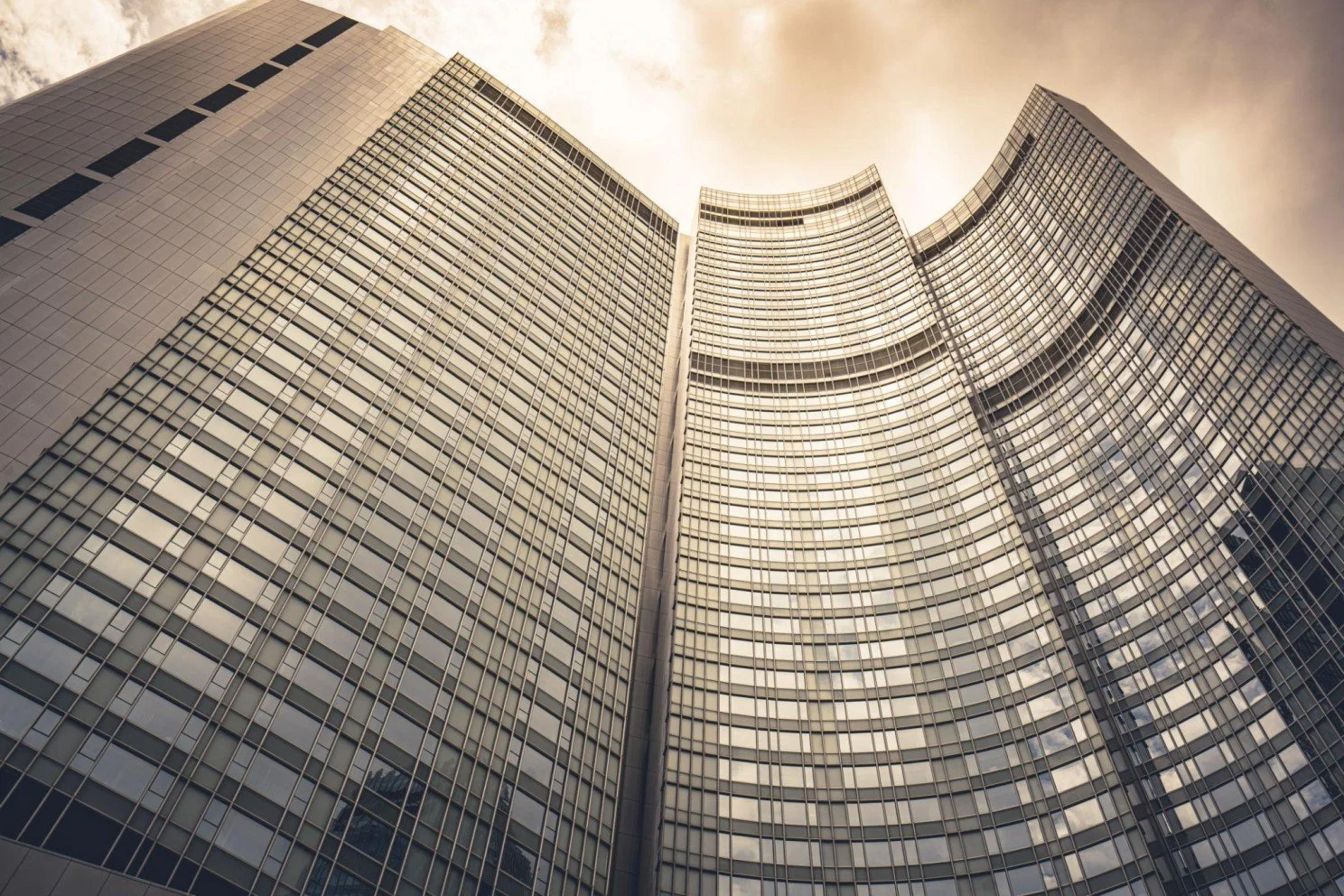
A luxury tower featuring a clear combination of glass, stone, and metal.
The Ultimate Test: How a Façade Ages
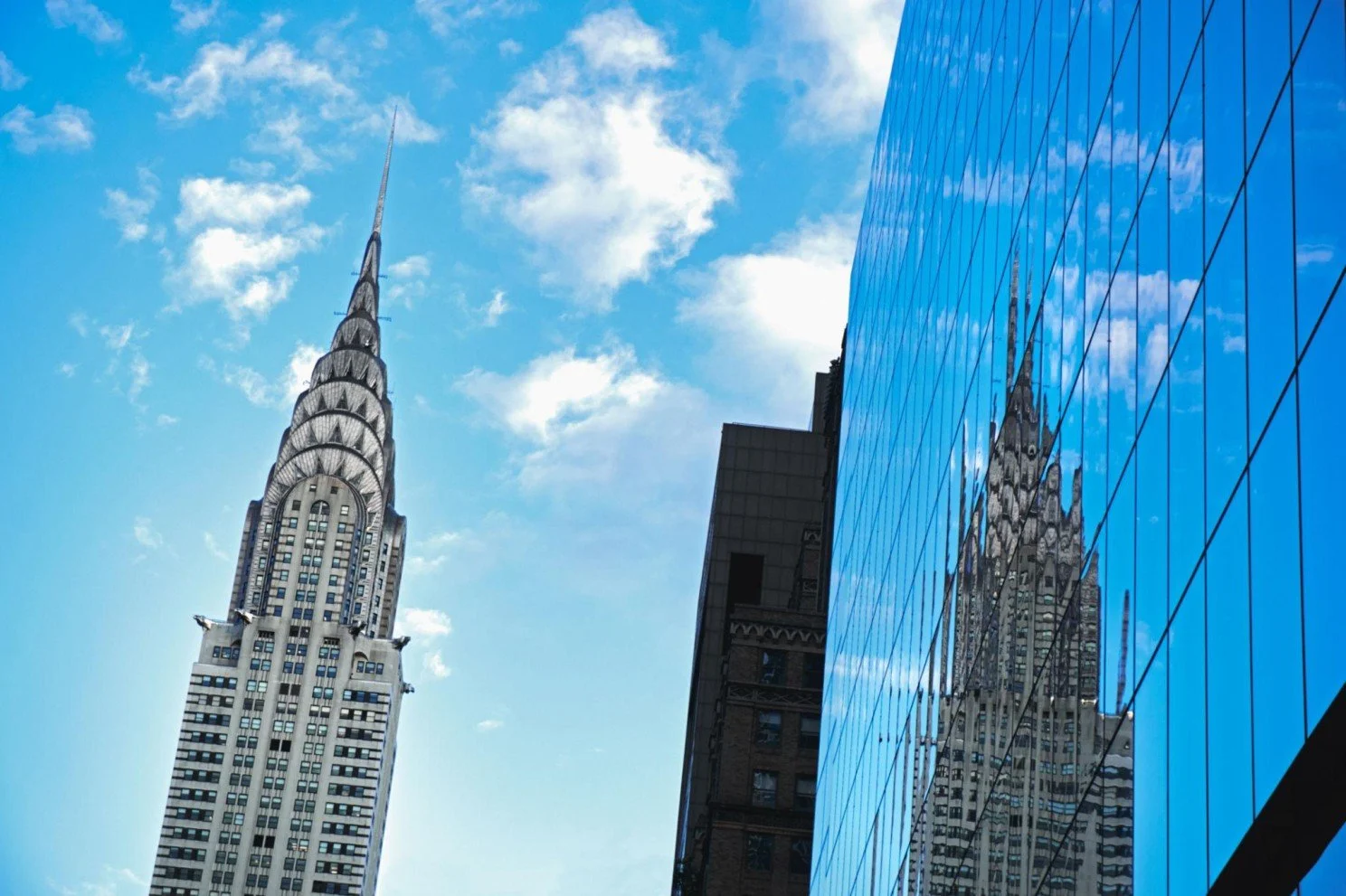
Perhaps the most important question in luxury architecture is not how a building looks today, but how it will look twenty years from now.
Many buildings appear impressive when they are newly completed. Fewer retain their elegance after years of exposure to weather, changing design trends, and evolving market expectations.
The façades that age most successfully tend to share several characteristics:
Strong proportions
Quality materials
Thoughtful detailing
Timeless composition
Climatic responsiveness
These principles are often more important than visual complexity.
Architecture that ages well rarely seeks attention. Instead, it relies on enduring design fundamentals.
Example
Phnom Penh's Next Architectural Challenge
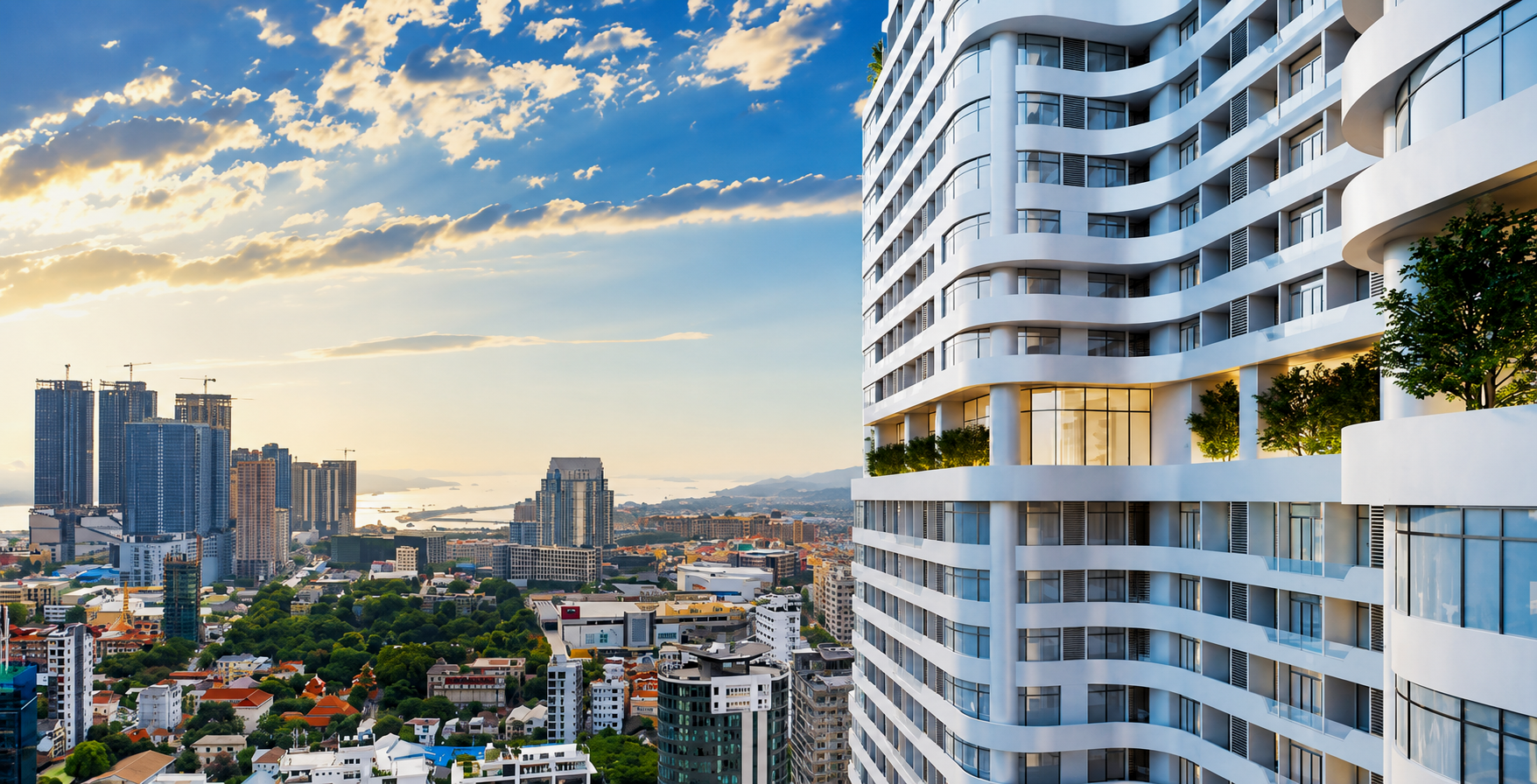
As Phnom Penh's skyline continues to mature, façade design will play an increasingly important role in shaping the city's architectural identity.
The next generation of landmark towers will not be defined solely by height. They will be defined by their ability to create a lasting impression through thoughtful design and materiality.
Projects that successfully balance aesthetics, performance, and longevity will contribute meaningfully to the city's future skyline. Those that rely solely on scale or novelty may struggle to maintain relevance over time.
This shift represents an encouraging sign of architectural maturity.
The conversation is gradually moving beyond how tall a building is and toward what the building contributes to the city.
Final Thoughts
After nearly fifteen years working across market research, valuation, market intelligence, data analytics, and more recently luxury-residential curation, I have become increasingly interested in how architecture influences perception.
A façade is far more than a building envelope. It is architecture's first conversation with the city. It shapes identity, influences value, and often determines how a building will be remembered.
Luxury architecture is not simply about what happens inside a building. More often than not, the story begins with the surface.
About the Author
Hoem Seiha has spent nearly 15 years in Cambodia's real estate industry, specializing in market research, valuation, market intelligence, and big-data analytics. Today, his work increasingly focuses on luxury-residential curation, where architecture, design, lifestyle, and investment intersect.
Hoem Seiha, Curator of Luxe Residences | ERA Cambodia
📞 +855 10 699 553
📲 Telegram: t.me/hoemseiha_era