
Why Some Interiors Feel Luxurious — Even When They're Not Expensive
The Difference Between Expensive Design and Luxury Design
When people think about luxury interiors, they often imagine Italian marble, crystal chandeliers, designer furniture, and finishes that cost thousands of dollars per square meter. While these elements can certainly contribute to a premium environment, they do not automatically create a luxurious living experience.
In fact, some of the most expensive homes can feel surprisingly uncomfortable, while some relatively modest residences can feel remarkably refined.
This raises an interesting question:
Why do certain interiors feel luxurious even when they are not particularly expensive?
After nearly fifteen years working across market research, real estate valuation, market intelligence, and more recently luxury-residential curation, I have observed that luxury is often less about what is purchased and more about how a space is designed. The most successful interiors understand human experience. They prioritize comfort, proportion, natural light, privacy, and emotional well-being before decorative elements.
Luxury, in other words, is often a feeling rather than a price tag.
Space Is the First Luxury
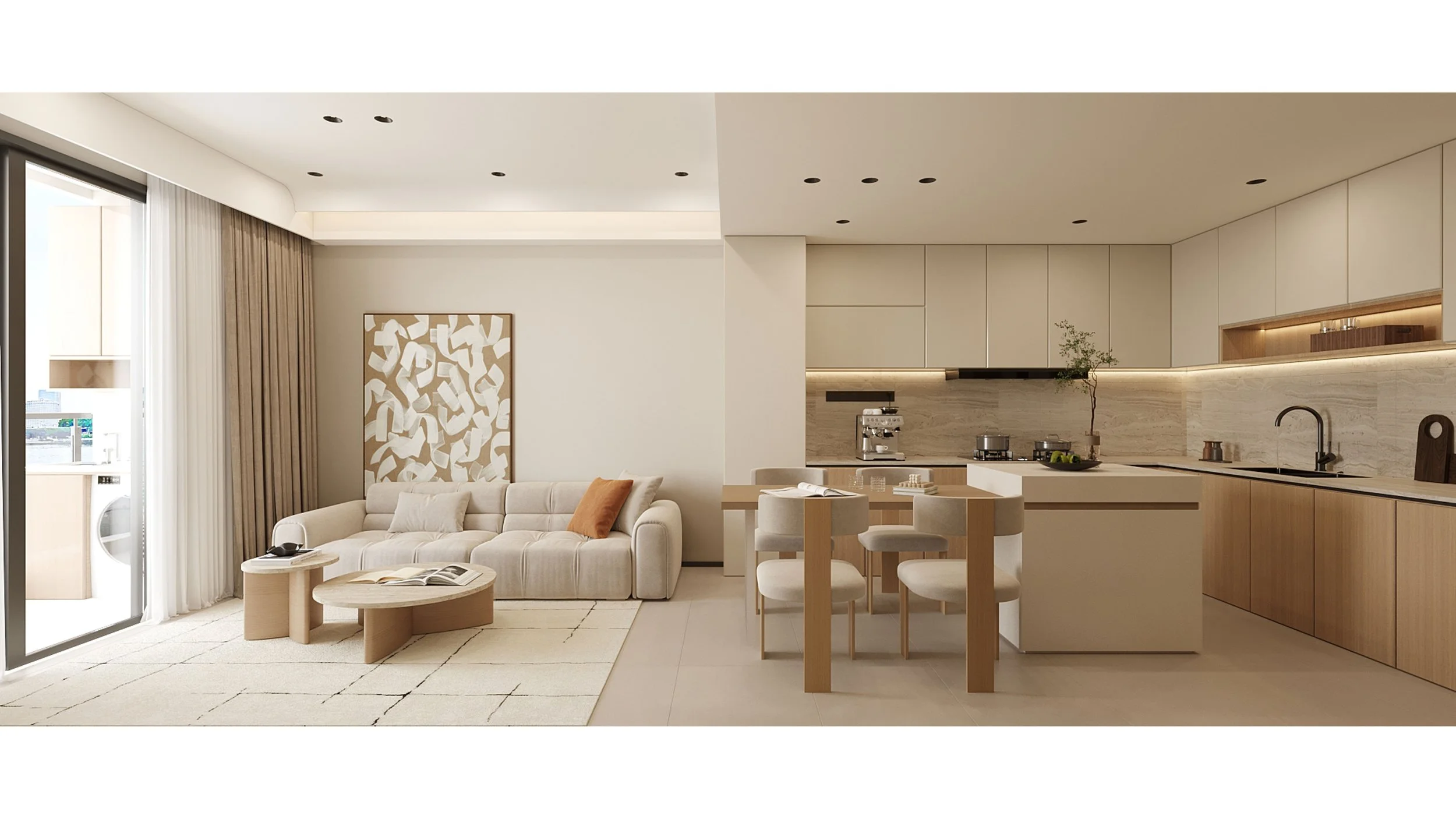
Throughout history, one characteristic has consistently distinguished luxury residences from ordinary homes: space.
This does not necessarily mean larger floor areas. Rather, it refers to the feeling of spaciousness. A well-designed residence allows people to move comfortably, avoids unnecessary clutter, and creates visual breathing room between functions.
Many contemporary homes attempt to maximize usable area by filling every corner with furniture or dividing rooms into multiple functions. While efficient on paper, these layouts can feel restrictive in daily life.
By contrast, luxury interiors often embrace restraint. Furniture is carefully selected, circulation is generous, and rooms are allowed to breathe. The result is a sense of calm that residents may not consciously identify, but immediately appreciate.
This is one reason why a thoughtfully designed 150-square-meter residence can often feel more luxurious than a poorly planned 300-square-meter home.
Natural Light Changes Everything
One of the most powerful design tools costs nothing.
Natural light.
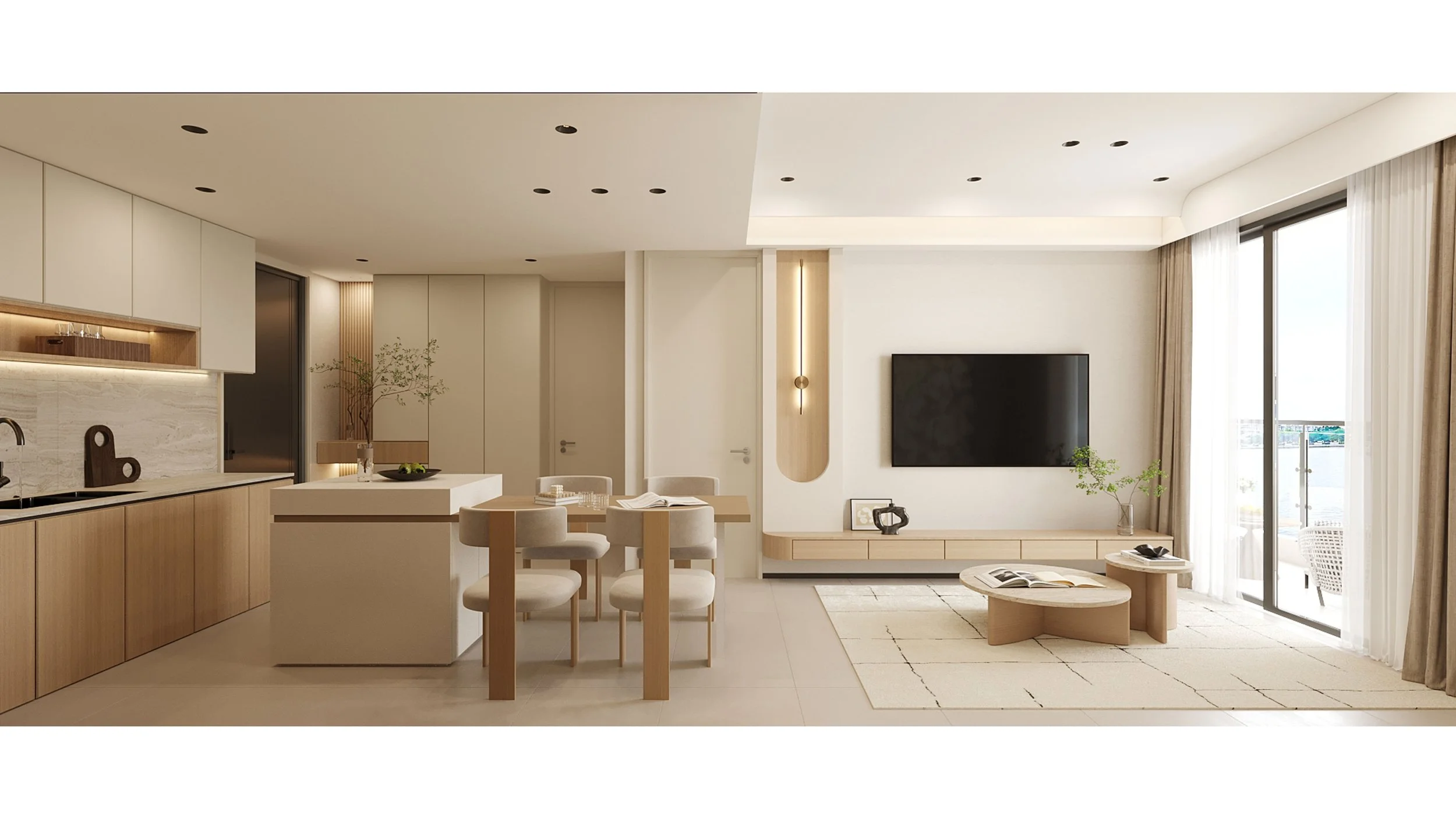
Luxury hotels, private villas, and high-end residences around the world consistently prioritize daylight because it transforms how people perceive space. Rooms feel larger, materials appear richer, and occupants experience a stronger connection to the outside environment.
Natural light also influences emotional well-being. Numerous studies have linked daylight exposure to improved mood, productivity, and overall comfort.
This helps explain why residences with large windows, corner exposures, and thoughtful orientation often command premium values. Buyers are not simply purchasing square meters; they are purchasing a better living experience.
The quality of light entering a room frequently matters more than the cost of the materials inside it.
Proportion Creates Comfort
Many people notice beautiful interiors without fully understanding why they feel appealing.
The answer often lies in proportion.
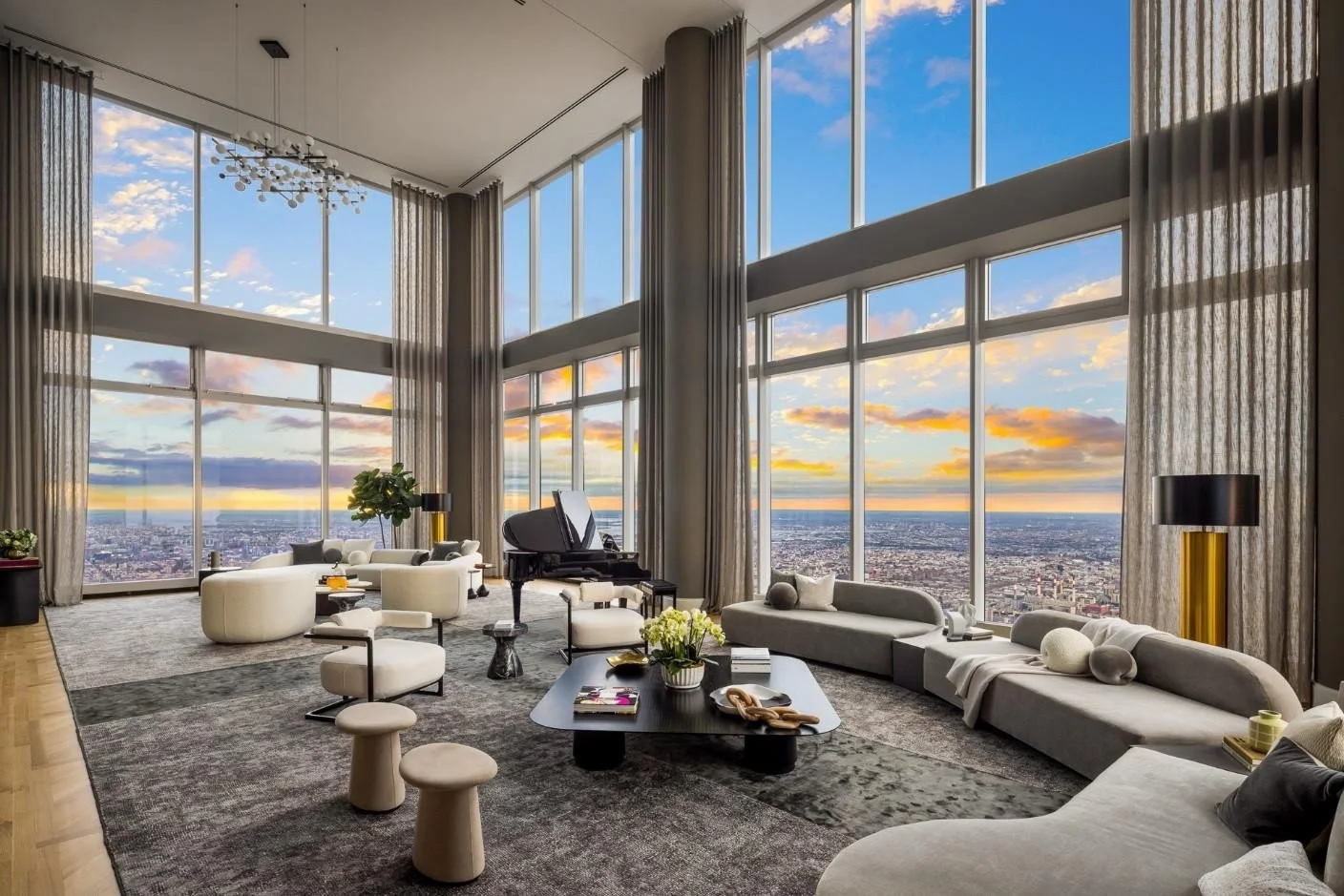
Luxury spaces tend to exhibit balance between ceiling height, room dimensions, furniture scale, and visual composition. Nothing feels compressed, oversized, or awkwardly positioned.
This principle can be observed in many of the world's most admired hotels and residences. The rooms are not necessarily extravagant, but they feel harmonious. Human beings naturally respond positively to spaces where proportions are carefully considered.
This is also why ceiling height plays such an important role in luxury living. A residence with a generous ceiling often feels dramatically different from one with identical floor area but lower vertical volume.
Luxury is experienced in three dimensions, not two.
The Quiet Luxury of Simplicity
Over the past decade, a significant shift has occurred in luxury design.
The market has gradually moved away from overt displays of wealth toward a more understated approach often described as "quiet luxury."
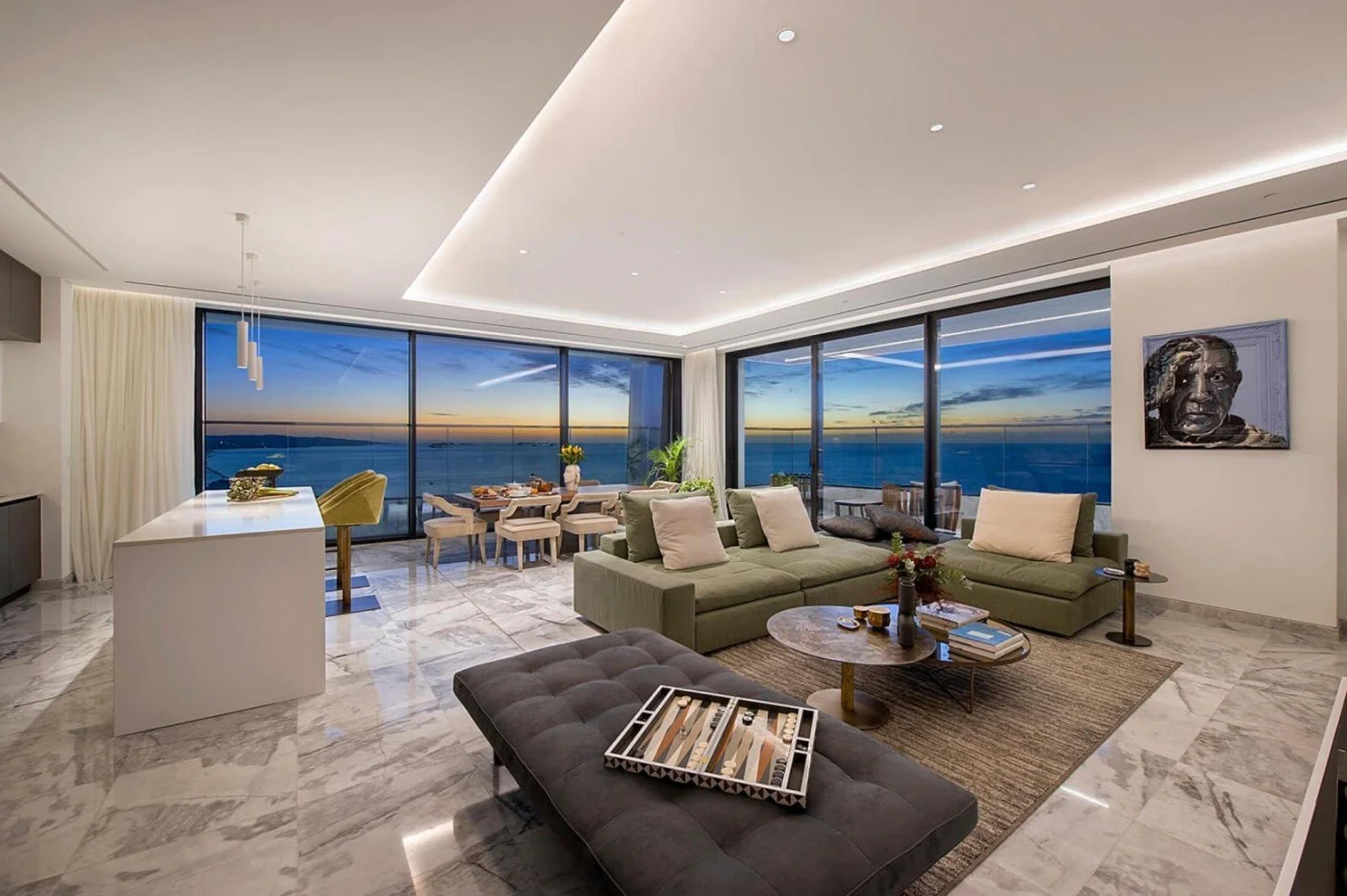
Rather than emphasizing decorative excess, contemporary luxury interiors increasingly focus on simplicity, craftsmanship, and authenticity. Natural materials, soft textures, warm lighting, and restrained color palettes have replaced many of the highly ornamental designs that once dominated luxury projects.
This trend can be observed in many of the world's leading hospitality brands, including Aman, Rosewood, and Four Seasons. Their interiors rarely feel flashy, yet they consistently feel luxurious.
The lesson is simple: sophistication often comes from confidence, not complexity.
Luxury Is Also About Privacy
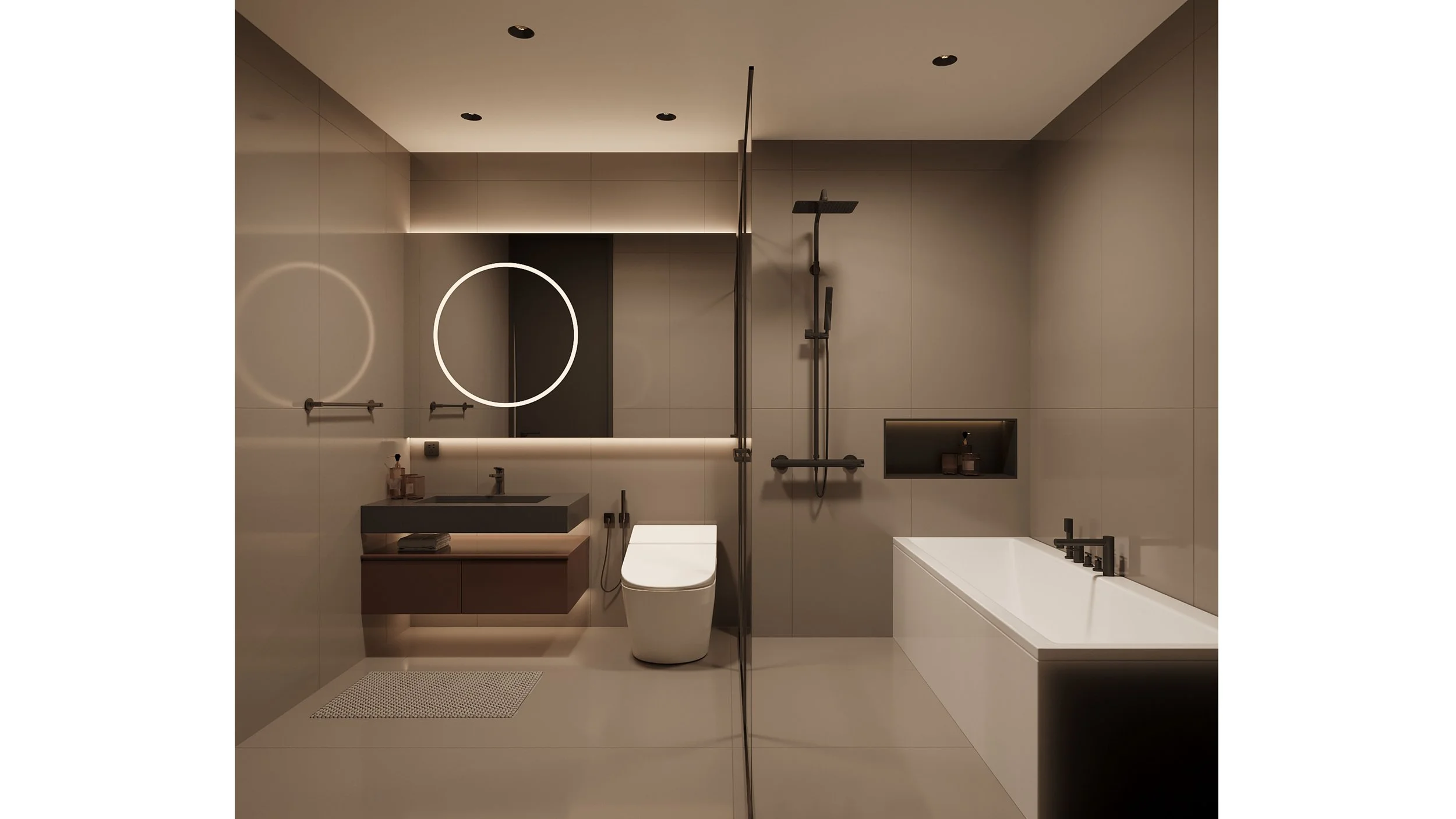
One aspect of luxury that is frequently overlooked is privacy.
A residence can feature premium materials and expensive furnishings, but if it lacks privacy, it may never feel truly luxurious.
Privacy manifests in many ways. It can mean separation between public and private areas within a home. It can mean minimizing direct views from neighboring units. It can also mean creating spaces where residents can relax without feeling exposed.
The world's most desirable residences often prioritize privacy as carefully as they prioritize aesthetics. This is particularly evident in penthouses, sky villas, and full-floor residences, where exclusivity and personal space become central parts of the living experience.
View and Connection
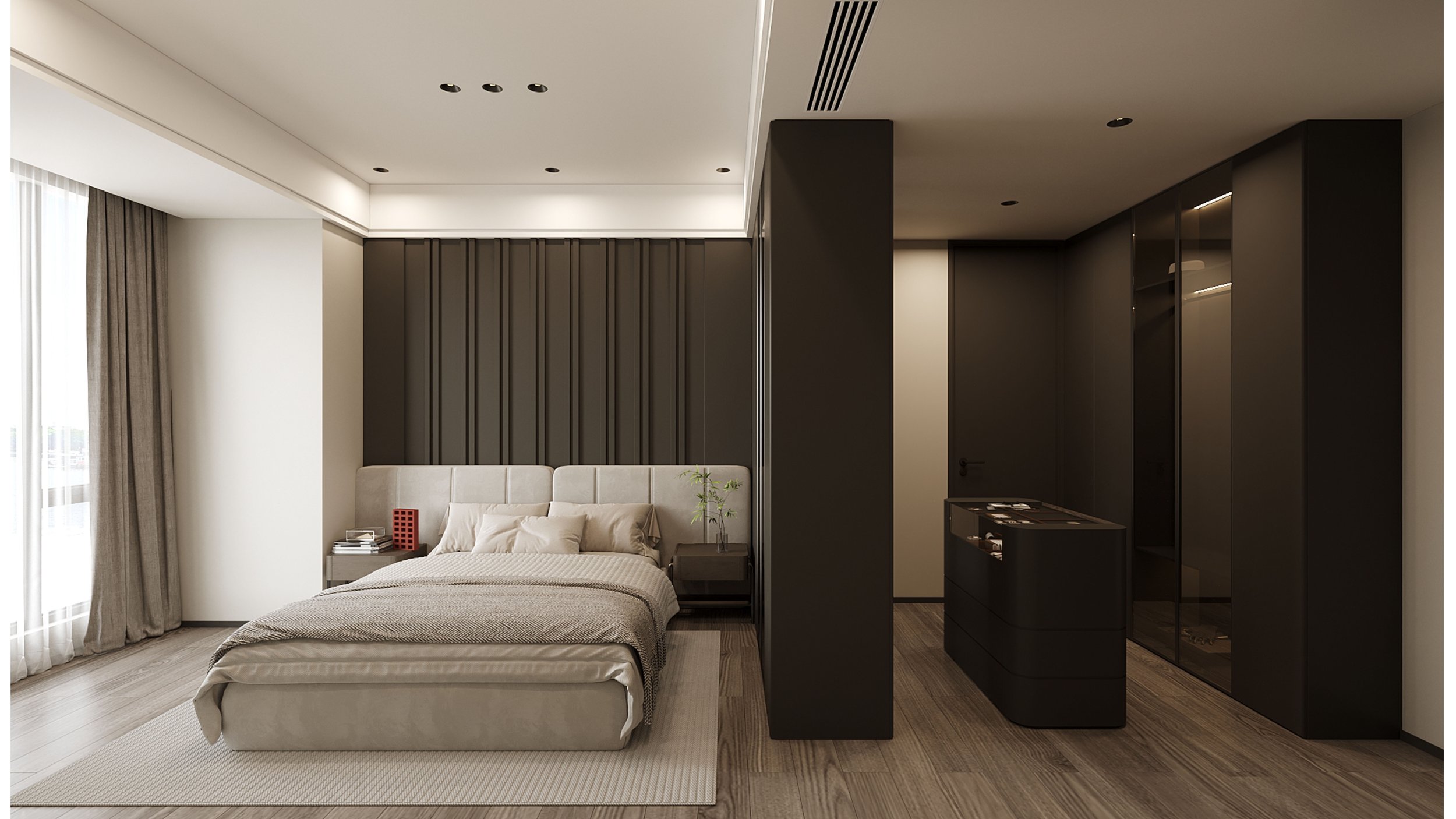
Luxury is not only about what exists inside a residence. It is also about the relationship between the interior and the world beyond it.
The most memorable homes create meaningful connections to their surroundings. Whether overlooking a river, a skyline, a garden, or the ocean, great interiors frame views as if they were living artwork.
This is one reason why floor-to-ceiling glazing has become such a defining feature of contemporary luxury residences. The objective is not simply to maximize visibility, but to integrate the external environment into daily life.
A beautiful view can transform an ordinary room into an extraordinary experience.
What Buyers Often Get Wrong
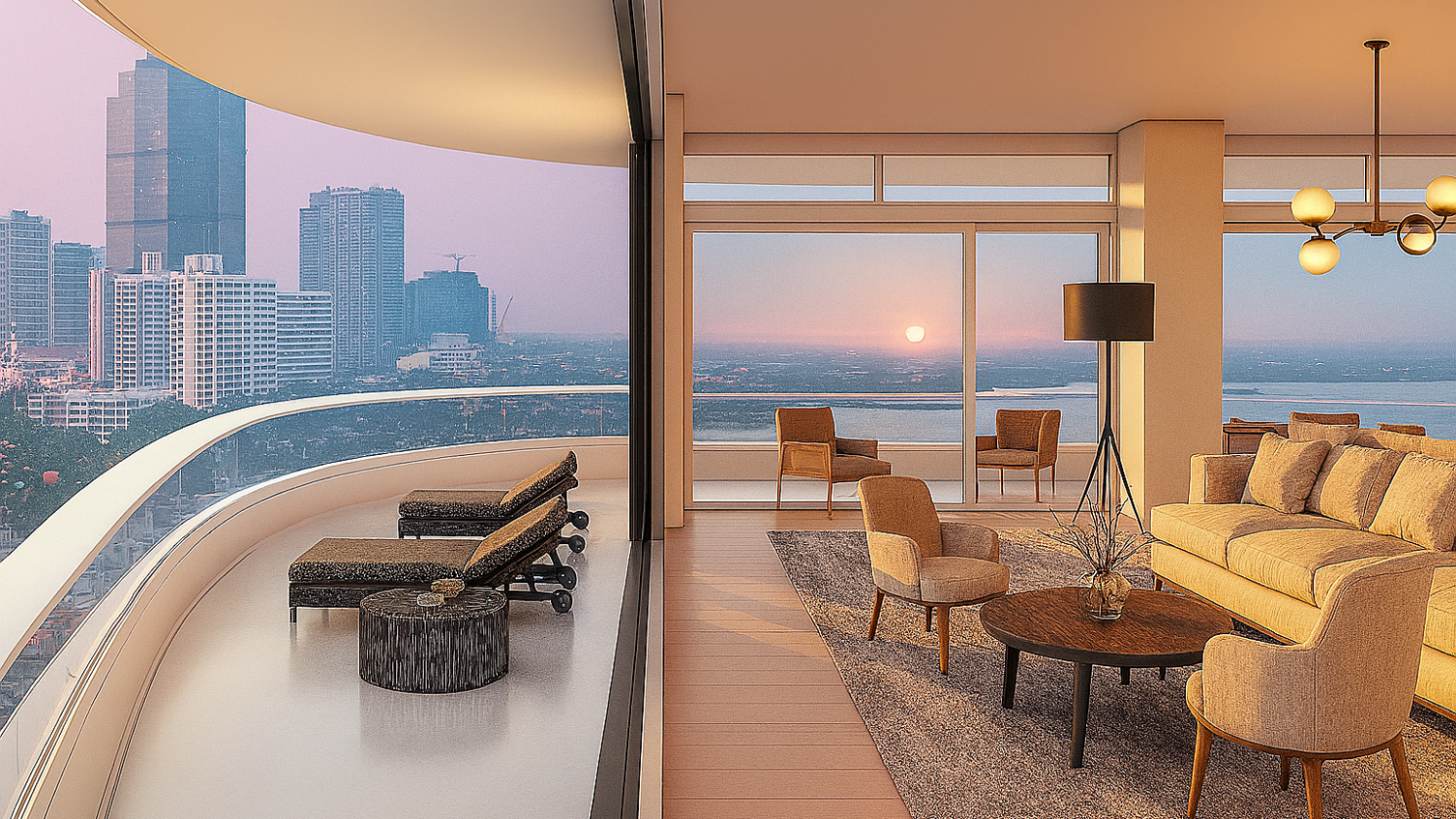
Many buyers evaluate luxury residences by focusing on visible finishes.
They compare marble specifications, appliance brands, lighting fixtures, and furniture packages. While these elements certainly matter, they are often easier to replace than the qualities that truly define a space.
Natural light cannot easily be added. Ceiling height cannot easily be increased. Views cannot easily be relocated. Proportion cannot easily be redesigned. Privacy cannot easily be manufactured.
The most important characteristics of luxury are often the most difficult to change, which is why they deserve greater attention during the purchasing process.
Final Thoughts
The most luxurious interiors are not necessarily the most expensive.
They are the spaces that make people feel comfortable, calm, inspired, and connected. They understand how human beings experience their surroundings and prioritize those experiences above decoration.
As luxury residential markets continue to evolve, buyers may increasingly discover that true luxury is less about displaying wealth and more about enhancing quality of life.
The most successful interiors do not impress people for a moment.
They improve how people live every day.
About the Author
Hoem Seiha has spent nearly 15 years in Cambodia's real estate industry, specializing in market research, valuation, market intelligence, and big-data analytics. Today, his work increasingly focuses on luxury-residential curation, where architecture, design, lifestyle, and investment intersect.
Hoem Seiha Curator of Luxe Residences | ERA Cambodia
📞 Analog: +855-10-699-553
💬 Telegram: t.me/hoemseiha_era
💬 WhatsApp: wa.me/85510699553