
Why Luxury Buyers Are Outgrowing Standard Condominiums
For decades, the luxury condominium market has largely been defined by location, views, and premium finishes. Buyers often compared developments by the number of bedrooms, the quality of imported materials, or the prestige of the address. While these remain important, a subtle shift is taking place among affluent homeowners.
Increasingly, luxury buyers are asking a different question:
"Does this home actually fit the way we live today?"
The answer is not always found in a larger penthouse or a more expensive address. Instead, it often begins with something much simpler: space that works.
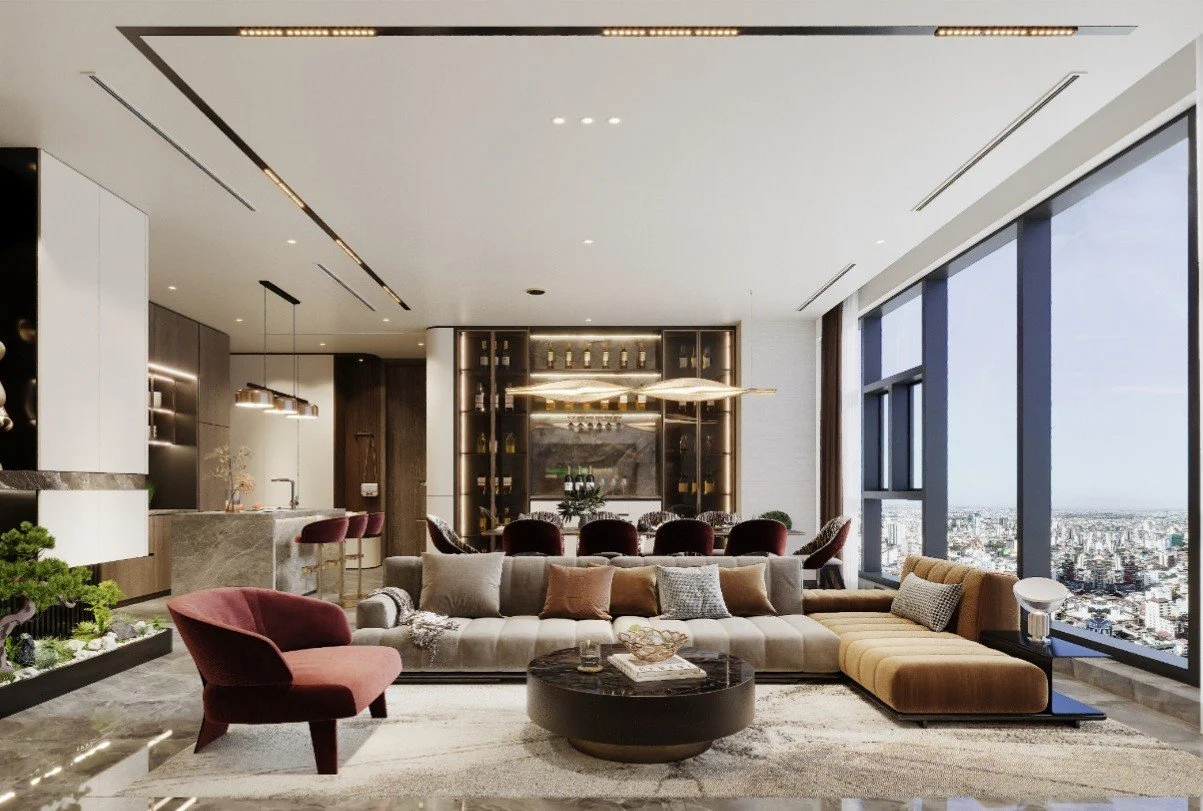
When Success Changes the Way We Live
Many professionals and business owners begin their property journey with a well-designed condominium of 80 to 150 square metres. At that stage of life, such homes often provide everything they need.
Over time, however, lifestyles evolve.
Children grow older and require their own space. Remote work creates demand for a dedicated home office. Family gatherings become more frequent. Guests stay overnight. Personal collections, hobbies, and fitness equipment begin to occupy rooms that were never intended for them.
The residence that once felt generous gradually becomes constrained—not because it has changed, but because the owner's lifestyle has.
Luxury, in this context, is no longer measured by marble flooring or designer lighting. It is measured by how comfortably a home supports everyday life.
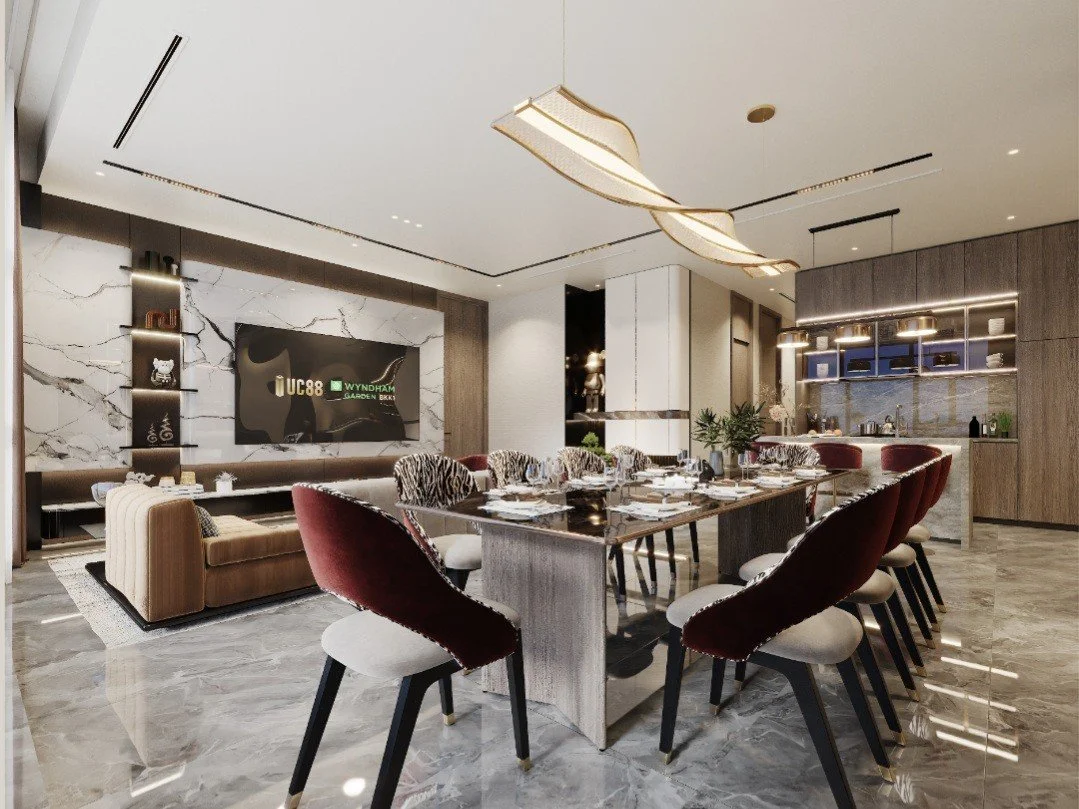
More Bedrooms Do Not Always Mean More Luxury
A common response to changing family needs is simply to purchase another bedroom.
Yet additional bedrooms do not necessarily create a better home.
Many residences maximise bedroom count while reducing the size of the spaces where families spend most of their time. Living rooms become narrower, dining areas feel compressed, and circulation between rooms becomes increasingly limited.
The result is a residence that appears larger on paper but offers little improvement in day-to-day living.
True luxury is not about fitting more rooms into a floor plan. It is about creating a sense of openness, comfort, and ease throughout the home.
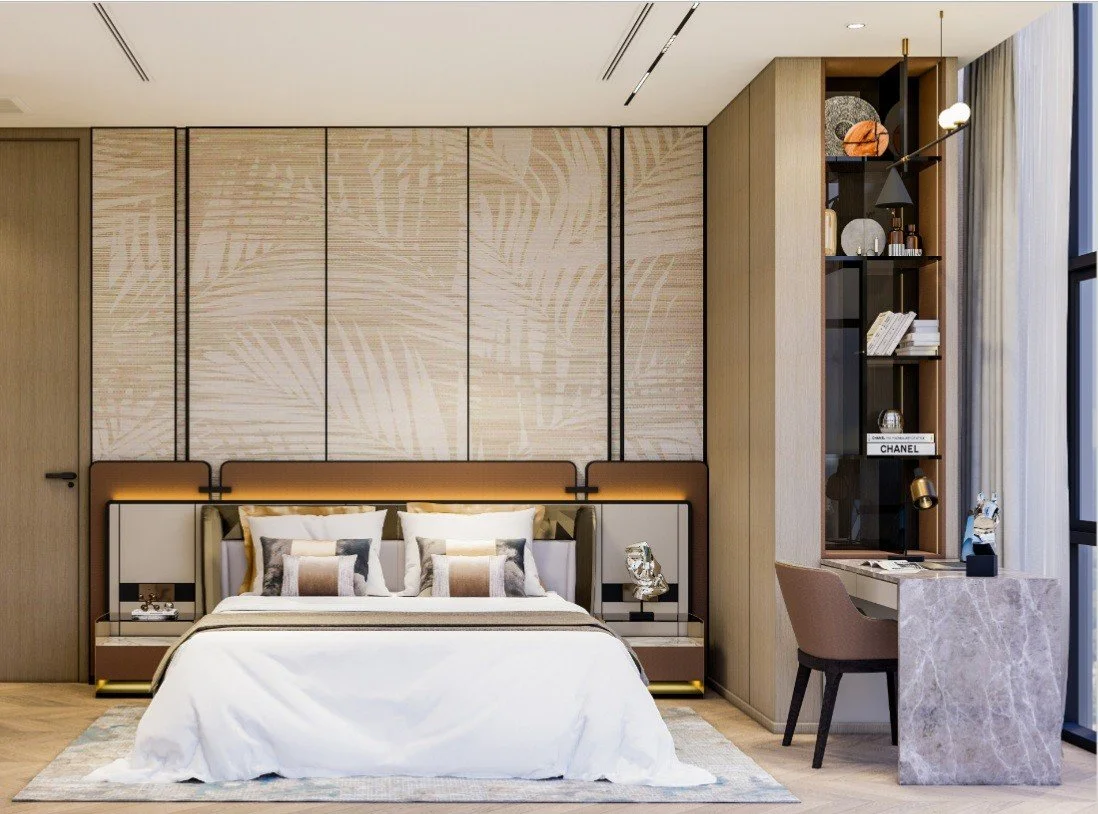
The New Luxury Is Livability
One of the defining characteristics of modern luxury is livability.
This includes:
Spacious living and dining areas that encourage family interaction.
Flexible spaces for work, study, or entertainment.
Thoughtful separation between private and social areas.
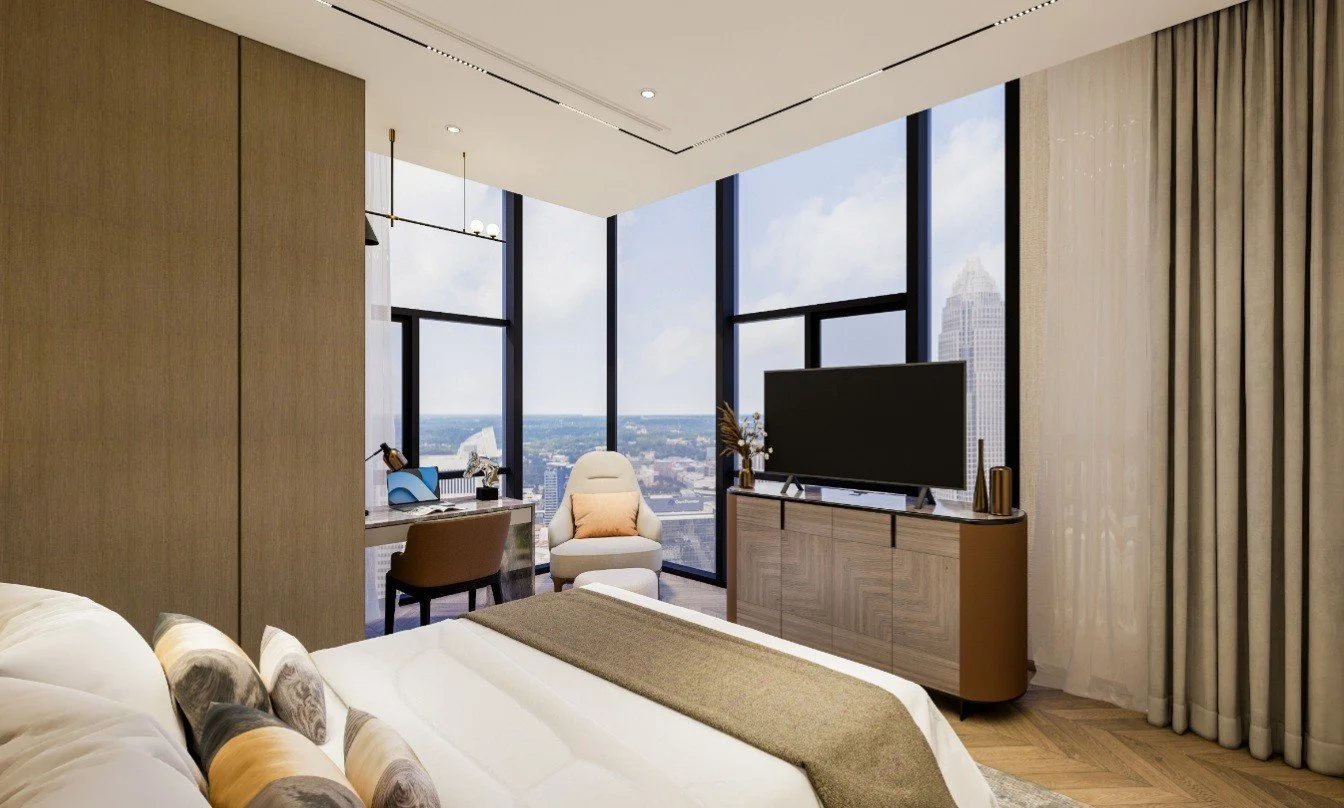
Abundant natural light and uninterrupted views.
Floor plans designed around daily routines rather than maximum unit density.
These qualities often have a greater impact on long-term satisfaction than decorative finishes alone.
A home that functions effortlessly every day is, in many respects, more luxurious than one that simply appears impressive during a viewing.
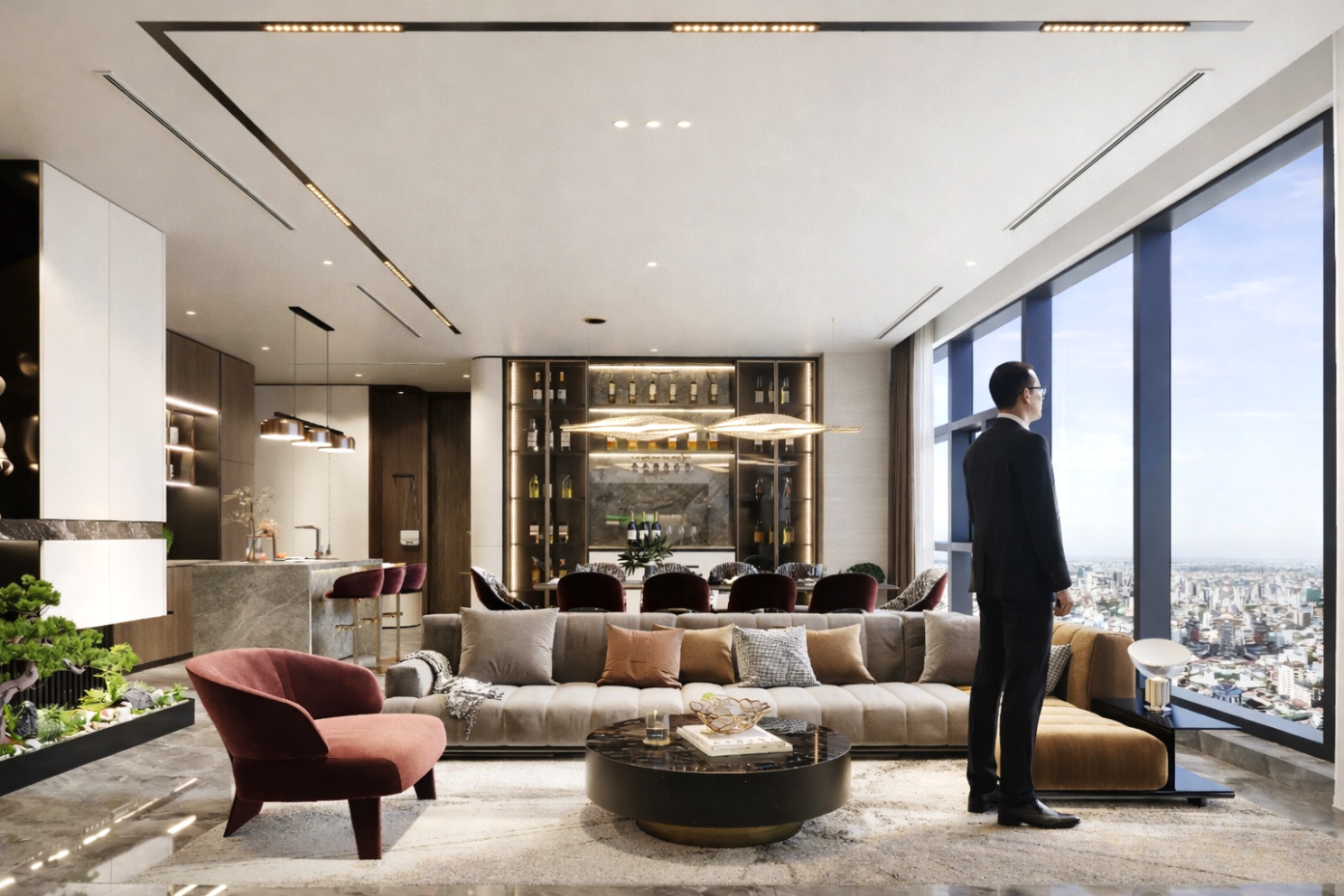
A Growing Shift in Buyer Priorities
Across many established luxury markets, buyers are increasingly placing greater emphasis on quality of living rather than quantity of amenities.
Instead of asking:
"How many facilities does the building offer?"
They ask:
How comfortable is the living space?
Can this home adapt as my family grows?
Will I still enjoy living here in ten years?
Does it provide privacy without unnecessary excess?
These questions reflect a broader understanding of value—one that extends beyond aesthetics and embraces practicality.
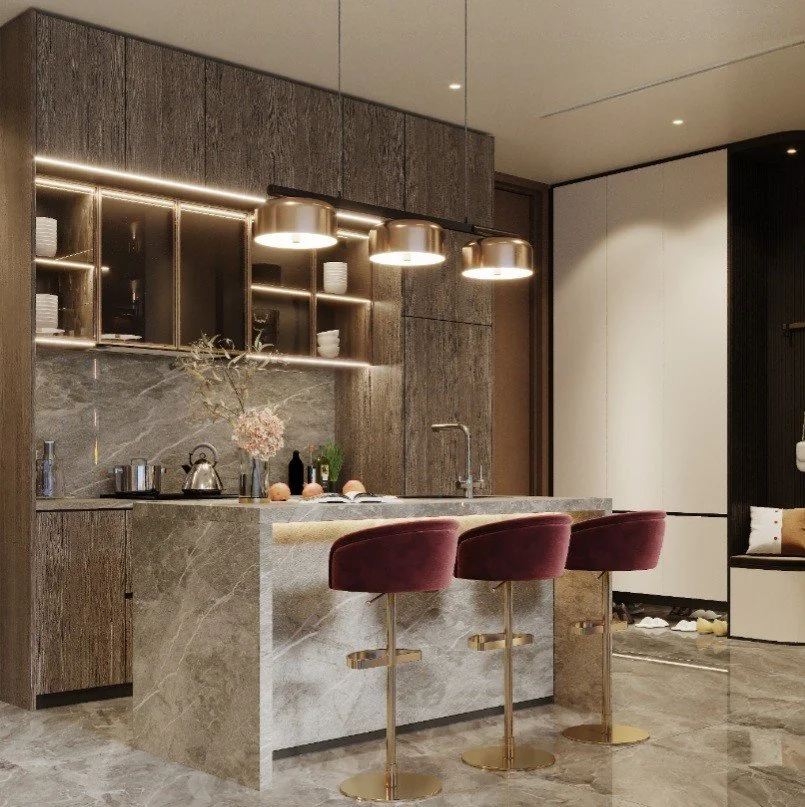
Looking Beyond the Conventional Condominium
As expectations continue to evolve, a new category of luxury residence is gaining attention.
It sits comfortably between the standard premium condominium and the ultra-luxury penthouse.
These residences offer significantly more living space, greater flexibility, and enhanced privacy, yet remain practical for everyday family life.
They are designed not to impress through excess, but to deliver a more refined way of living.
In the coming articles, we will explore this emerging category in greater depth and examine why it may represent one of the most compelling opportunities in Phnom Penh's luxury residential market.
Because for many buyers, the next step is not simply purchasing a larger condominium.
It is discovering a residence that finally feels proportionate to the life they have built.
About the Author
Hoem Seiha has spent nearly 15 years in Cambodia's real estate industry, specializing in market research, valuation, market intelligence, and big-data analytics. Today, his work increasingly focuses on luxury residential curation, where architecture, design, lifestyle, and investment intersect.
Hoem Seiha, Curator of Luxe Residences | ERA Cambodia
📞 Analog: +855-10-699-553
💬 Telegram: t.me/hoemseiha_era
💬 WhatsApp: wa.me/85510699553