Why Low-Density Living Is Becoming a Luxury
For decades, urban real estate has followed a similar formula:
build higher, fit more units, maximize density.
And for many years, density was associated with progress.
More residents. More activity. More convenience. More development.
But increasingly, something is changing.
A growing number of buyers are beginning to move in the opposite direction: toward quieter environments, fewer neighbors, greater openness, and more emotionally restorative living experiences.
Because today, luxury is no longer only about finishes.
It is about: space, calmness, and fewer people.
The Emotional Cost of Density
Modern cities offer many advantages:
convenience
accessibility
connectivity
urban energy
But high-density environments also create invisible pressures.
Noise increases. Crowding becomes normal. Shared facilities become congested. Privacy decreases. Mental fatigue grows gradually over time.
In many urban developments, residents may technically own luxury interiors while still living within highly compressed environments.
And increasingly, buyers are beginning to question whether true luxury can exist without emotional comfort.
The Return of Space & Quietness
One of the most significant global shifts in lifestyle real estate is the growing value placed on:
quietness
breathing space
emotional calmness
privacy
wellness-oriented environments
These qualities are becoming increasingly rare in dense urban markets.
As a result, low-density developments are no longer viewed simply as smaller projects.
They are increasingly perceived as: premium lifestyle environments.
Because fewer people often creates:
quieter surroundings
more peaceful shared spaces
greater personal comfort
lower environmental stress
stronger emotional quality of living
And these experiences cannot easily be replicated through expensive finishes alone.
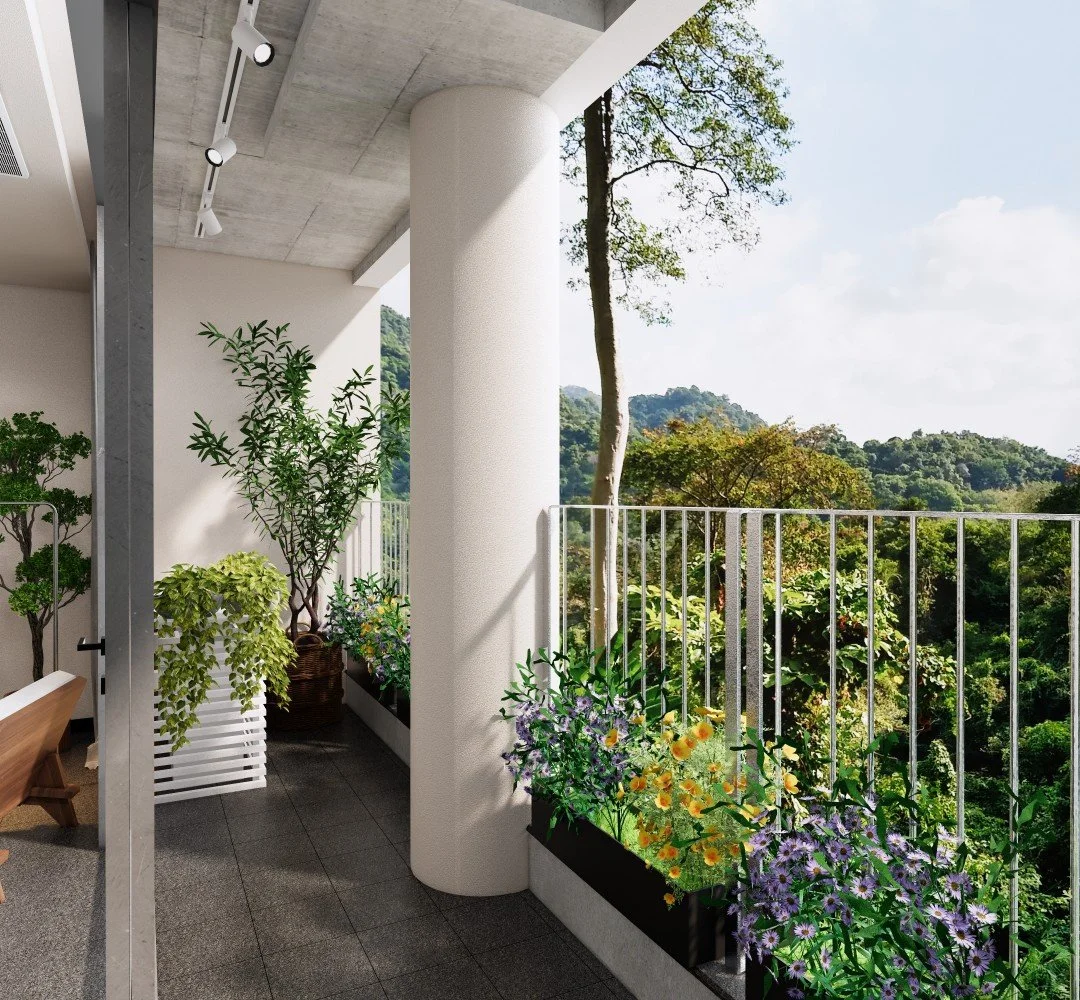
Why Low-Density Living Feels Different
There is a noticeable psychological difference between: living within a highly compressed environment and living within a carefully spaced one.
In lower-density projects:
movement feels slower
facilities feel calmer
common spaces feel more private
the environment feels less transactional
daily life feels less crowded
The atmosphere itself changes.
People become more aware of:
natural light
airflow
sound
greenery
horizon
silence
These environmental qualities begin shaping emotional wellbeing every day.
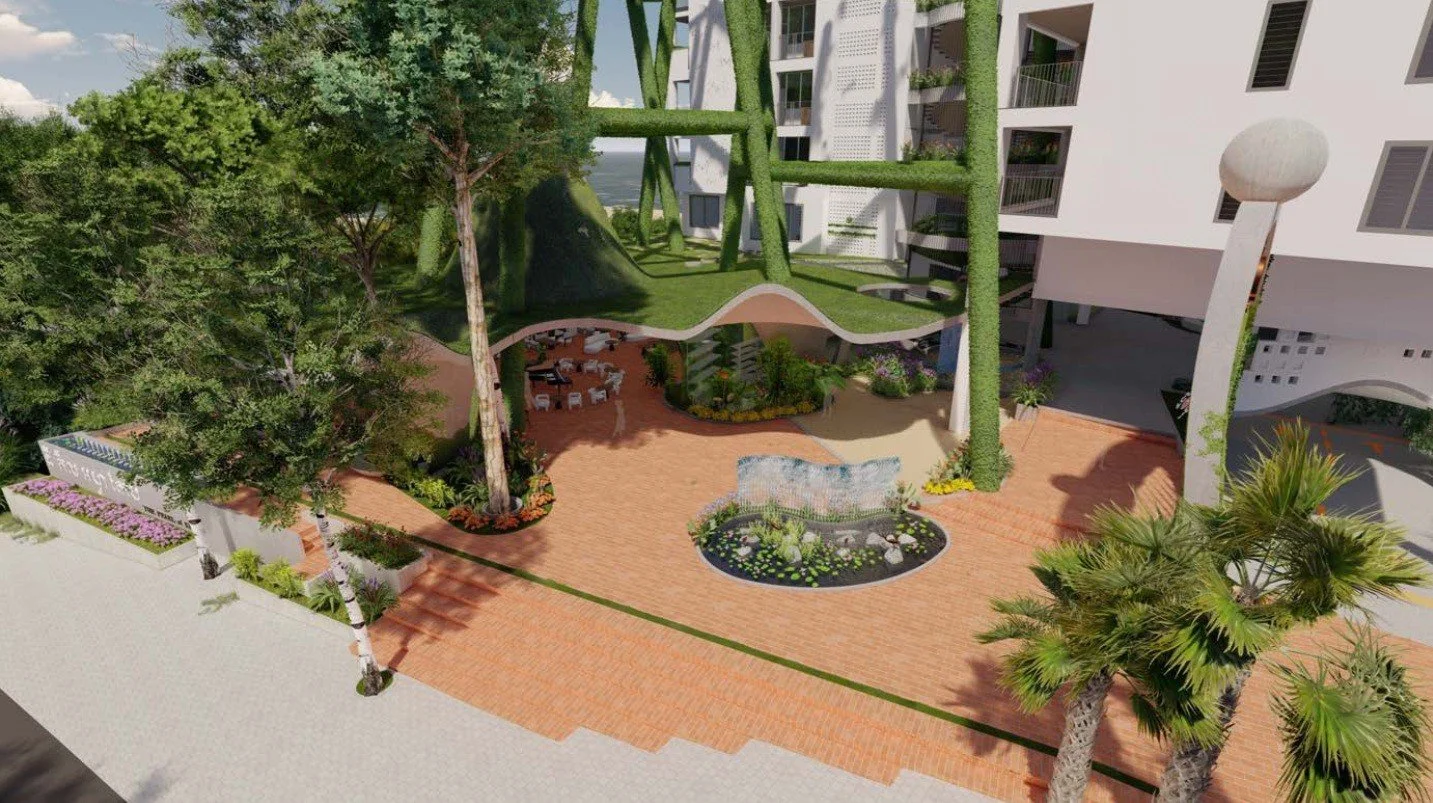
Only 77 Residences
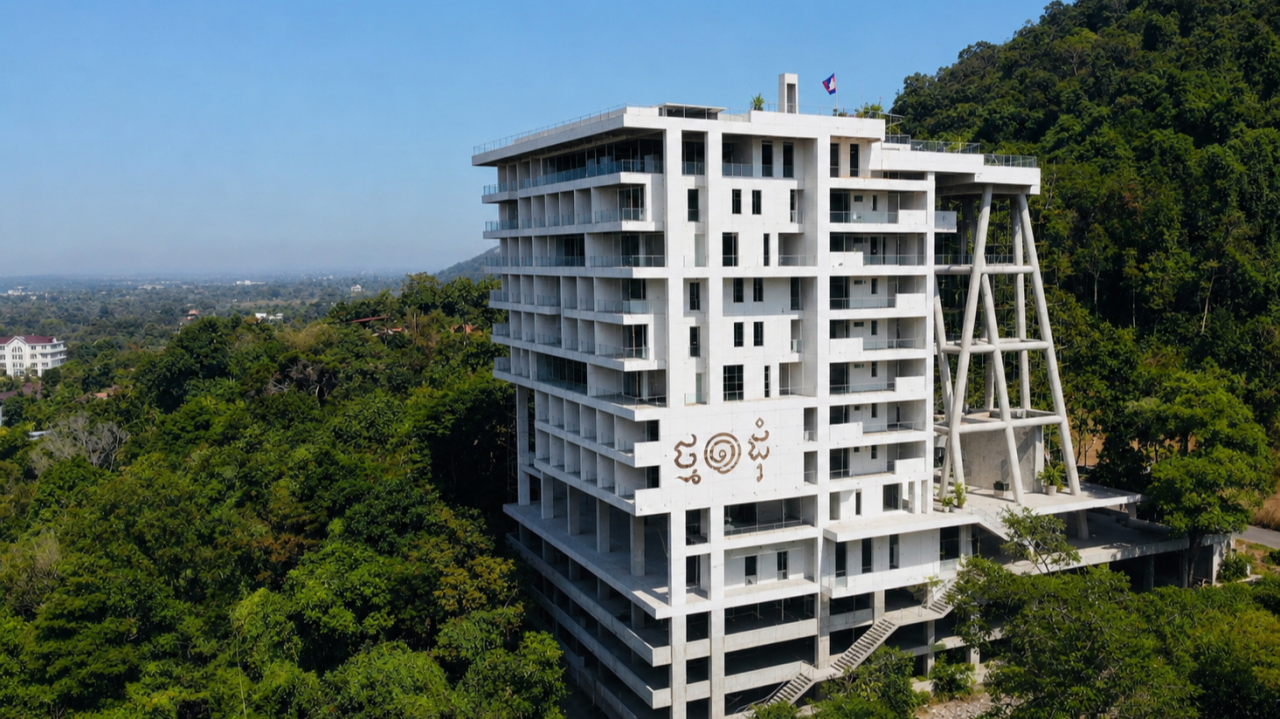
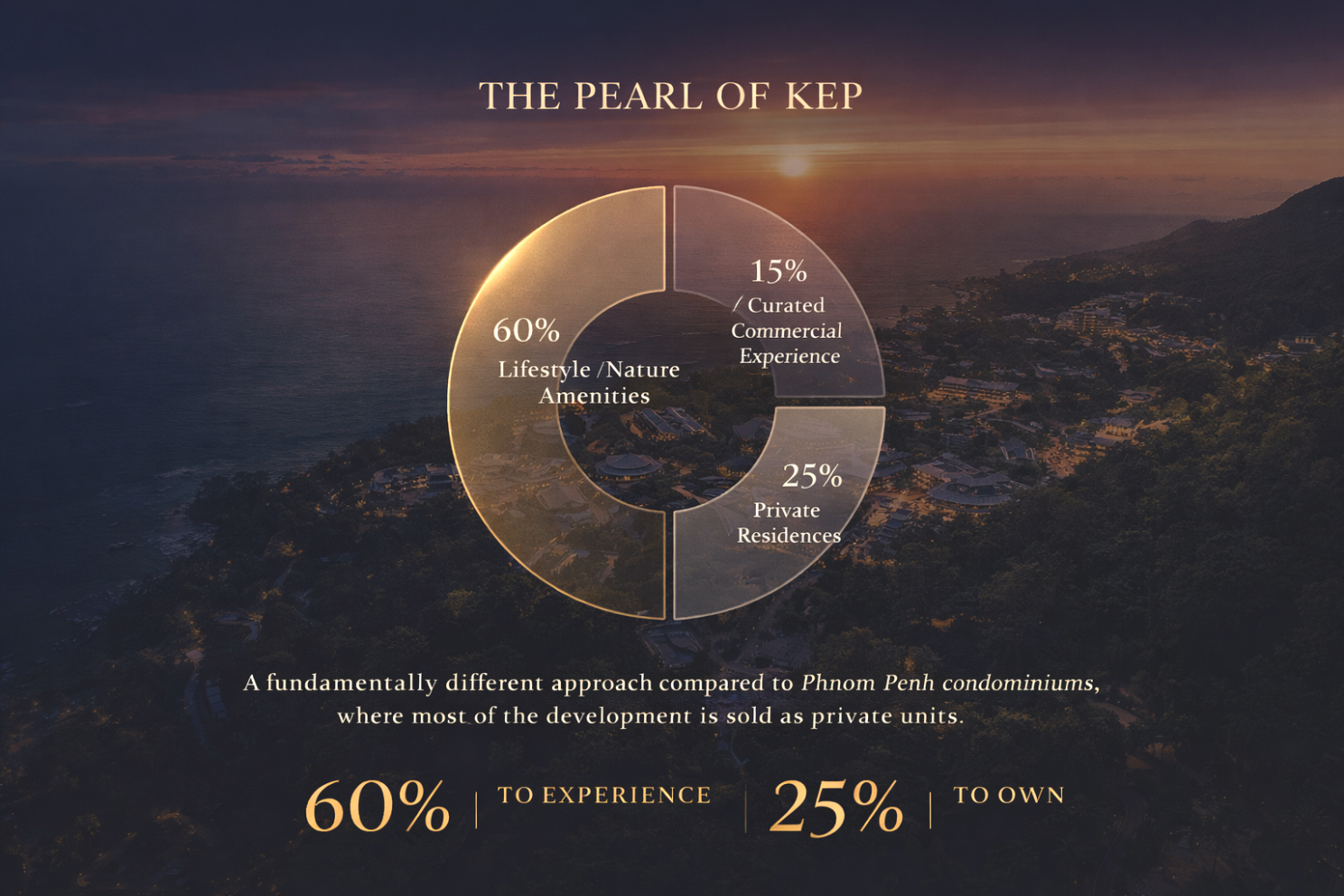
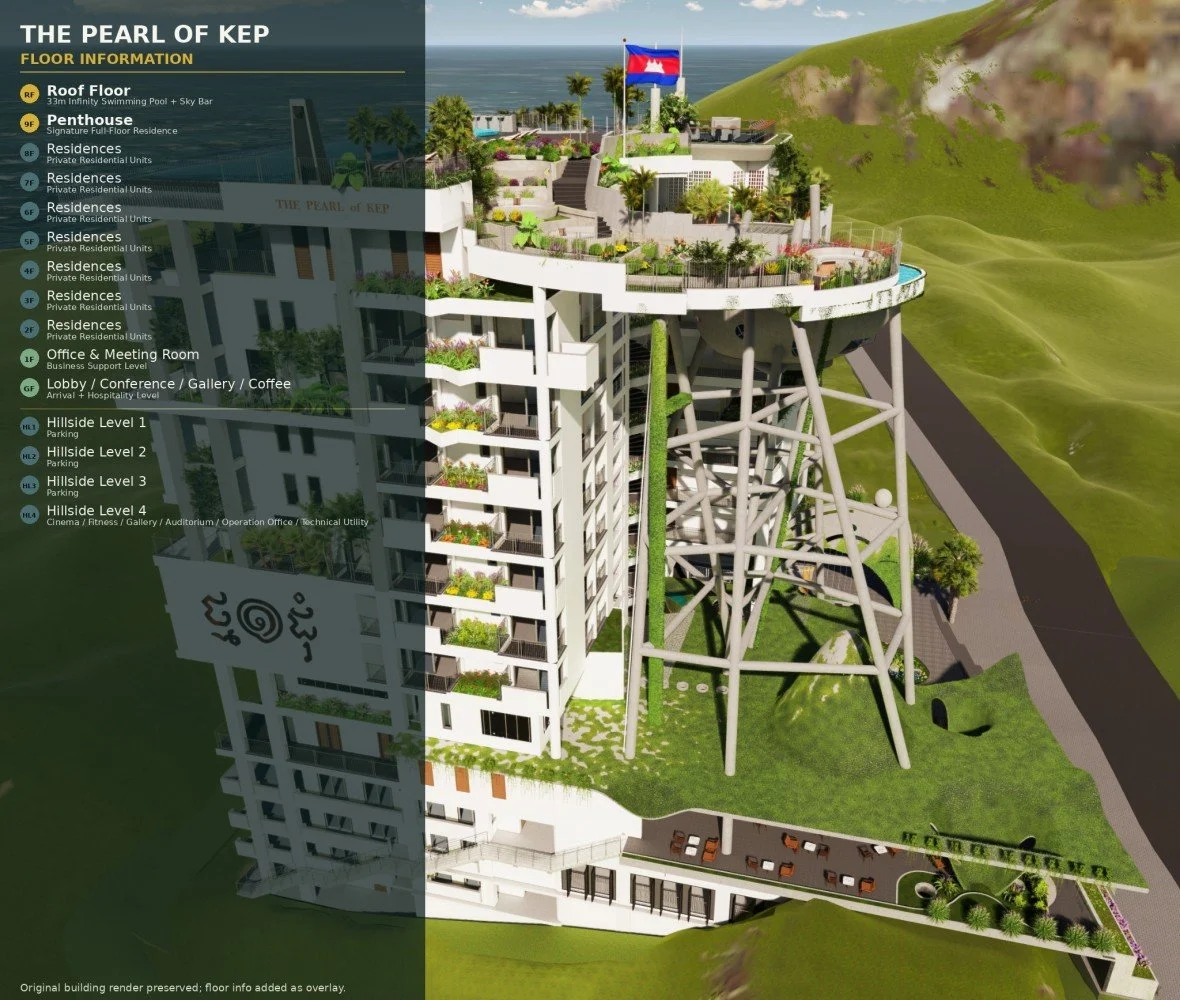
At The Pearl of Kep, the project was intentionally designed as a boutique low-density coastal residence collection.
Instead of maximizing residential volume, the development contains only: 77 residences and a single full-floor penthouse.
This decision fundamentally changes the ownership experience.
Rather than creating a highly compressed vertical environment, the project prioritizes:
openness
privacy
spatial breathing room
nature integration
lifestyle atmosphere
This allows the project to feel: more personal, more peaceful, and more emotionally restorative.
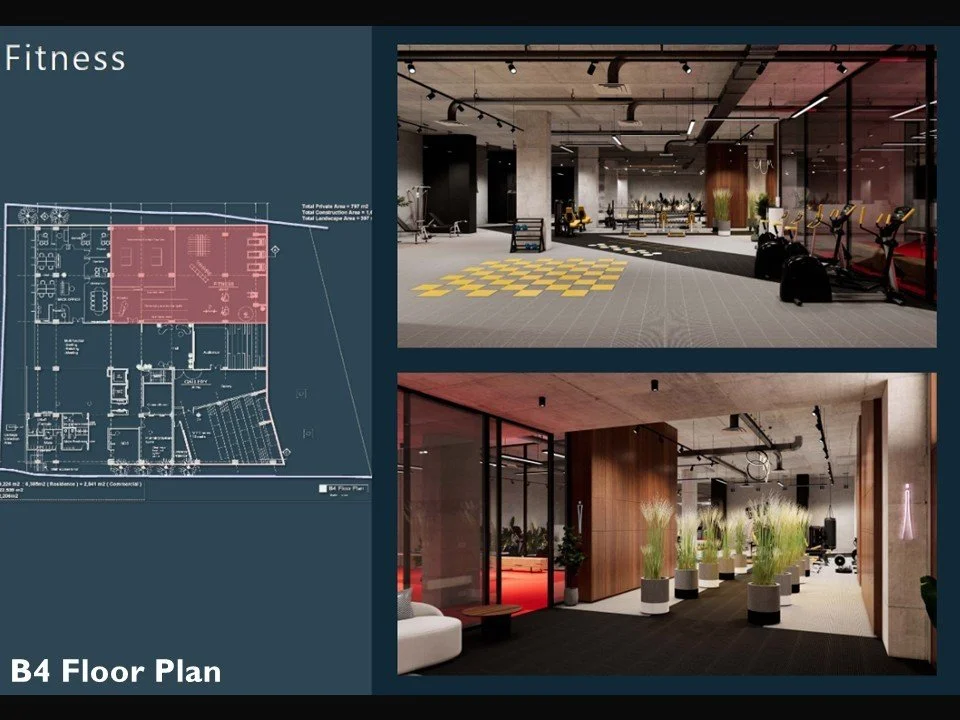
Wellness Beyond Amenities
Modern wellness is no longer defined only by:
gyms
spas
fitness facilities
Increasingly, wellness is becoming environmental.
People feel healthier in environments with:
less noise
more natural airflow
more greenery
stronger sunlight exposure
reduced visual stress
lower crowd density
This is why hillside coastal living environments often feel emotionally different from dense city developments.
The body relaxes differently. The mind slows down differently.
The environment itself becomes part of the wellness experience.
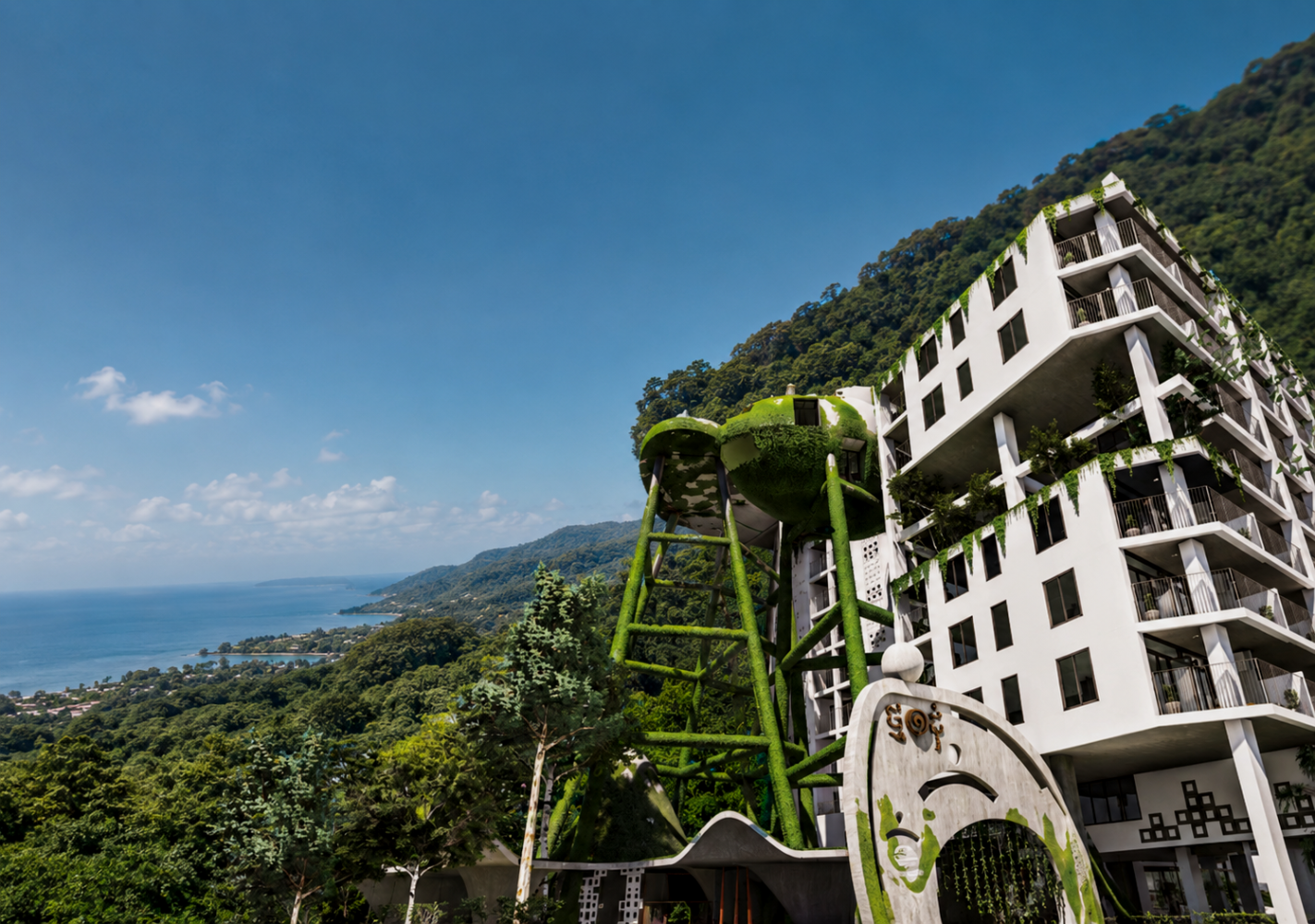
Nature Integration Changes Daily Life
At The Pearl of Kep, the project’s hillside positioning allows nature to become part of daily living rather than something viewed from a distance.
The ocean breeze moves naturally through shared spaces. Sunset light becomes part of the atmosphere. Greenery surrounds the architecture. Open horizons replace visual compression.
This creates a more immersive relationship between: architecture and environment.
And increasingly, that relationship is becoming one of the defining characteristics of modern luxury living.
The Future of Luxury Is Emotional
Luxury is evolving.
For many years, luxury was associated primarily with:
larger interiors
imported materials
expensive finishes
branded products
Those things still matter.
But increasingly, buyers are placing equal — or greater — value on:
emotional comfort
quietness
openness
privacy
lower-density living
wellness-oriented environments
Because ultimately, the most valuable thing a residence can offer may not be status.
It may be peace.
A Different Kind of Coastal Living
In destinations like Kep, low-density coastal living creates a lifestyle experience that feels increasingly rare in modern urban environments.
Not because it is louder or more extravagant.
But because it offers something many places no longer can:
space to breathe, space to slow down, and space to feel human again.
And perhaps that is why low-density living is quietly becoming one of the greatest luxuries of all.
Contact for details
Analog: +855-10-699-553
💬 Telegram: t.me/hoemseiha_era
💬 WhatsApp: wa.me/85510699553
💬 Line ID: hoemseiha
📧 Email: hoem.seiha@eracambodia.com
Curated by Hoem Seiha – ERA Curator of Luxe Residences | ERA Cambodia
