
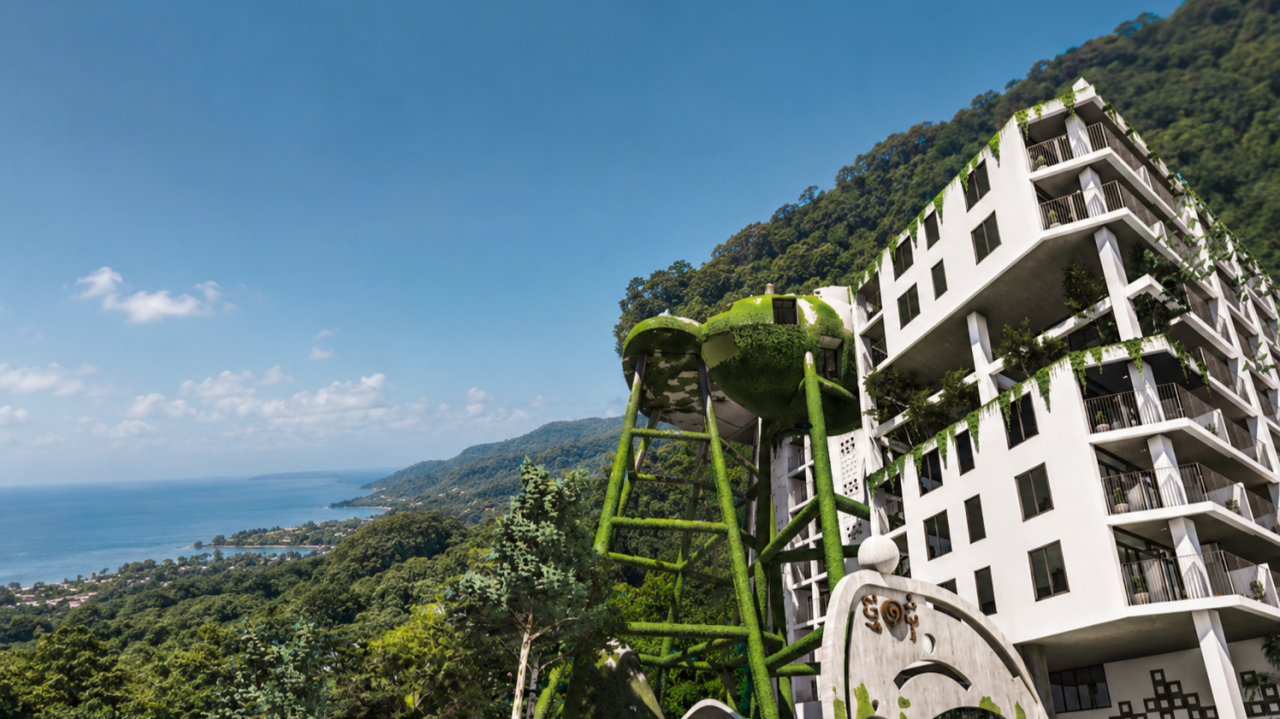
For many years, Cambodian real estate was largely driven by one primary idea: urban ownership.
People bought properties close to:
workplaces
business districts
commercial activity
transportation corridors
And for a long time, that made sense.
But increasingly, a different category of ownership is beginning to emerge across many parts of the world: the second home.
Not purchased purely for necessity — but for lifestyle.
And in Cambodia, coastal destinations like Kep are quietly beginning to enter that conversation.
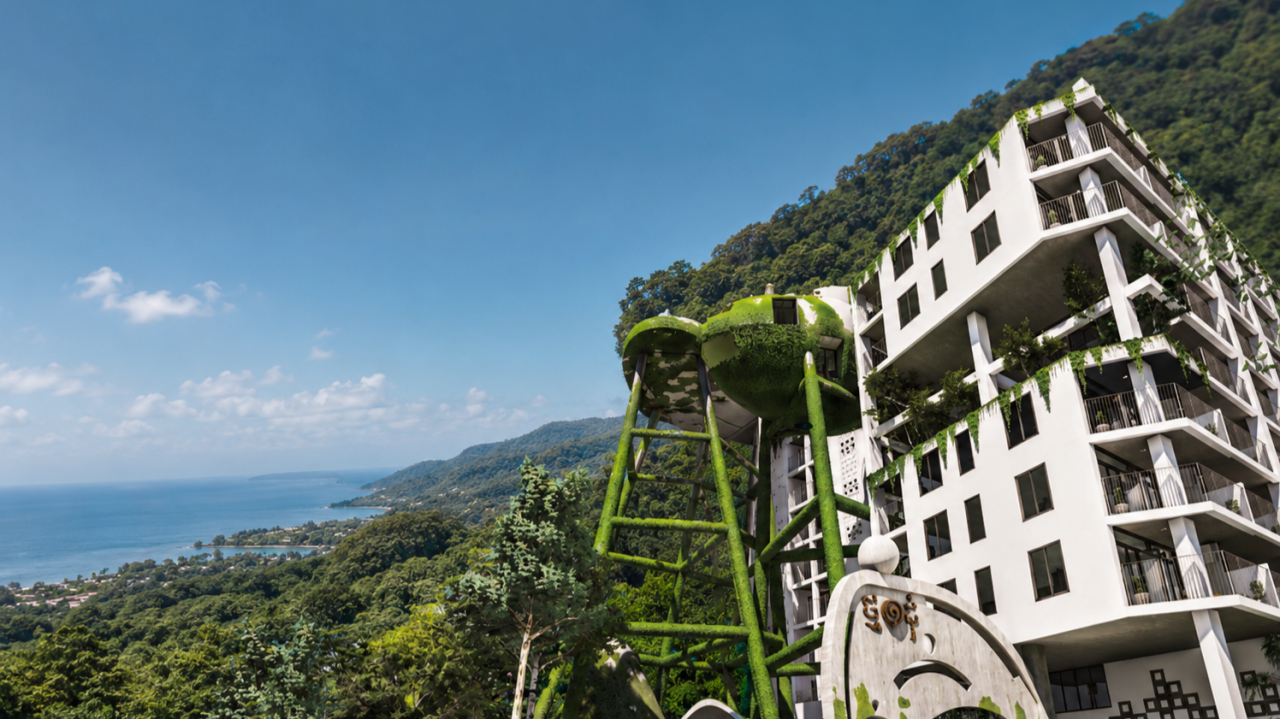
The Rise of Lifestyle Ownership
Globally, second-home ownership has evolved significantly over the past decade.
People are no longer purchasing secondary residences only as occasional vacation properties.
Increasingly, second homes are becoming:
wellness retreats
long-stay lifestyle residences
hybrid living environments
retirement destinations
remote working escapes
emotionally restorative spaces
This shift reflects a broader change in how people view wealth and quality of life.
Ownership is becoming less transactional — and more experiential.
People are increasingly asking: Where do I actually want to spend my time?
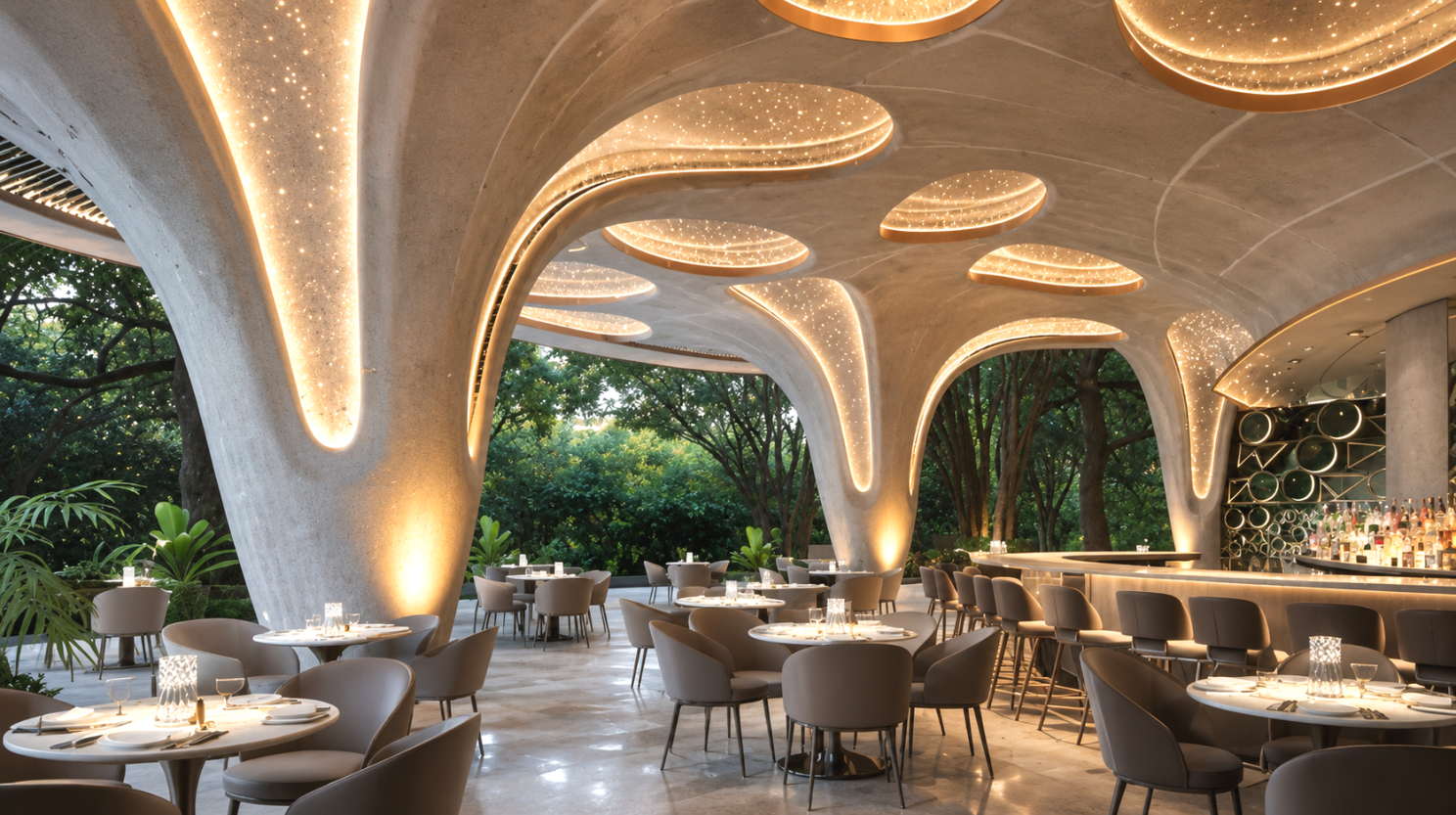
Why Coastal Markets Matter
Historically, many of the world’s most desirable second-home destinations share several common characteristics:
lower density
natural scenery
slower pace of life
ocean proximity
emotional atmosphere
lifestyle-oriented environments
Coastal markets often attract buyers because they offer something cities cannot easily replicate: psychological separation from everyday urban intensity.
The ocean changes daily rhythm.
People sleep differently. Move differently. Think differently.
And over time, these emotional and environmental qualities become deeply valuable.
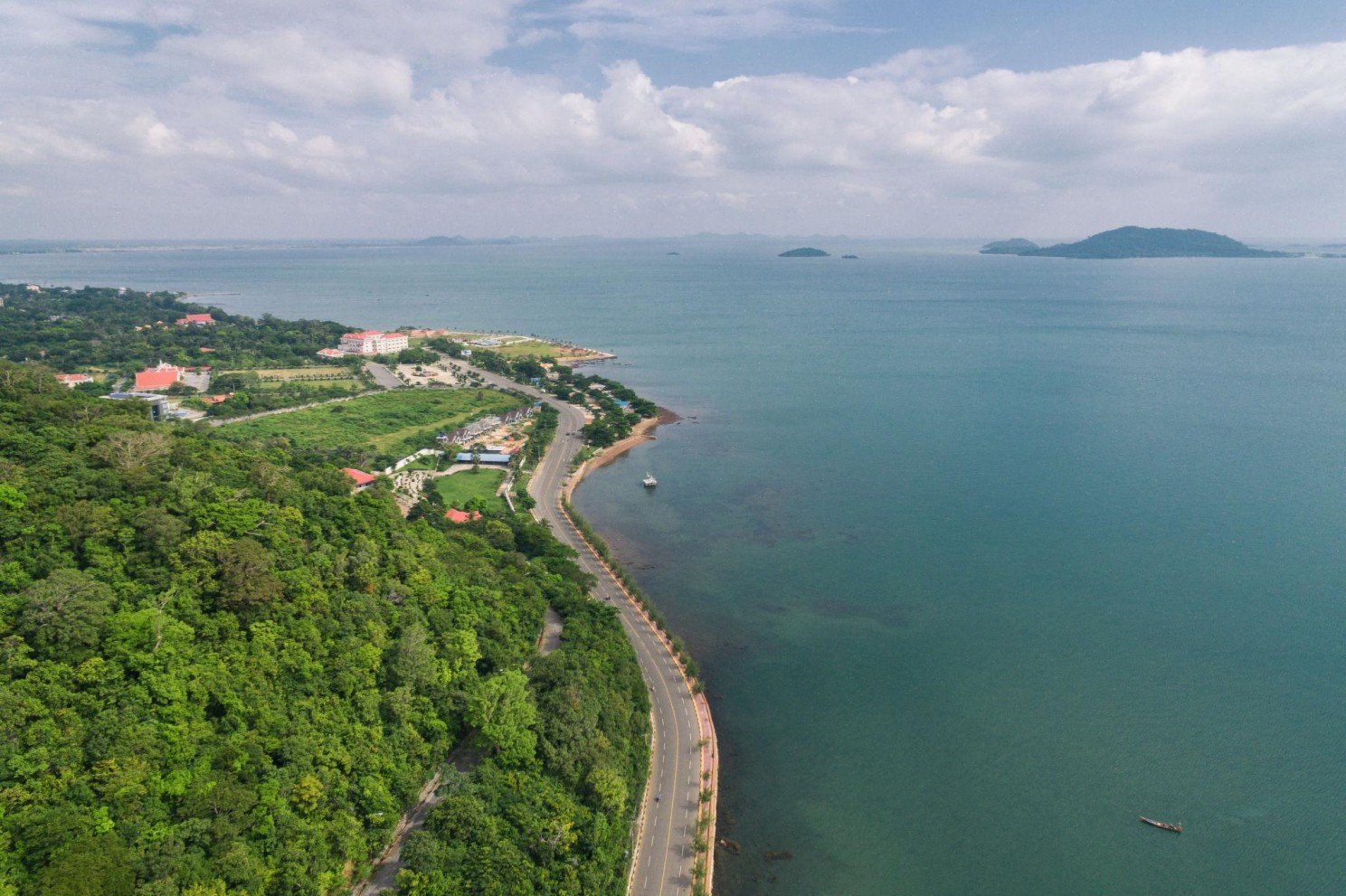
Kep’s Position Within Cambodia
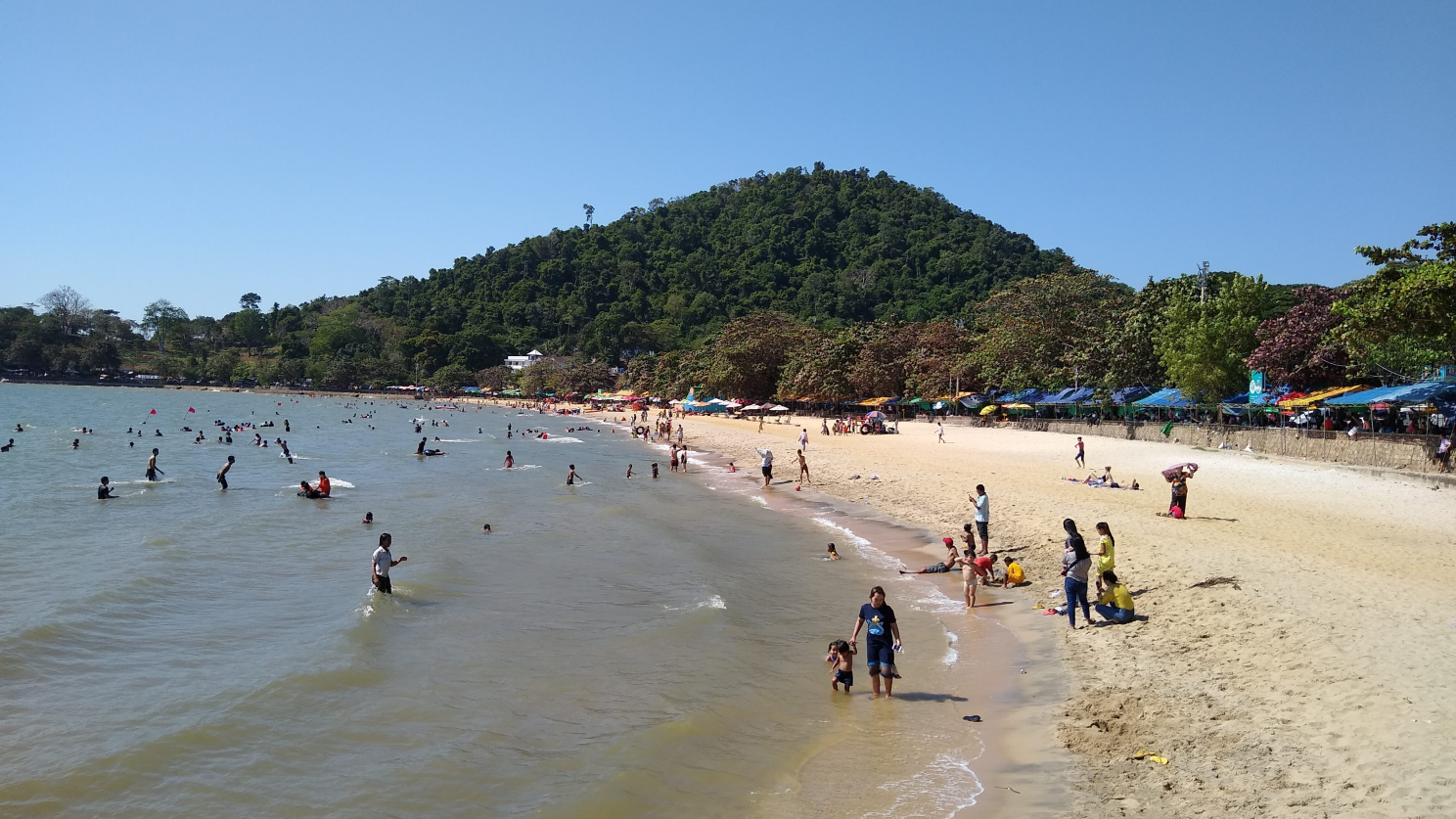
Kep occupies a particularly unique position within Cambodia’s coastal landscape.
Unlike heavily urbanized tourism centers, Kep remains relatively:
quiet
low-density
naturally preserved
lifestyle-oriented
It retains much of its original emotional identity as a coastal retreat destination.
At the same time, accessibility from Phnom Penh allows Kep to function increasingly well as:
a weekend destination
a second-home market
a retirement environment
a lifestyle investment location
This combination is important.
Because successful second-home markets often emerge not only from tourism — but from repeat lifestyle usage.
And Kep increasingly supports that pattern.
The Early-Market Advantage
One of the strongest characteristics of emerging coastal lifestyle markets is timing.
Many mature coastal destinations across the region experienced dramatic transformation only after:
infrastructure improvements
tourism growth
lifestyle migration
increased private ownership demand
By the time many buyers entered those markets, pricing and density had already changed significantly.
Kep remains relatively early within this evolution cycle.
That creates a different type of opportunity: not purely speculative — but positioning-oriented.
Buyers entering earlier often benefit from:
broader inventory selection
stronger location choices
lower-density environments
comparatively earlier pricing stages
stronger long-term lifestyle positioning
Especially in boutique developments where supply is intentionally limited.
The Retirement & Long-Stay Potential
Another growing factor within lifestyle ownership is retirement-oriented migration.
Increasingly, buyers are prioritizing environments that support:
calmness
lower stress
natural surroundings
wellness-oriented living
slower daily rhythm
Coastal destinations naturally align with many of these preferences.
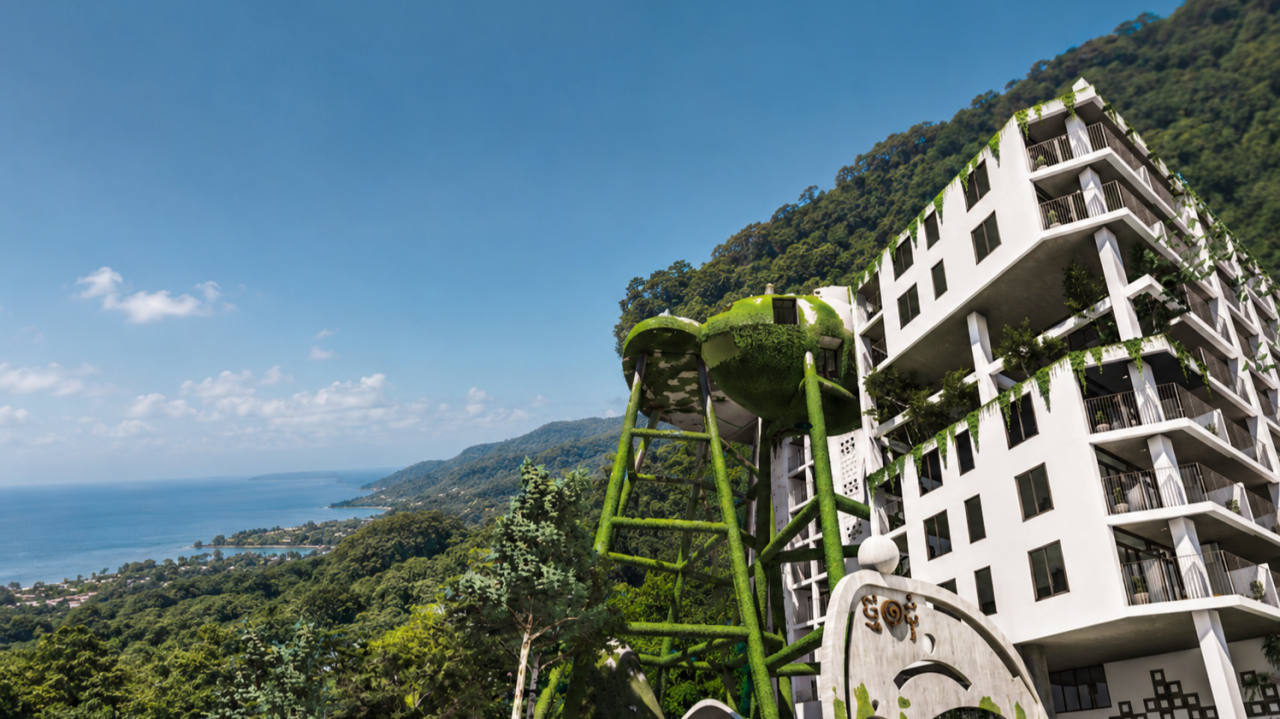
In Cambodia, Kep’s:
greenery
hillside topography
ocean atmosphere
low-density environment
and quieter lifestyle
create conditions increasingly attractive for:
semi-retirement lifestyles
long-stay ownership
hybrid city-coast living
future retirement planning
And unlike many larger resort markets, Kep still retains a more intimate and personal atmosphere.
Tourism Lifestyle Ownership
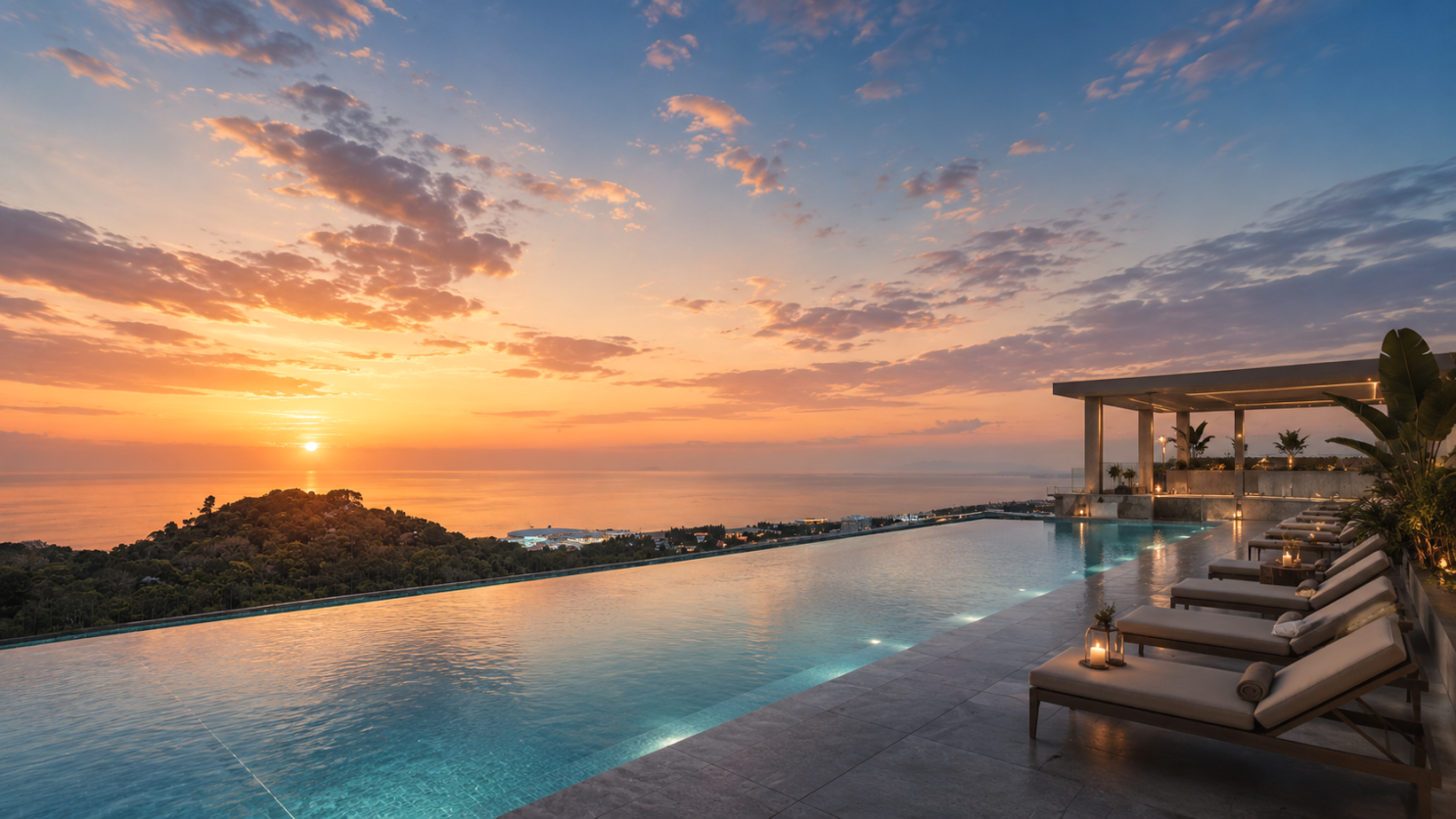
Second-home ownership today is also increasingly connected with tourism lifestyle flexibility.
Many buyers no longer separate:
personal use and
lifestyle investment
as completely different categories.
Instead, ownership often becomes hybrid:
private enjoyment during selected periods
flexible long-stay use
lifestyle-oriented rental potential
family retreat usage
long-term appreciation positioning
This creates a more flexible ownership model where the property serves both: emotional value and practical utility.
Limited Premium Coastal Supply
Perhaps one of the most important long-term considerations within coastal lifestyle markets is supply limitation.
Unlike large-scale urban expansion, premium hillside and coastal environments are naturally constrained by:
geography
elevation
environmental integration
coastline availability
low-density planning
This makes certain lifestyle-oriented developments inherently difficult to replicate.
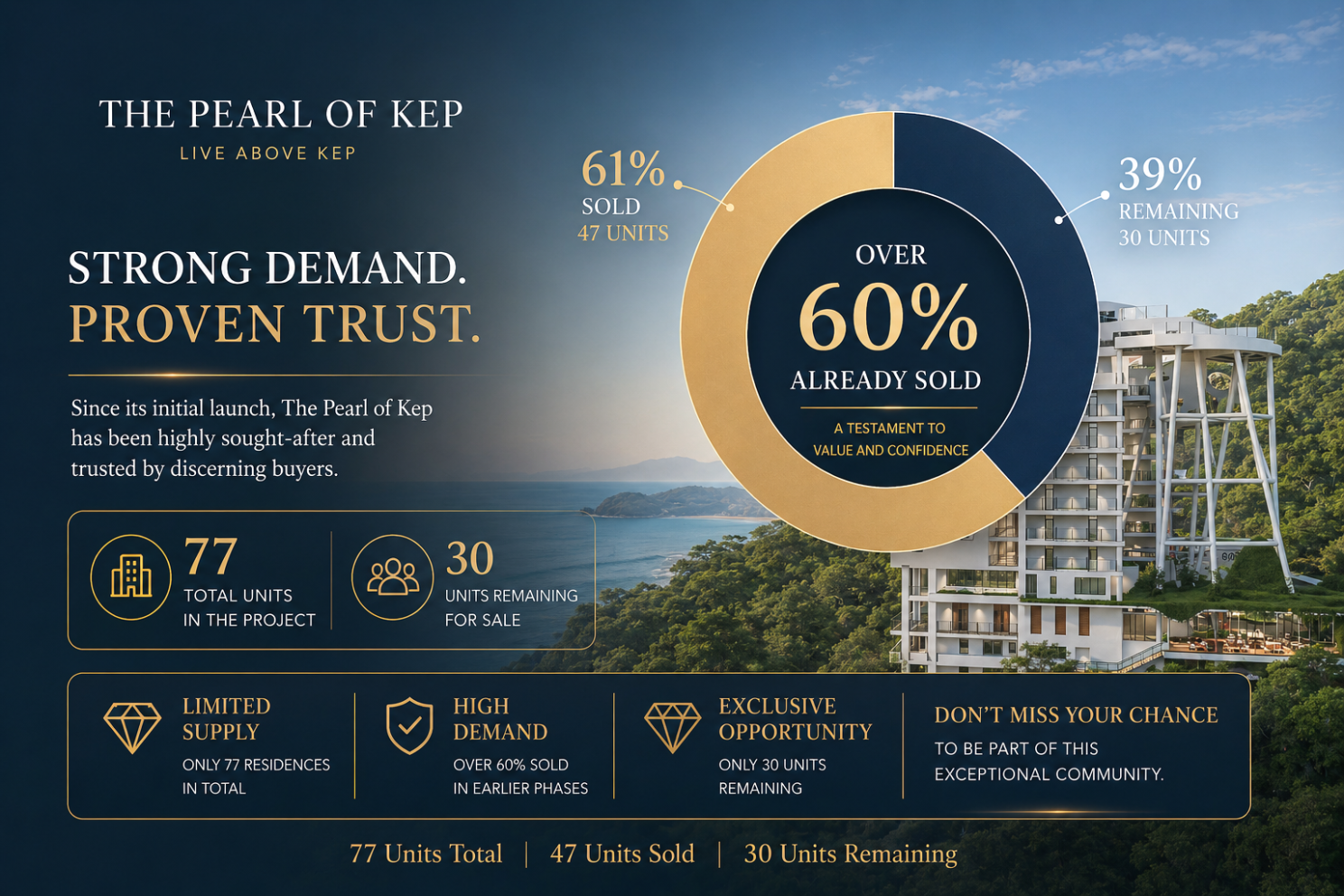
At The Pearl of Kep, the project intentionally limits residential density to: only 77 residences plus a single full-floor penthouse.
This boutique positioning creates a different ownership atmosphere compared to larger mass-market developments.
And in lifestyle-oriented real estate, scarcity often becomes part of long-term emotional value.
Beyond Investment Alone
The strongest second-home markets are rarely driven only by financial metrics. They succeed because people genuinely want to spend time there. That emotional connection matters enormously. Because ultimately, second-home ownership is not only about return calculations.
It is also about:
lifestyle quality
emotional wellbeing
future flexibility
personal retreat
family memory creation
and long-term life positioning
And perhaps that is why destinations like Kep are quietly beginning to attract a new generation of lifestyle-oriented ownership.
Not simply because they are coastal. But because they offer a different way of living altogether.
Contact for details
Analog: +855-10-699-553
💬 Telegram: t.me/hoemseiha_era
💬 WhatsApp: wa.me/85510699553
💬 Line ID: hoemseiha
📧 Email: hoem.seiha@eracambodia.com
Curated by Hoem Seiha – ERA Curator of Luxe Residences | ERA Cambodia
