
The Coastal Investment Case: Xanadu International Resort, Koh Rong Sanloem, Sihanoukville
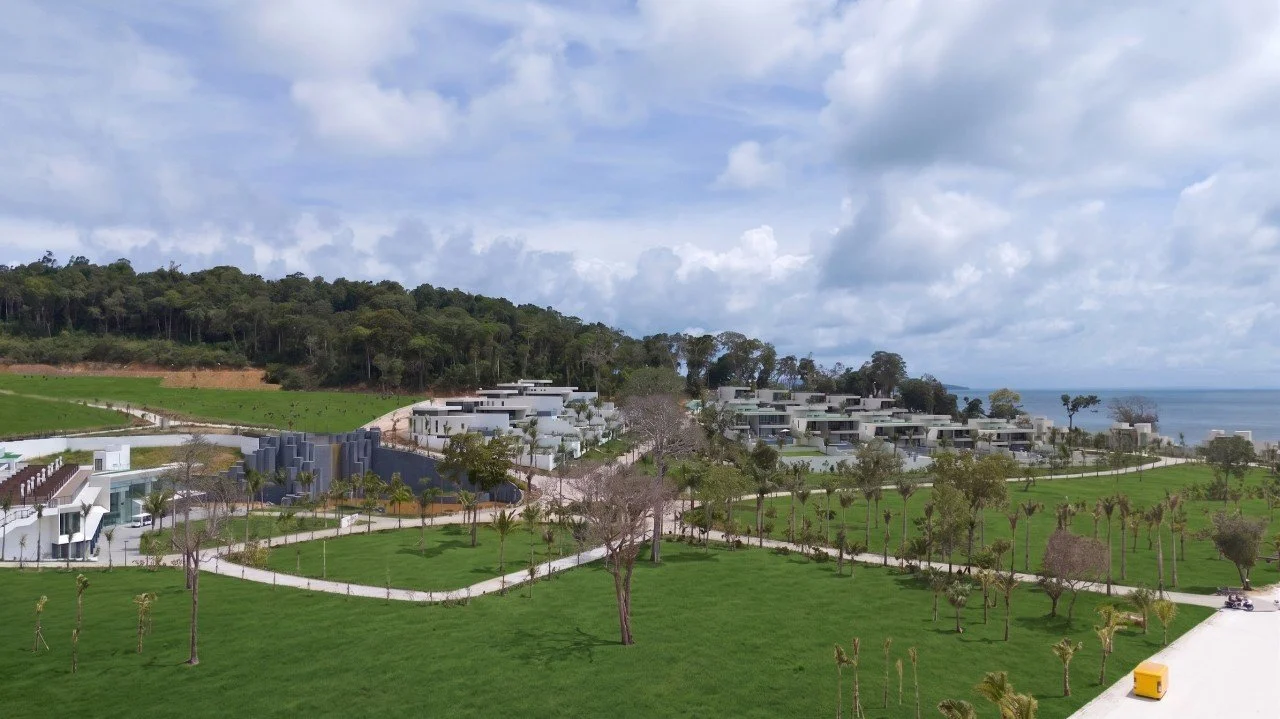
Most coastal property gets sold on a feeling — the view, the sunset, the sound of the water. That feeling matters, but it isn't an investment thesis. For buyers looking at Koh Rong Sanloem as more than a lifestyle purchase, the more useful question is a different one: what actually underwrites the value of a private island residence here, and what does ownership return while you're not using it?
A market still early in its curve
Sihanoukville isn't a speculative bet on a place with no economic base. It's already functioning as a special economic zone hosting 217 international enterprises, home to Cambodia's only deep-water port handling the large majority of the country's cargo, and an emerging regional financial center with major banks establishing a presence. Tourism is shifting alongside it — from a single-industry, backpacker-driven economy toward a diversified mix of eco-tourism, high-end resorts and cultural experiences. (These figures are developer-stated and worth independently verifying, but the underlying direction — infrastructure and capital converging on this coastline — is the relevant signal for an early-stage market.)
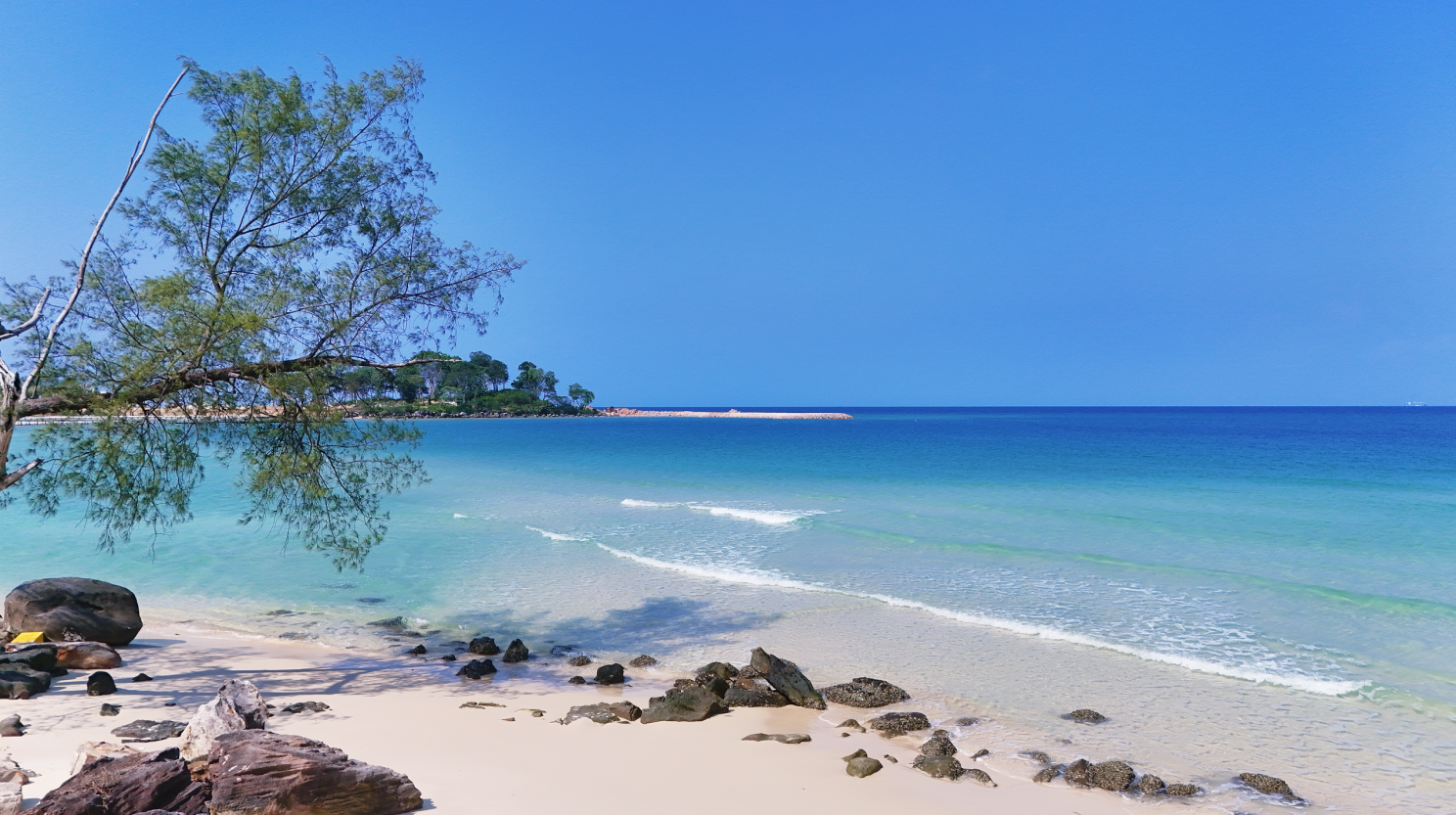
Koh Rong Sanloem sits just offshore from all of this, still largely undeveloped, with strict conservation restrictions limiting how much of the island can ever be built out. That combination — mainland economic momentum next to protected, low-supply coastline — is usually the setup coastal investors look for before a market re-rates, not after.
What ownership actually includes
Xanadu International Resort by Sunshine Land, Koh Rong Sanloem, Sihanoukville structures ownership with a hospitality income layer built in, not bolted on afterward. The proposed terms: a nine-year management contract, with a fixed 8% annual return on the property's total price for the first three years, followed by a 50% share of hotel operating profit from year four onward. Owners also receive 15 days of personal vacation use each year — meaning the asset isn't purely financial; it remains usable.
That fixed-return structure is worth sitting with. Cambodia's broader property market has historically returned closer to 6.55% on average — Xanadu's proposed first-three-year rate sits meaningfully above that benchmark, before the variable profit-share period even begins. As with any developer-proposed return, the contractual mechanism, operating costs and profit calculation deserve careful review before committing — but the structure itself is designed to answer the question every coastal investor eventually asks: what is this doing for me when I'm not there?
Entry points across the capital spectrum
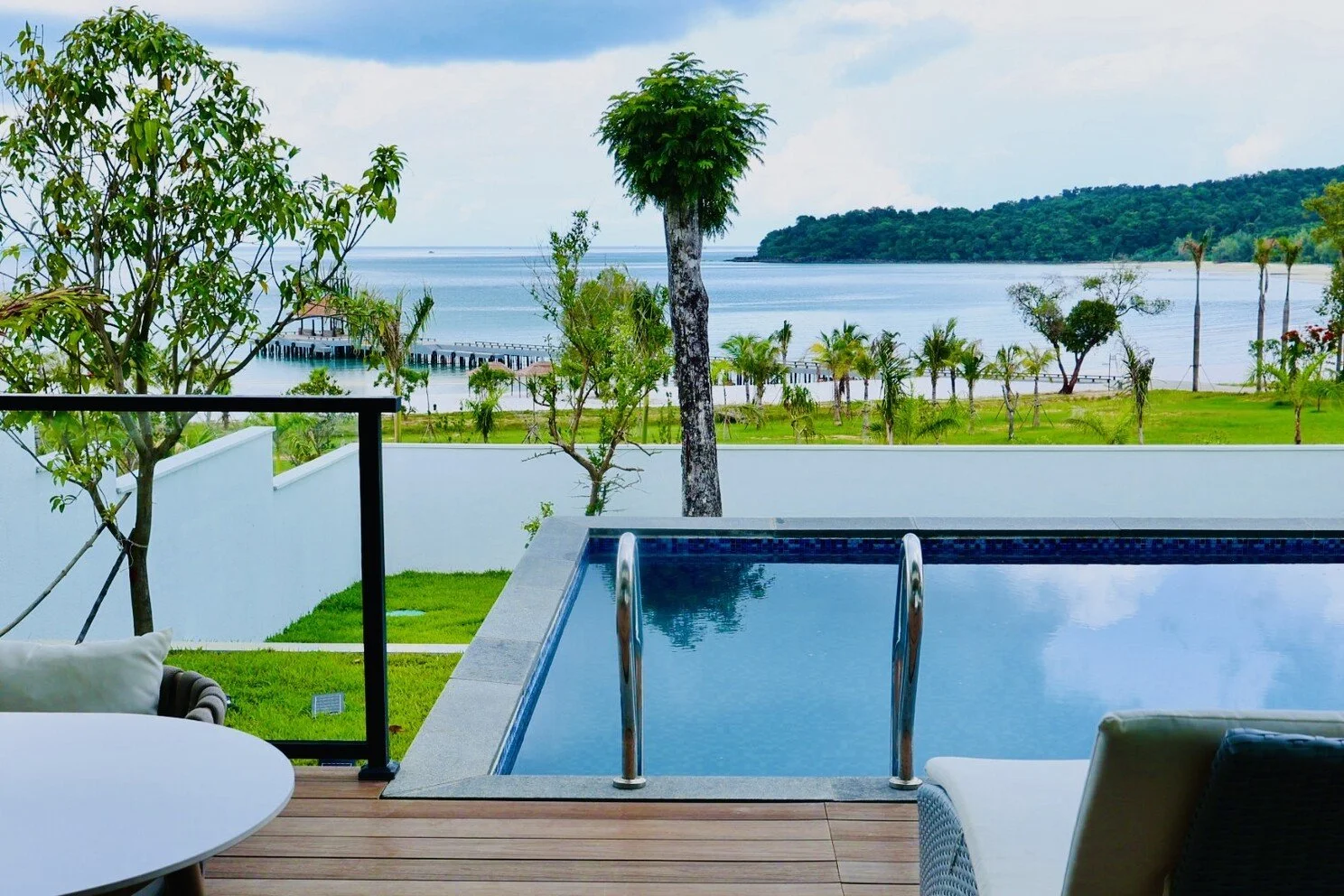
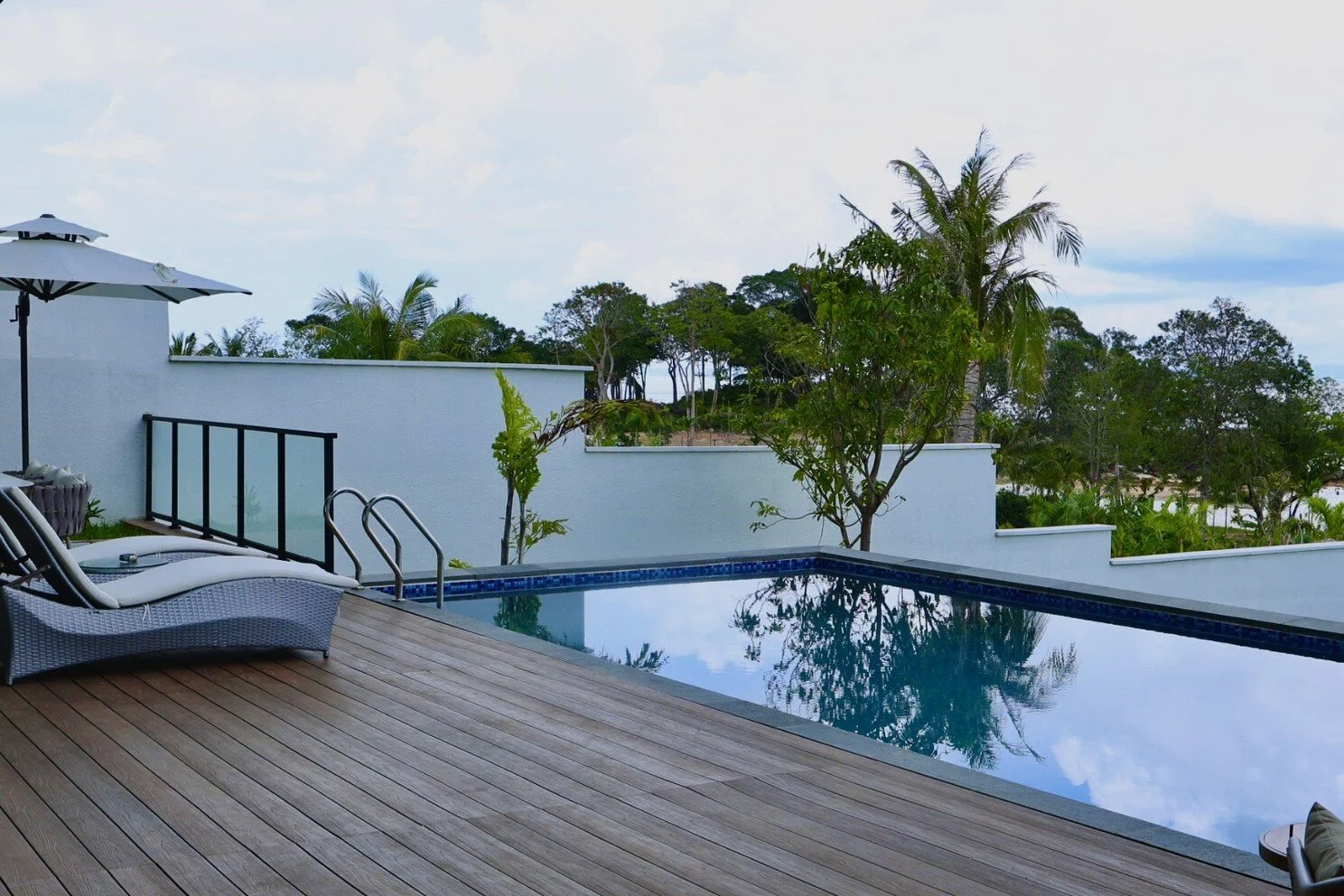
Part of what makes this market interesting is that it doesn't require estate-level capital to participate. The Princess Bungalow collection opens ownership from roughly $170,000 — a single-key unit with a complimentary sea-view terrace, positioned as the lowest-friction way into the island. From there, Prince villas begin around $620,000 with private pools and gardens on their own land. Queen villas move into the $1.1–1.45 million range with substantially larger plots. At the top, King Estate villas — the only tier with private beach frontage — sit between $4.05 and $4.65 million.
That spread matters for portfolio thinking. It means exposure to this coastline can be sized to strategy, from a smaller entry position to a flagship holding, without changing the underlying thesis.
Scarcity that's structural, not marketed
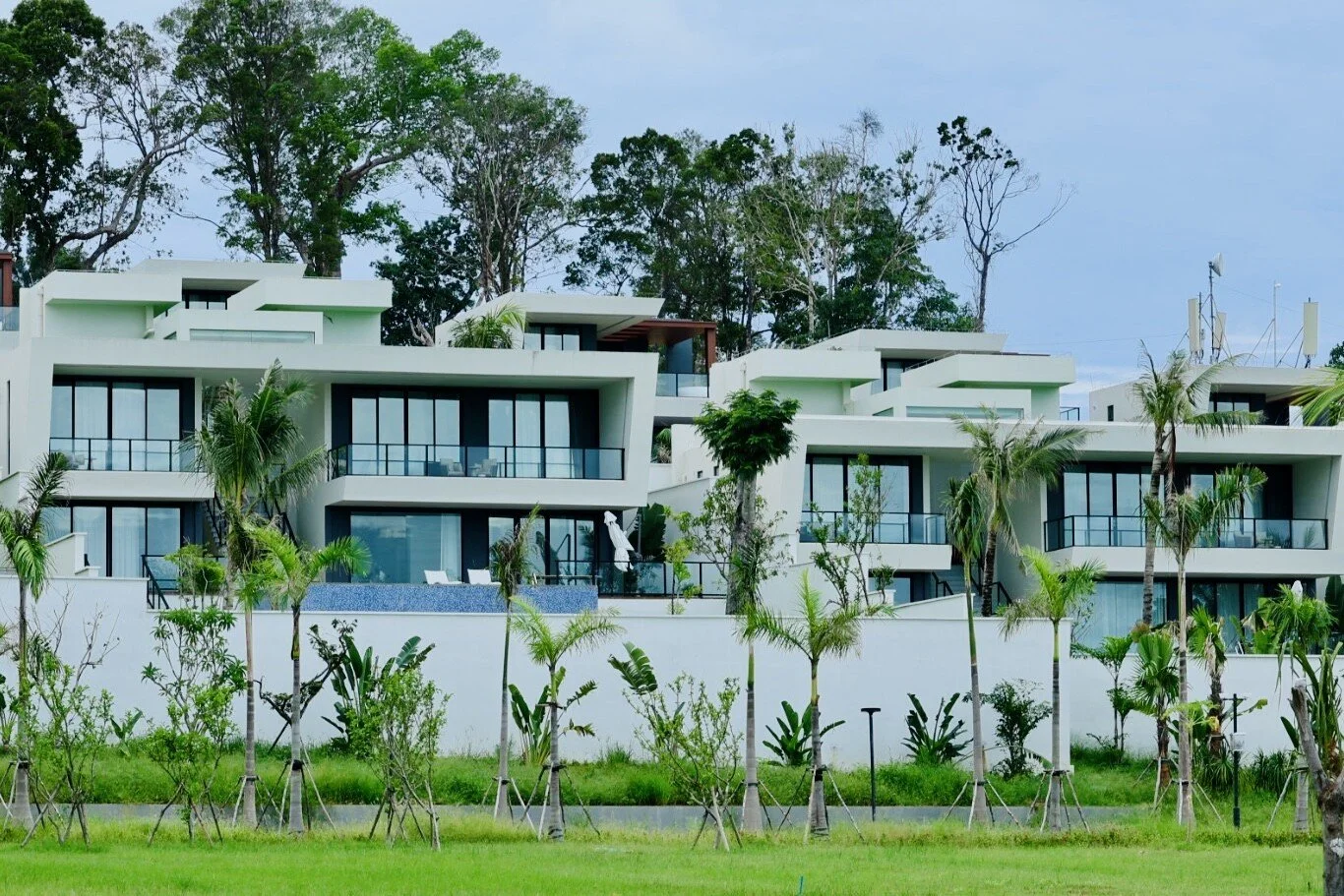
A lot of "limited availability" language in real estate is just a sales tactic. Here it's closer to a fact of the site plan. The entire Xanadu project totals 37 units across the island; of the villa tiers with land and private beach, Queen and King units combined number just 9 across the whole development — with only 2 King E and 2 King F estates in existence, full stop. Land parcels of this scale, this close to protected coastline, with beach frontage attached, are not a category the market can simply produce more of once this release is sold.
For an investor, that's the difference between an asset that competes against future supply and one that doesn't have any coming.
What to verify before committing
None of this replaces due diligence. Foreign ownership structure, title and land rights, the legal relationship between the developer entities named in the sales materials, and the actual mechanics of the management contract should all be confirmed through formal documentation before any capital moves. A strong location and a compelling return structure are necessary conditions for a good investment — they aren't sufficient ones without the paperwork to match.
The bottom line
Coastal real estate rewards patience and scarcity more reliably than almost any other asset class — the coastline itself is the one thing that never gets built more of. Xanadu is positioned at the early edge of a market where the infrastructure story is already real, the supply is genuinely capped, and the income structure gives owners a reason to hold rather than simply hope for appreciation. For investors who see the coast not as a lifestyle indulgence but as a long-term position, that combination is worth a serious look.
— Hoem Seiha ERA Cambodia | Curator of Luxe Residences
Want the full investment terms and current unit availability? Reach out directly — inventory at the Queen and King tiers is limited and moving.
📞 +855 10 699 553
💬 Telegram: t.me/hoemseiha_era
💬 WhatsApp: wa.me/85510699553
