
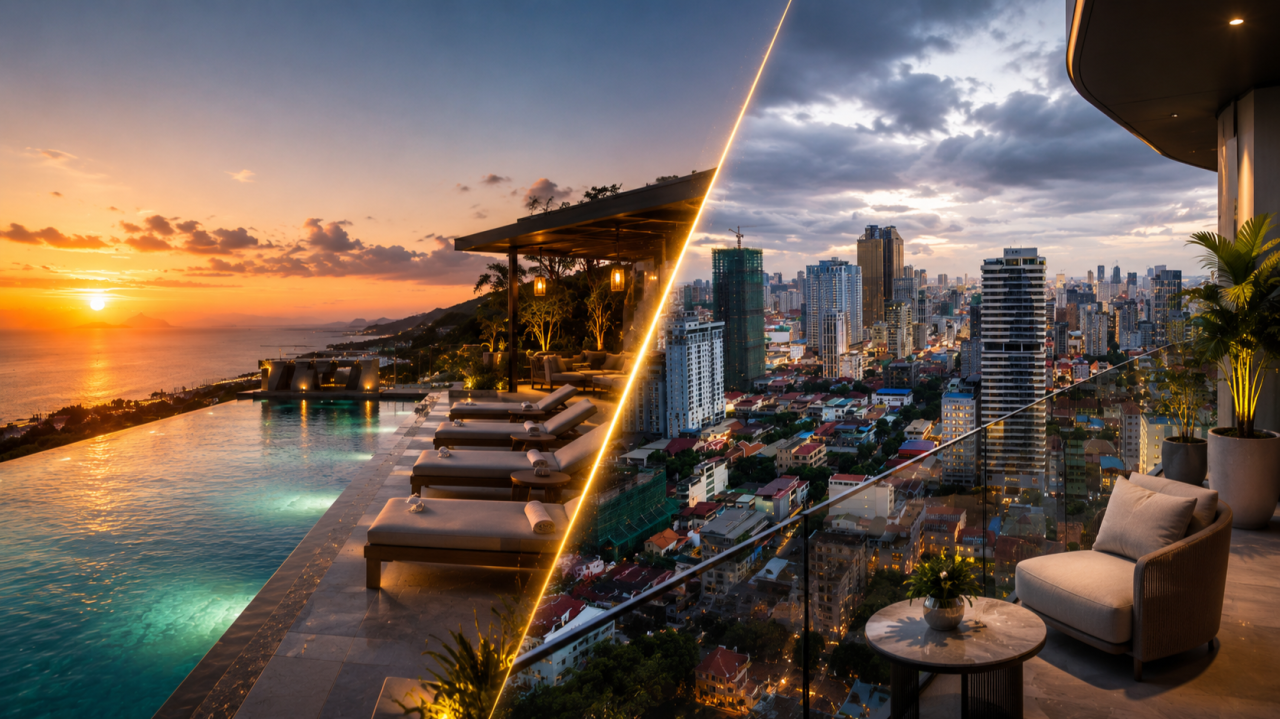
One of the most interesting conversations I have with luxury buyers usually begins with a simple question.
"If I have around US$1.7 million to spend, where should I buy?"
On paper, the answer appears straightforward. A penthouse in the heart of Phnom Penh's prestigious BKK1 district. Or a full-floor penthouse overlooking the Gulf of Thailand in Kep.
Both cost almost the same. Both are rare. Both are luxurious. Yet they represent two completely different philosophies of living.
As someone who has spent years curating luxury residences across Cambodia, I have learned that comparing these two properties purely by asking price misses the point entirely.
The more meaningful question is not:
"Which one is cheaper?"
It is:
"What does each dollar actually buy?"
The Two Contenders
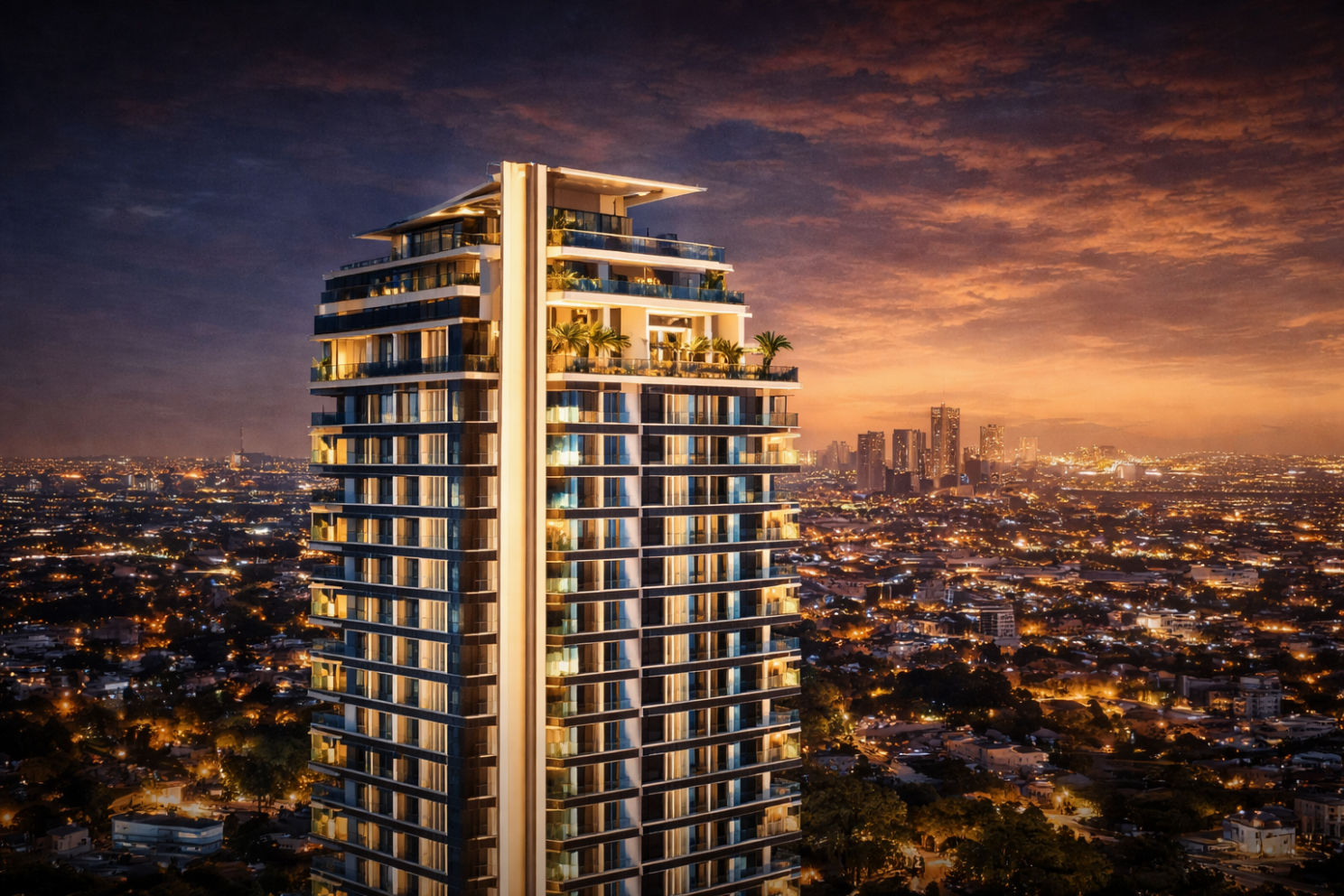
The first residence is located in Phnom Penh's BKK1 district.
The 352 Platinum I offers one of the city's largest penthouses, occupying approximately 567 square metres, with a dramatic 7.2-metre double-height living room and panoramic city views.
The asking price is approximately US$1.77 million.
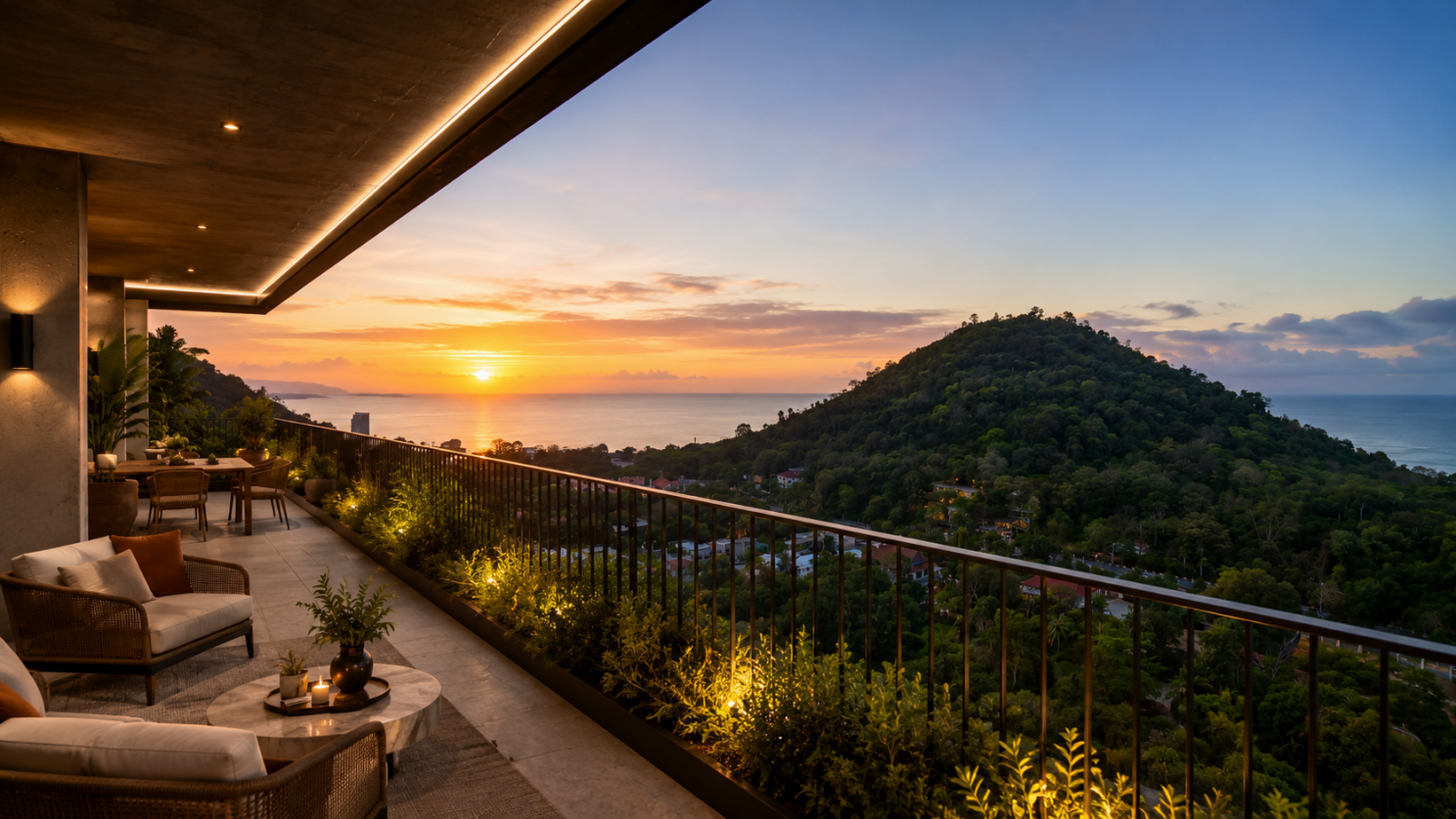
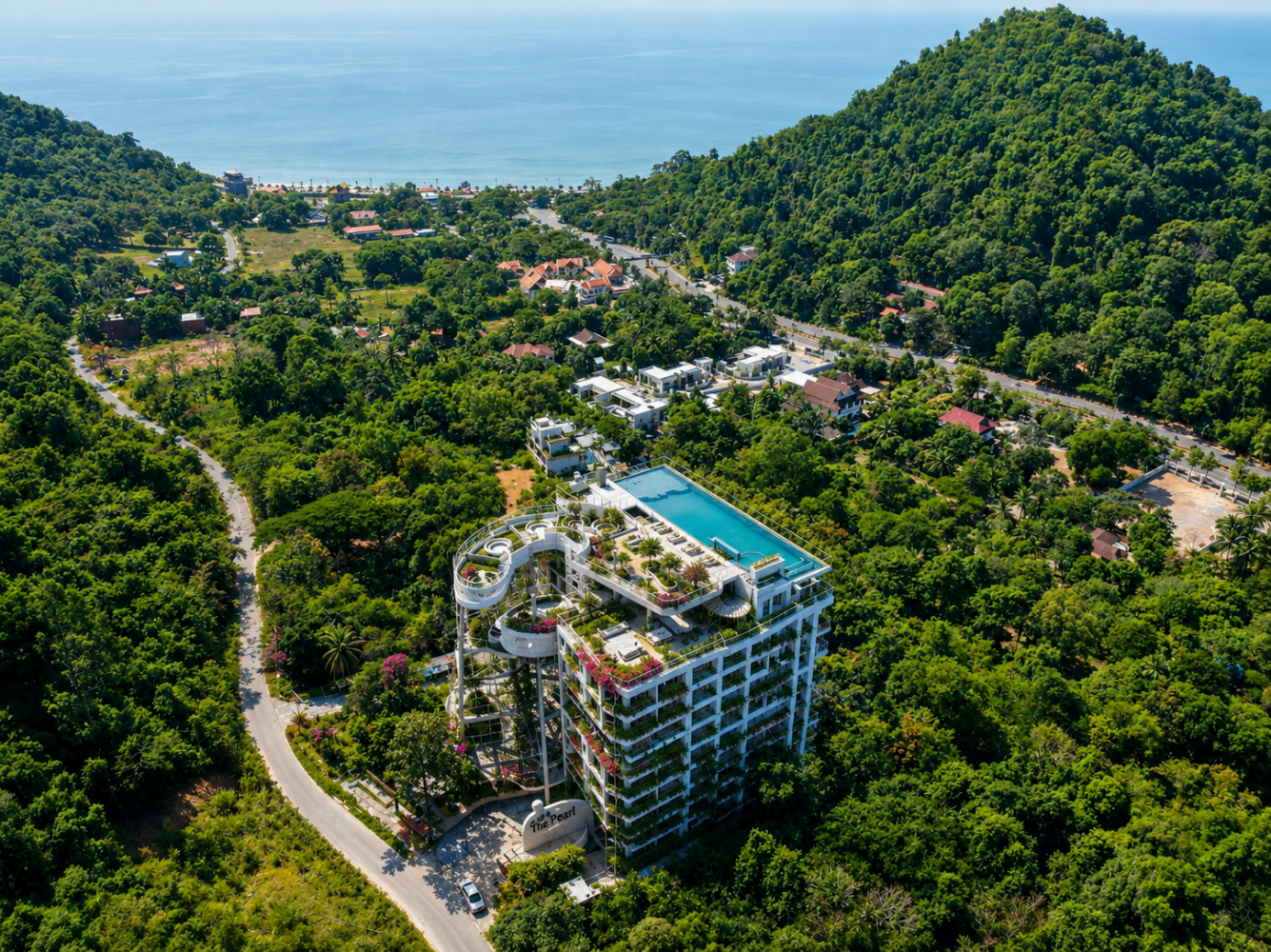
The second residence is the Signature Penthouse at The Pearl of Kep.
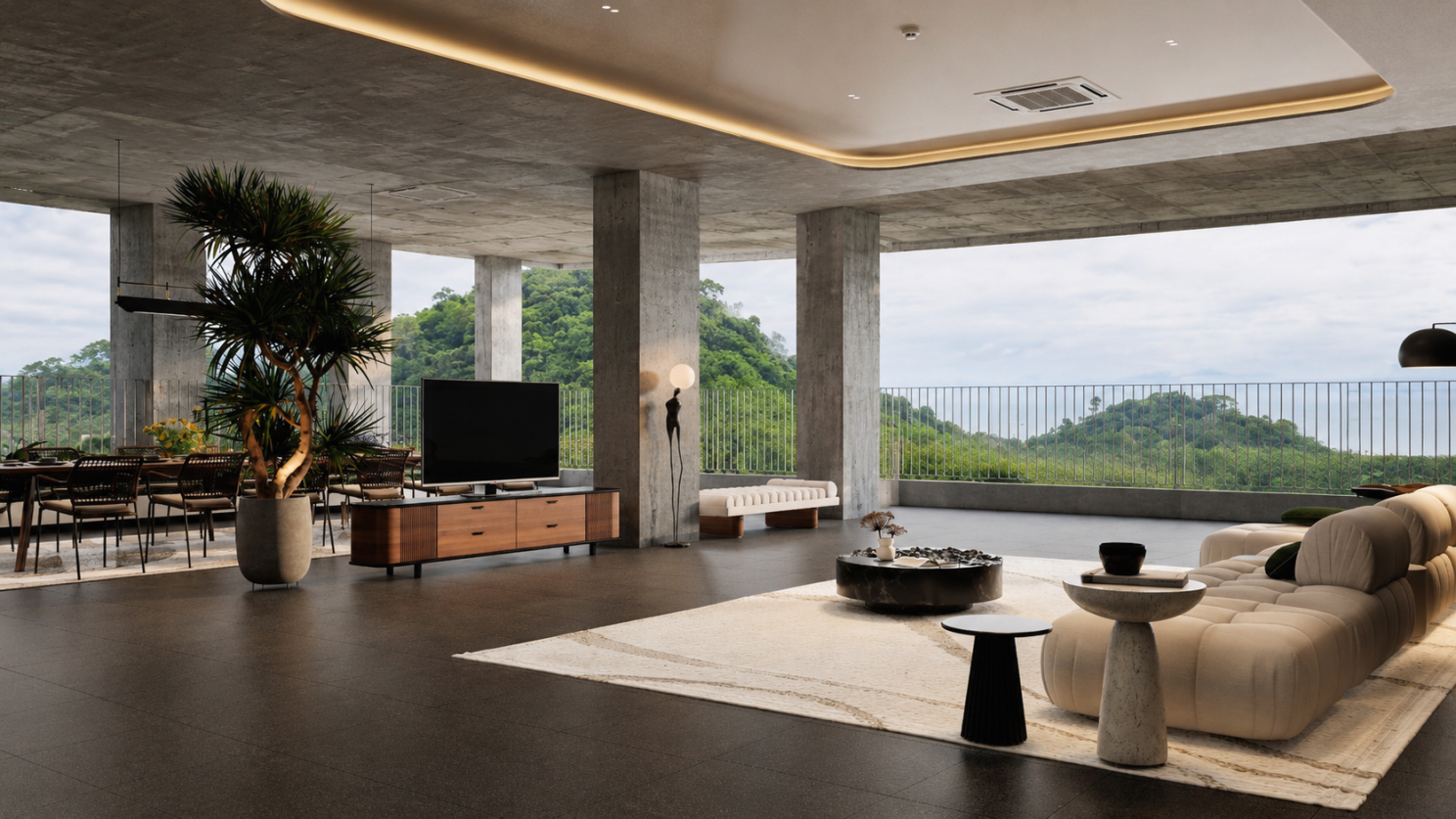
Occupying an entire floor of the building, it provides approximately 633 square metres of net usable space, overlooking the Gulf of Thailand, Kep National Park and Cambodia's southern coastline.
Its fully furnished package is priced at approximately US$1.75 million.
At first glance, they appear remarkably similar.
The similarities, however, end there.
Urban Skyline or Coastal Horizon?
Luxury real estate is often defined by location. But location is more than a map. It defines how owners experience everyday life.
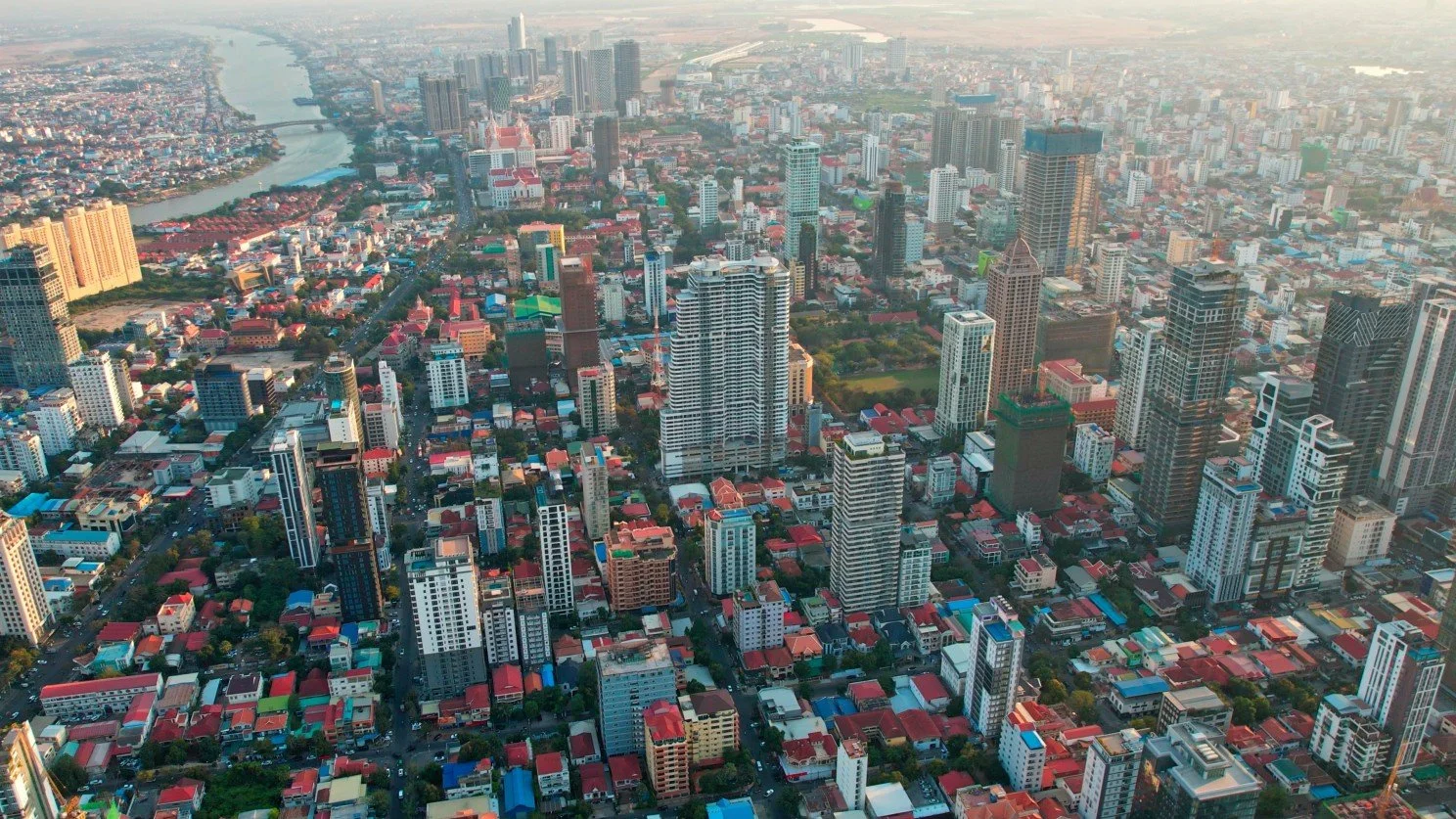
The BKK1 penthouse sits within Cambodia's most established urban district.
Outside its doors are embassies, international schools, premium restaurants, business offices and one of the country's most vibrant neighbourhoods.
It is ideal for buyers whose lives revolve around business, networking and city convenience.
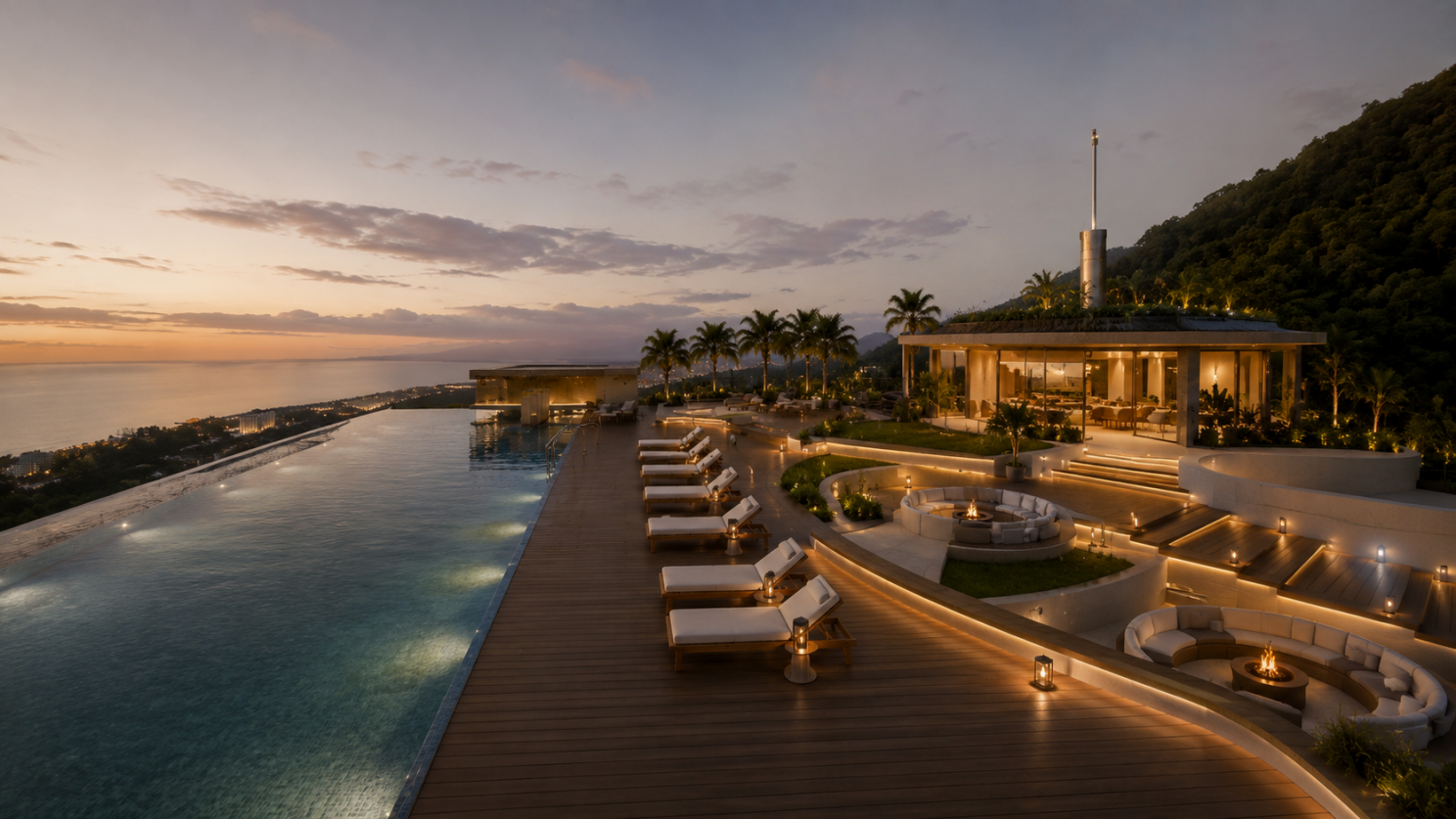
The Pearl of Kep offers something fundamentally different. Its surroundings are not built by developers. They are created by nature.
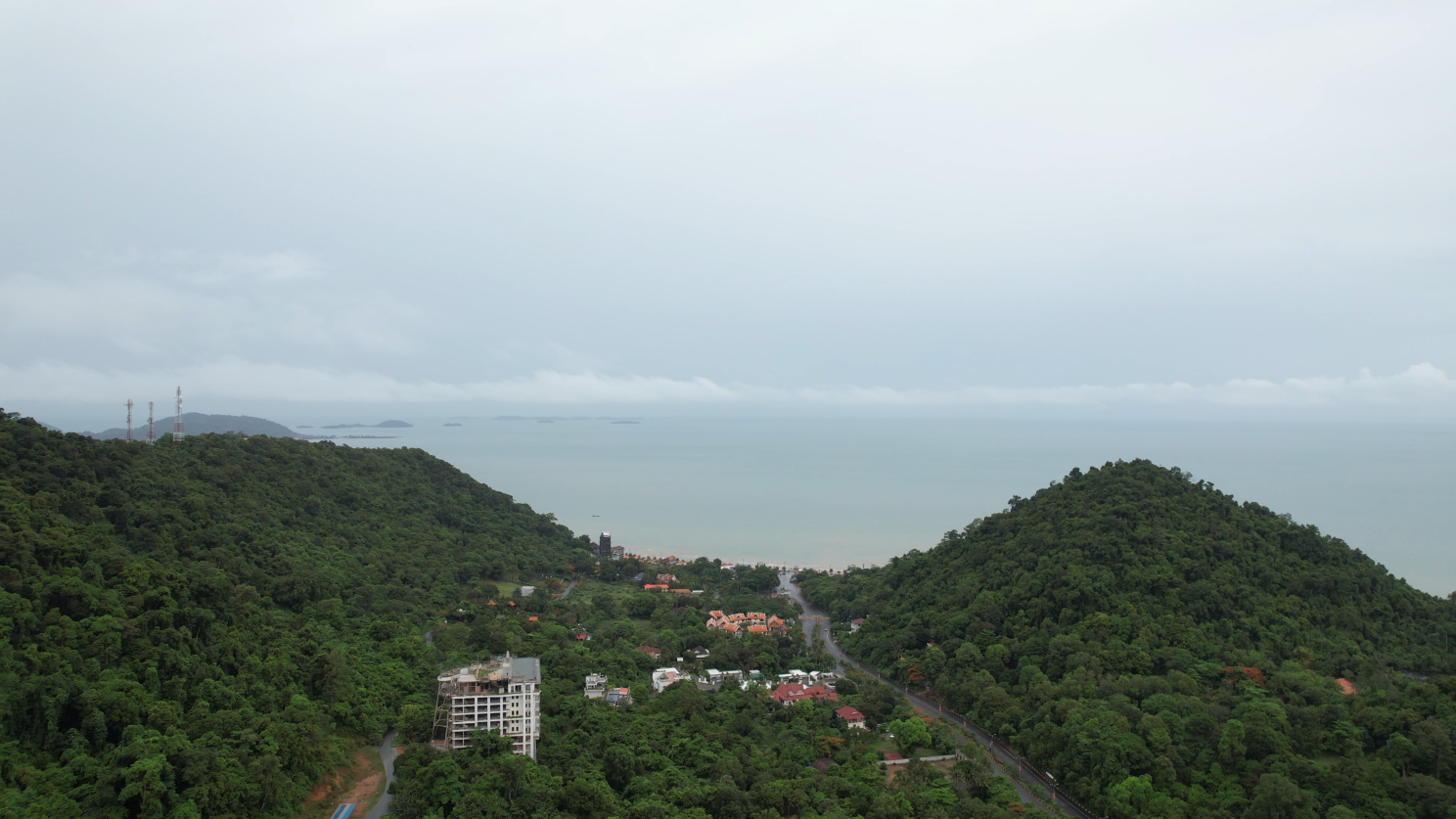
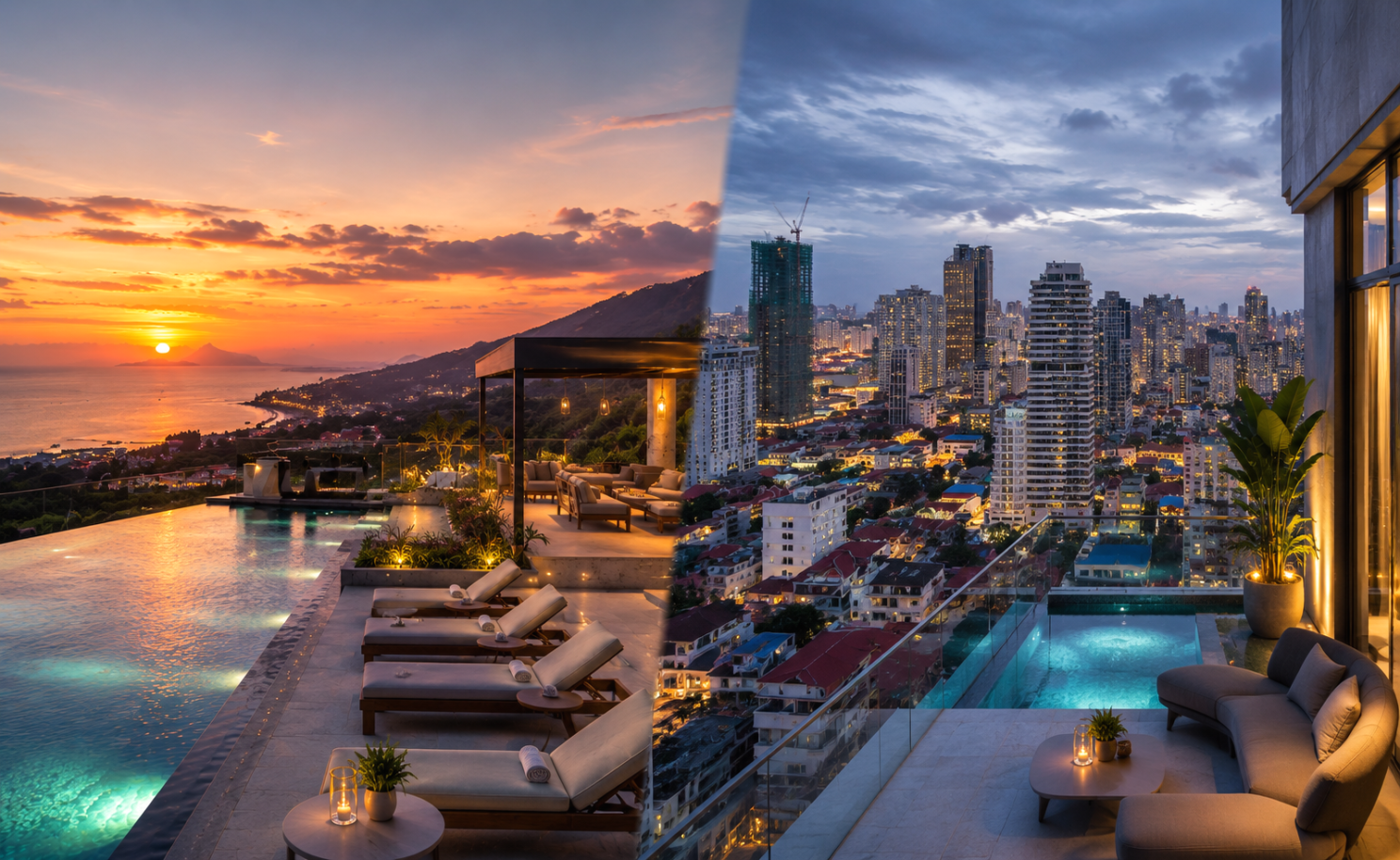
Instead of city lights, the residence overlooks the beautiful ocean. Instead of neighbouring towers, it faces forested hills. Instead of traffic, it opens towards sunsets, sea breeze and the calmness of Kep National Park.
Both locations are premium. They simply represent different definitions of luxury.
The Hidden Cost That Buyers Often Ignore
The headline price tells only part of the story.
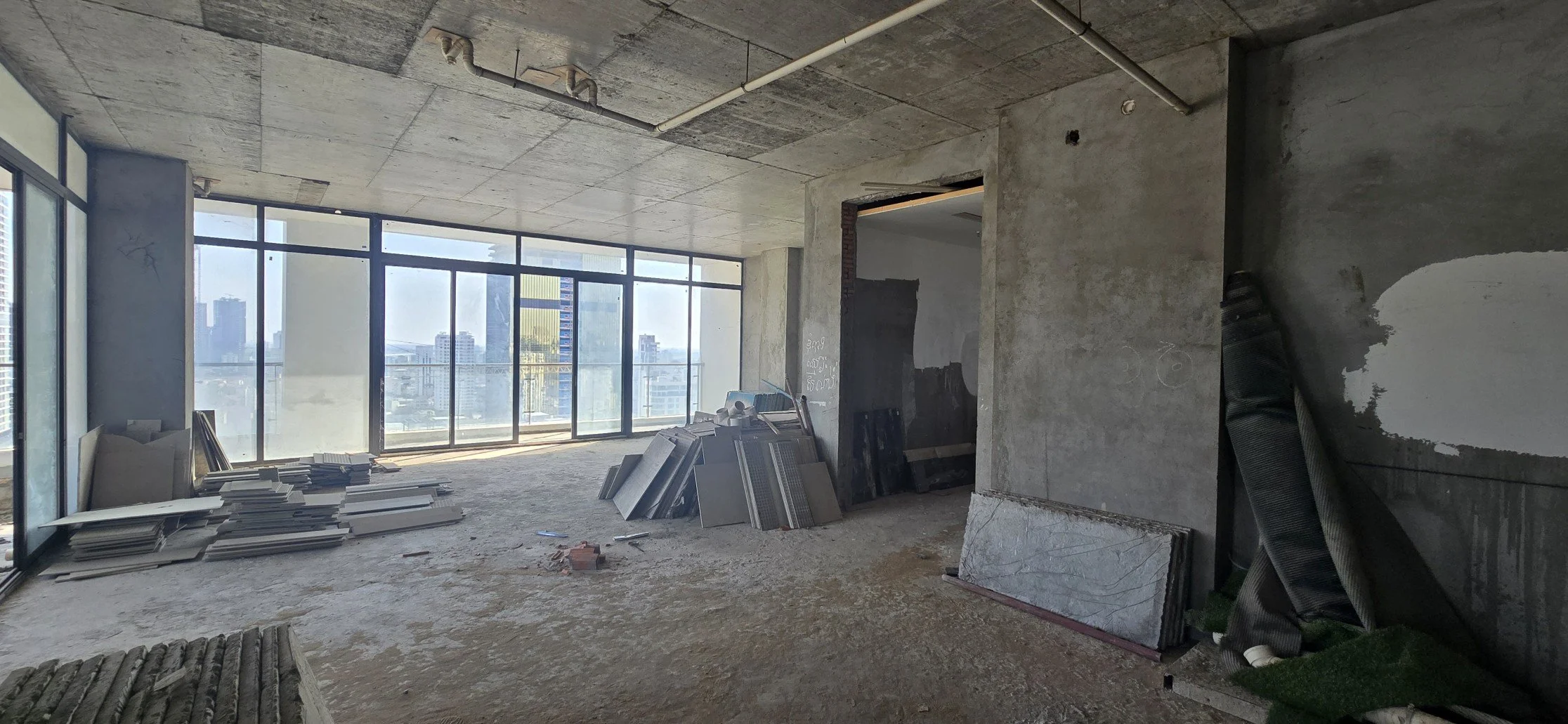
The Phnom Penh penthouse is delivered as a bare unit. This gives buyers tremendous creative freedom.Architects can redesign every room. Interior designers can create a completely bespoke residence. For many buyers, this flexibility is highly desirable.
However, flexibility also comes with additional investment.
A luxury interior for a penthouse of this scale can easily require several hundred thousand US dollars, depending on design ambition, imported materials, specialist systems and furnishings.
The project itself then becomes another undertaking:
Design appointments
Contractor selection
Material procurement
Furniture sourcing
Construction supervision
Unexpected variations
Months of decision-making
The actual investment is no longer the advertised purchase price. It becomes the purchase price plus the cost, time and complexity of creating the residence.
The Pearl of Kep approaches the question differently. Its penthouse is offered as a fully furnished package.
The residence is conceived as a complete living environment rather than an empty architectural shell.
For buyers who value immediate enjoyment over lengthy customisation, this difference becomes significant.
Space Matters. Usable Space Matters More.
Luxury buyers often compare total floor area.
However, usable living area is frequently more important than gross size.
The Phnom Penh penthouse provides approximately 406 square metres of private internal area within a total area of about 567 square metres.
The Pearl of Kep offers approximately 633 square metres of net usable floor area across an entire private level.
That difference changes how the residence can actually be lived in. It is not simply a matter of numbers. It affects circulation, privacy, entertaining, family living and the overall sense of openness.
The Value of What Cannot Be Built
Luxury architecture can always be redesigned. Interior finishes can always be upgraded. Furniture can always be replaced.
What cannot easily be recreated is the surrounding environment. A skyline can evolve. Neighbouring buildings may rise. Urban districts continue to change.
By contrast, certain natural assets remain exceptionally difficult to reproduce:
An uninterrupted sea horizon
Protected hillsides
National park greenery
Sunsets over the tranquil ocean
Natural sea breeze.
These are not architectural features. They are geographic advantages. And geography is one of the few luxuries that cannot be manufactured.
Lifestyle as an Investment
Luxury buyers increasingly purchase experiences rather than simply floor area.
This global shift can be observed from Singapore and Dubai to Bali and the Mediterranean.
People are placing greater value on wellness, privacy and quality of life. Viewed through that lens, the comparison changes.
The BKK1 penthouse represents urban luxury:
Business convenience
Prestige
Connectivity
The Pearl of Kep represents lifestyle luxury.
Nature
Wellness
Retreat
Privacy
Second-home living
Neither philosophy is objectively superior. Each serves a different owner.
Scarcity Has Value
One factor often overlooked in luxury real estate is scarcity.
Large developments may contain hundreds of apartments. Luxury penthouses are naturally fewer.
The Pearl of Kep goes one step further. The development comprises only 77 residences, with a single signature full-floor penthouse.
Scarcity alone does not create value.
But when scarcity is combined with location, architecture and lifestyle, it becomes an important part of long-term positioning.
Which Buyer Is Each Property Really For?
After comparing both residences, I don't believe the answer lies in deciding which one is "better."
Instead, the answer lies in understanding which lifestyle each buyer is trying to create.
Choose the BKK1 penthouse if your priorities are:
living in Cambodia's premier urban district
immediate access to business and international amenities
designing a bespoke residence from the ground up
embracing metropolitan life
Choose The Pearl of Kep if your priorities are:
owning an entire private floor
waking to sea and mountain views rather than city towers
enjoying a fully completed luxury residence
creating a family retreat or legacy home
prioritising wellness, privacy and nature over density
These are not competing products. They are competing lifestyles.
The Real Question Luxury Buyers Should Ask
Perhaps the most important lesson from comparing these two remarkable penthouses is that luxury should never be measured by price alone. Nor should it be measured solely by square metres.
True luxury lies in everything that surrounds the residence:
The atmosphere
The environment
The time it saves
The memories it creates.
The feeling it delivers every single day.
Ultimately, both penthouses justify their prices.
One represents the pinnacle of urban Cambodia. The other represents a quieter vision of coastal luxury. Neither choice is wrong.
But they will lead their owners to very different ways of living. And perhaps that, more than anything else, is the true value of luxury real estate.
Curated by Hoem Seiha Curator of Luxe Residences | ERA Cambodia
📞 +855-10-699-553
💬 Telegram: t.me/hoemseiha_era
💬 WhatsApp: wa.me/85510699553
