
In Cambodia’s real estate conversation, attention often goes first to Phnom Penh, Siem Reap, or Sihanoukville.
Phnom Penh represents business, density, and urban convenience. Siem Reap represents culture and tourism. Sihanoukville represents Cambodia’s larger coastal economy and gateway infrastructure.
Kep is different.
It is smaller, quieter, greener, slower, and more emotionally intimate. Its appeal is not built around scale. It is built around atmosphere.
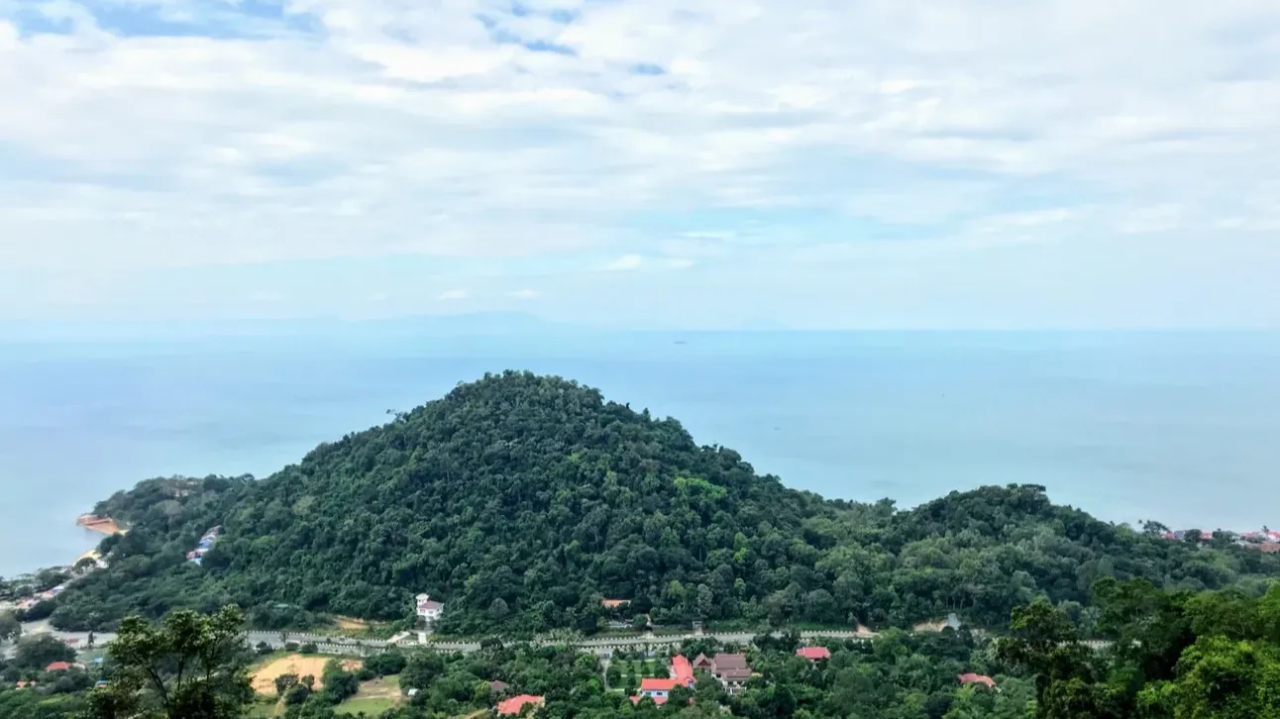
For foreign buyers considering property in Kep — especially a lifestyle-oriented project such as The Pearl of Kep — the province should not be understood as a conventional mass-market real estate destination. It should be understood as Cambodia’s boutique coastal retreat: a place shaped by sea views, forested hills, seafood culture, low-density surroundings, and a long-standing identity as a place of escape.
Kep is not for everyone.
And that is precisely why it matters.
A Small Province With a Distinct Coastal Identity
Kep is one of Cambodia’s four coastal provinces, along with Preah Sihanouk, Kampot, and Koh Kong. It is also Cambodia’s smallest province by land area and population. A coastal investment profile describes Kep as having 12 islands, about 27 kilometers of coastline, a total land area of 209.94 square kilometers, and a population of over 45,000 as of 2023. The province is administratively compact, with one city, one district, five communes, and sixteen villages.
This small scale is important.
For many investors, smallness may initially seem like a limitation. But in lifestyle real estate, smallness can also become part of the value. Kep’s lower density helps preserve the very qualities that many buyers increasingly seek: quietness, nature, privacy, and emotional distance from urban intensity.
Kep is not trying to be Cambodia’s largest coastal city.
Its stronger identity is more refined: a compact, nature-oriented coastal province with a retreat-like lifestyle character.
The Lifestyle Appeal: Sea, Hills, Islands, and Calmness
Kep’s appeal is not based on one single attraction.
It is the combination of natural and cultural elements that gives the province its charm:
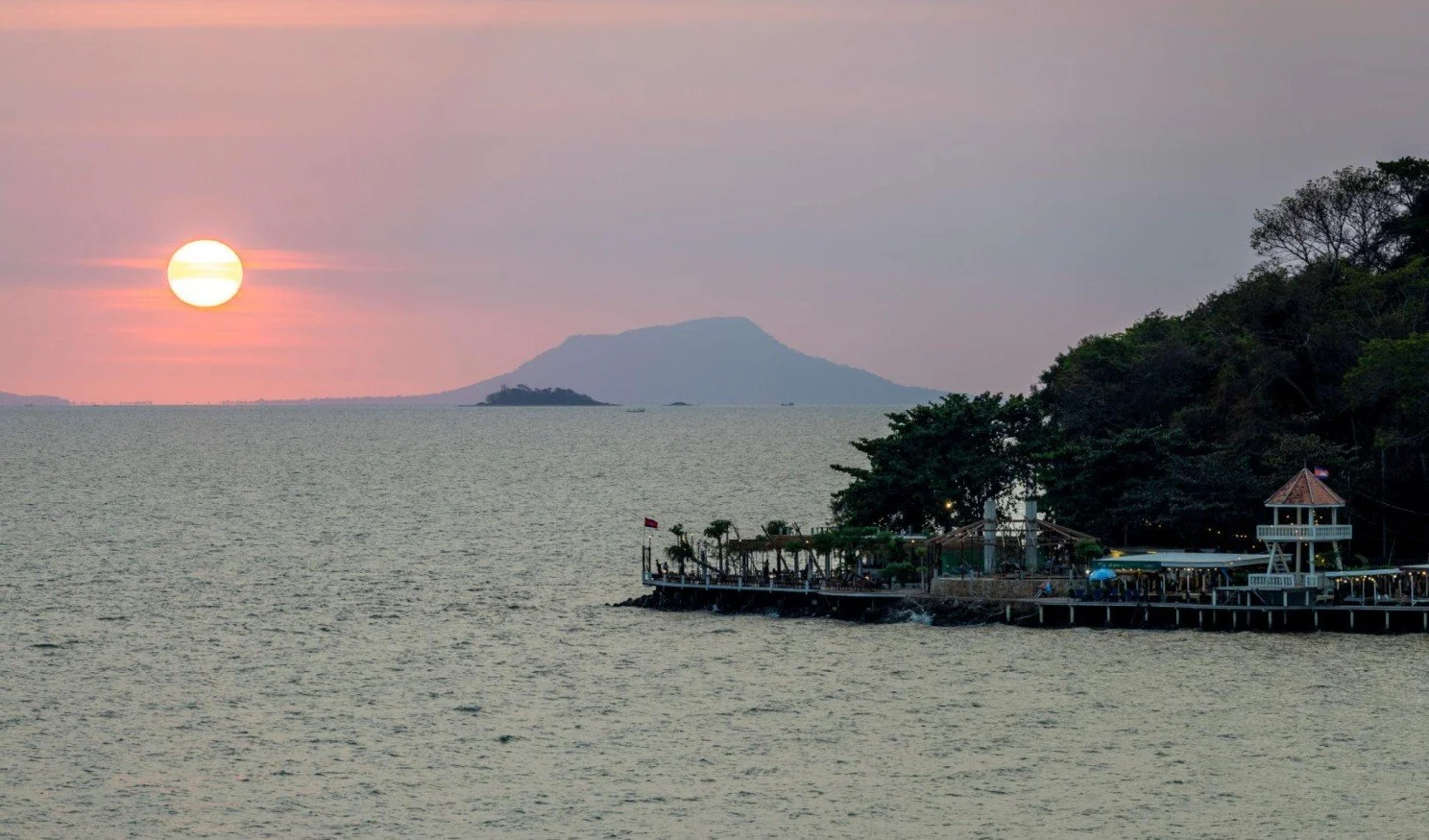
ocean horizon, forested hills, Kep National Park, Rabbit Island, seafood culture, salt fields, mangroves, nearby Kampot pepper country, and a slower seaside rhythm.
Tourism Cambodia describes Kep as a former popular beach town, with Rabbit Island only a short boat ride away, national park greenery, seafood — especially crab — and views of mountains and beaches. It also notes that Kep has seen something of a renaissance, with mid-range and luxury guesthouses and bungalows opening or under construction.
For foreign buyers, this matters because Kep’s lifestyle value is not only about beachfront. In fact, some of Kep’s strongest experiences are hillside-based. From elevated positions, residents and visitors can experience the coastline, greenery, airflow, sunset, and quietness together.
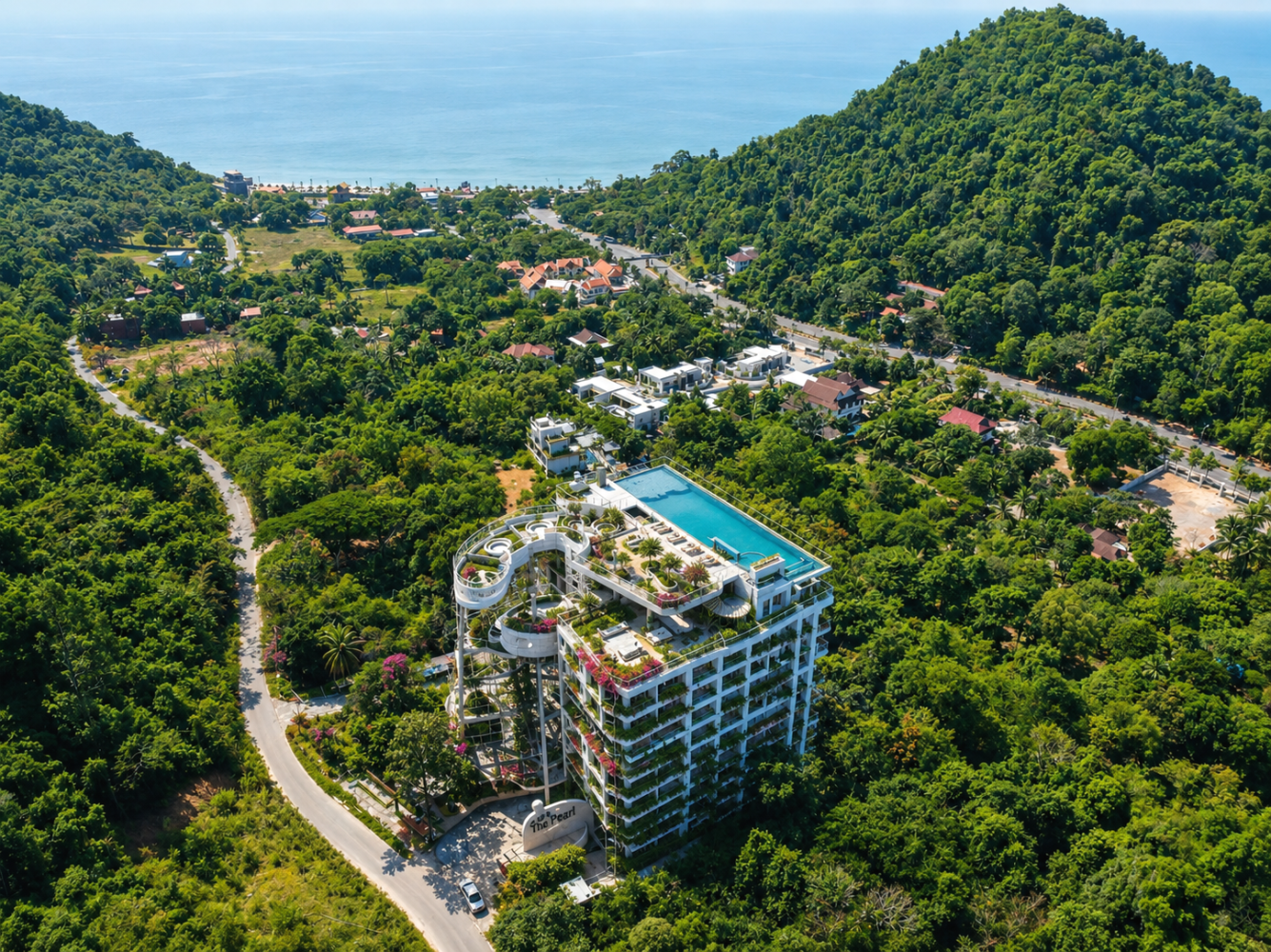
That is exactly why The Pearl of Kep’s hillside positioning is important. The project does not rely only on a sea-view story. It connects to a wider landscape: sea, hills, greenery, elevation, and atmosphere.
Government Direction: High-End, Nature-Based Tourism
Kep’s future direction is also aligned with a higher-value, lower-impact tourism model.
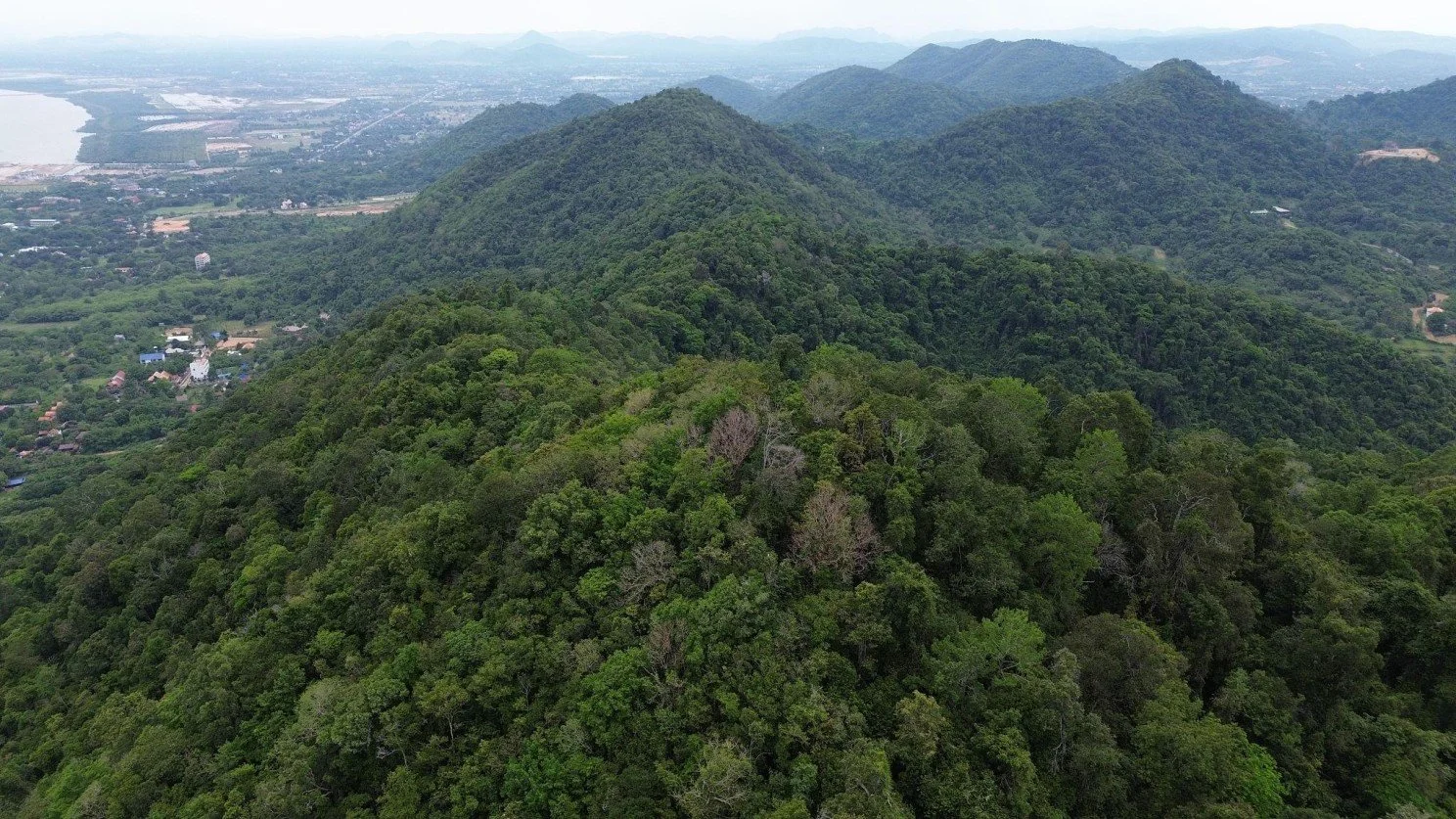
The coastal investment profile states that Kep is shaping a unique tourism identity by blending coastal charm, wellness, eco-experiences, cultural authenticity, upgraded infrastructure, expanded tourist routes, high-end tourism offerings, sustainability, and lifestyle appeal. It also highlights Kep’s potential in luxury wellness resorts, coastal recreation, agri-tourism, premium pepper, sea salt, seafood, and tropical fruits.
This is highly relevant for property buyers.
A destination does not become valuable only because land or buildings exist. It becomes valuable when its identity becomes clear. Kep’s clearest identity is not mass tourism. It is nature-based, wellness-oriented, boutique, calm, and coastal.
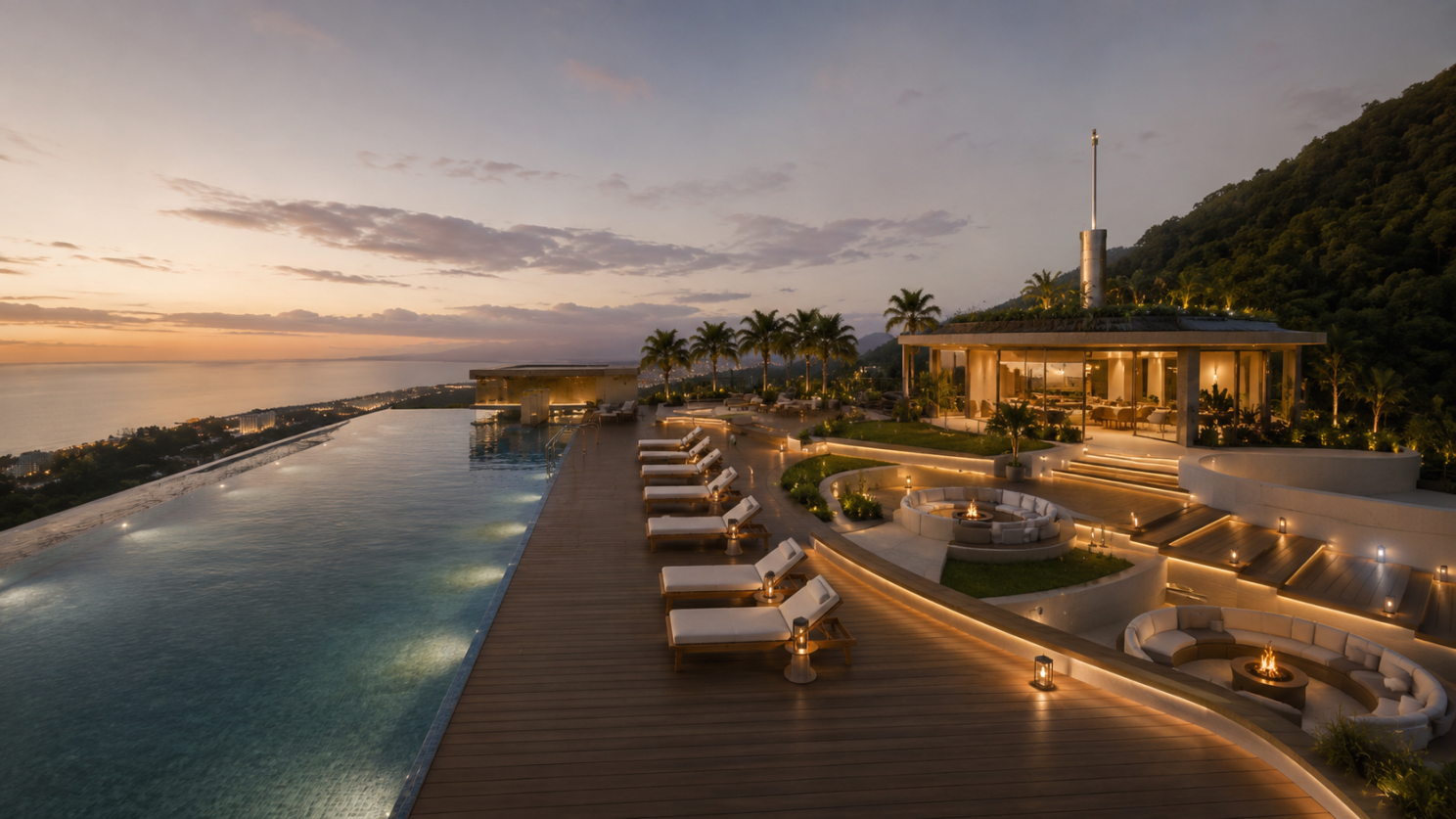
This profile fits The Pearl of Kep’s positioning very closely. The project is designed around hillside living, ocean and hill views, low-density ownership, lifestyle amenities, and nature-integrated experience. Its project materials describe The Pearl of Kep as a boutique low-density residential condominium with a lifestyle and investment hybrid positioning, with residences from Levels 2 to 8 and a full-floor penthouse on Level 9.
Cambodia’s Tourism Recovery Supports the Bigger Picture
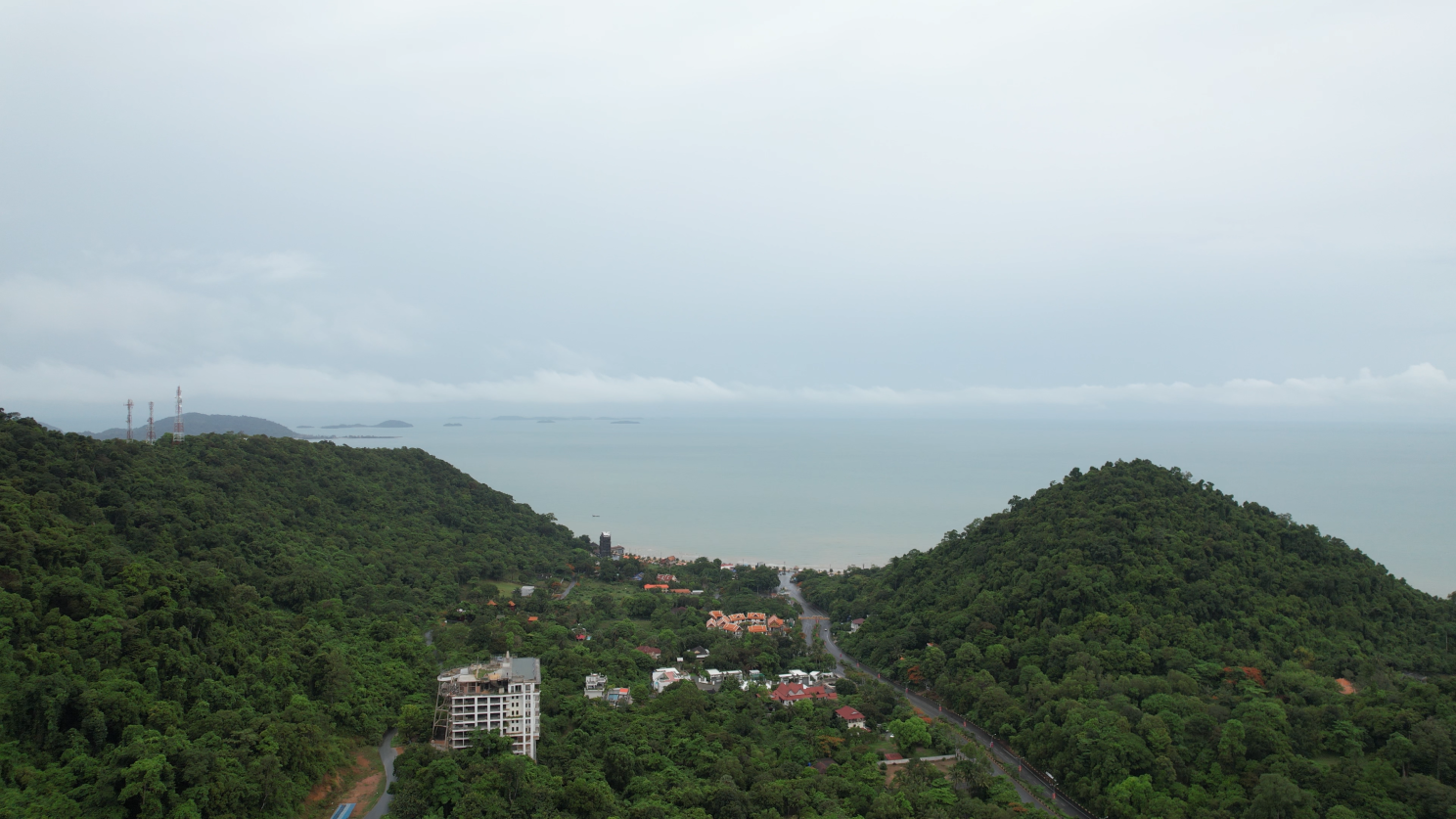
Cambodia’s broader tourism sector has been recovering. In 2024, Cambodia received 6.7 million international tourists, up 22.9 percent from the previous year, while tourism revenue reached US$3.63 billion. AKP also reported that Cambodia’s coastline stretches about 450 kilometers across Preah Sihanouk, Kampot, Kep, and Koh Kong, and the Ministry of Tourism targeted 7.2 million to 7.5 million international tourists in 2025.
Kep should be viewed within this broader recovery — but with an important distinction.
It is not yet a mature international resort market like Phuket, Bali, or Da Nang. It is also not as commercially intense as Sihanoukville. Kep remains quieter, smaller, and more domestic / regional in character.
For some buyers, that may be a limitation. For others, it is exactly the opportunity.
Kep’s strongest potential is not in becoming a crowded coastal city. Its stronger potential is in becoming a refined boutique lifestyle destination for buyers who value nature, privacy, wellness, and long-stay coastal living.
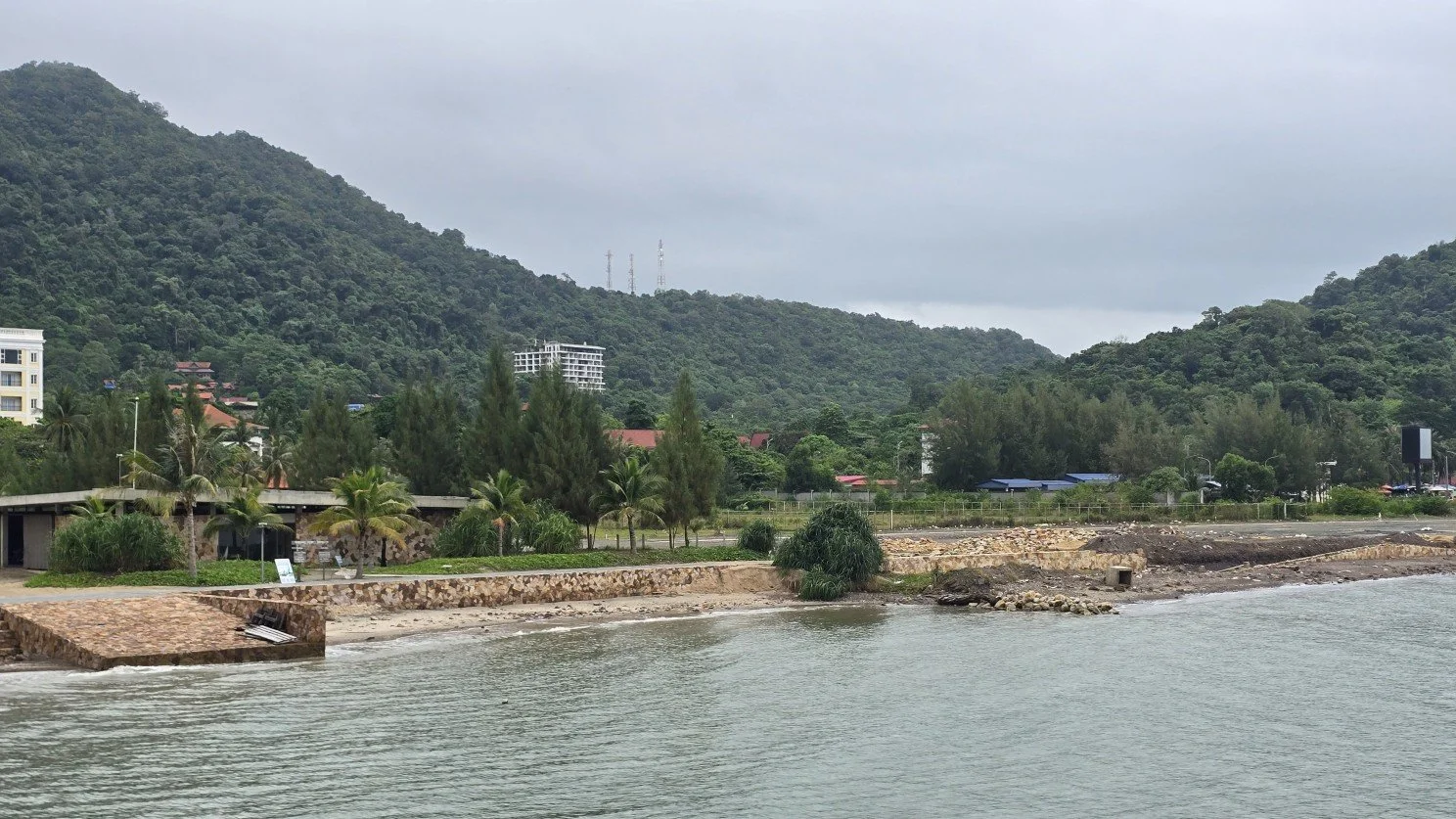
The Lodging Market: Boutique Rather Than Mass Tourism
Kep’s lodging and resort industry provides one of the strongest clues to understanding the province’s real estate potential.
According to Ministry of Tourism data compiled by CEIC, Kep recorded 20 hotels in 2024. The same data series shows that Kep had 420 hotel rooms in 2024.
These numbers are modest compared with Cambodia’s larger tourism centers. But that modest scale helps explain Kep’s identity.
Kep is not a mass hotel market. It is a boutique hospitality market.
Its successful hospitality concepts tend to sell atmosphere rather than scale: quietness, design, sea views, hillside greenery, wellness, privacy, architecture, and emotional escape.
This is important for The Pearl of Kep because the project is not trying to become a normal city condominium by the sea. It fits the same lifestyle logic that already exists in Kep’s hospitality sector.
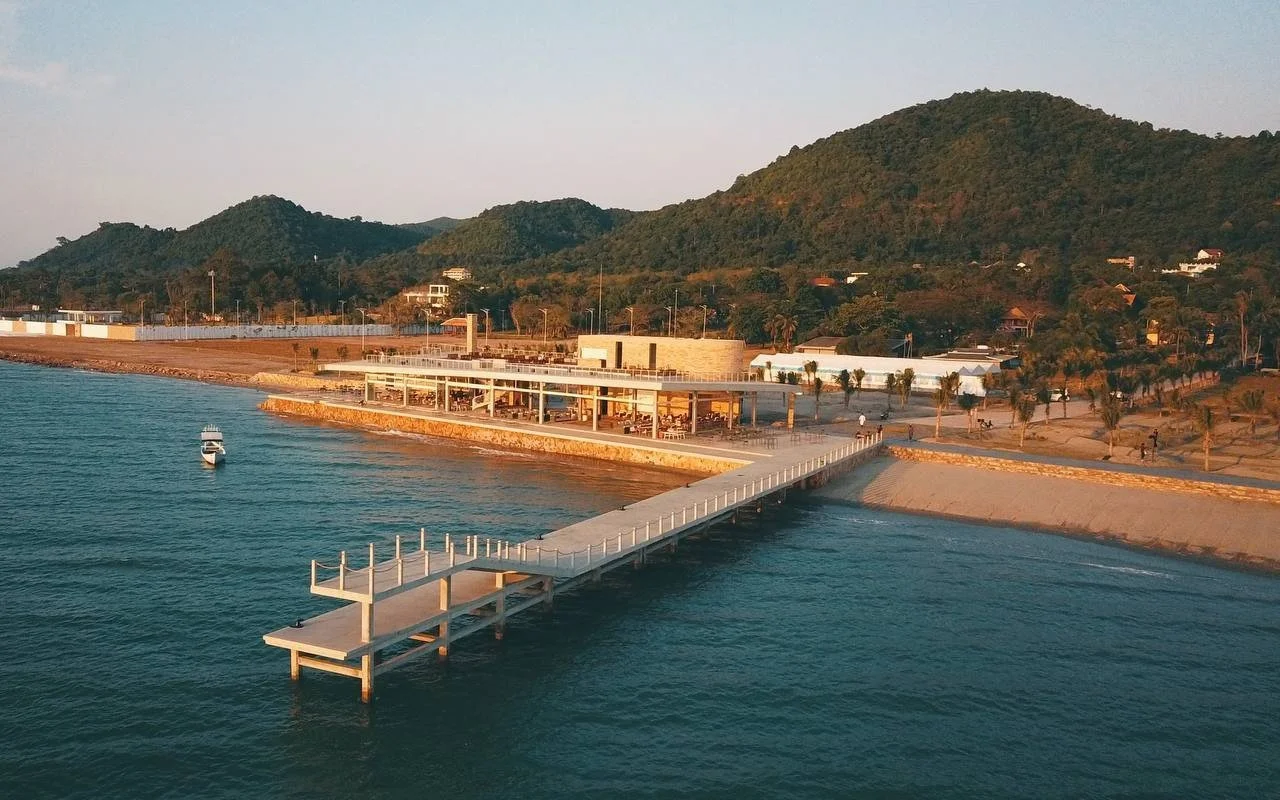
Knai Bang Chatt: Proof of Boutique Luxury by the Sea
One of Kep’s most important hospitality success stories is Knai Bang Chatt.
The resort positions itself as a regenerative luxury escape and describes itself as a sanctuary by the sea where nature sets the pace. Its official website notes that it has only 18 rooms and is designed for relaxation, privacy, exploration, wellness, gastronomy, and connection with the local community and culture. It also highlights restored coastal villas, heritage character, regenerative travel, and sustainable hospitality.
This is significant because it proves something very important about Kep:
premium buyers and travelers do not come to Kep only for large-scale resort infrastructure. They come for understated luxury, privacy, sea atmosphere, design character, and emotional calmness.
That is directly relevant to The Pearl of Kep.
Knai Bang Chatt validates the idea that Kep can support low-density, boutique, high-value hospitality. The Pearl of Kep translates that same lifestyle thesis into private ownership.
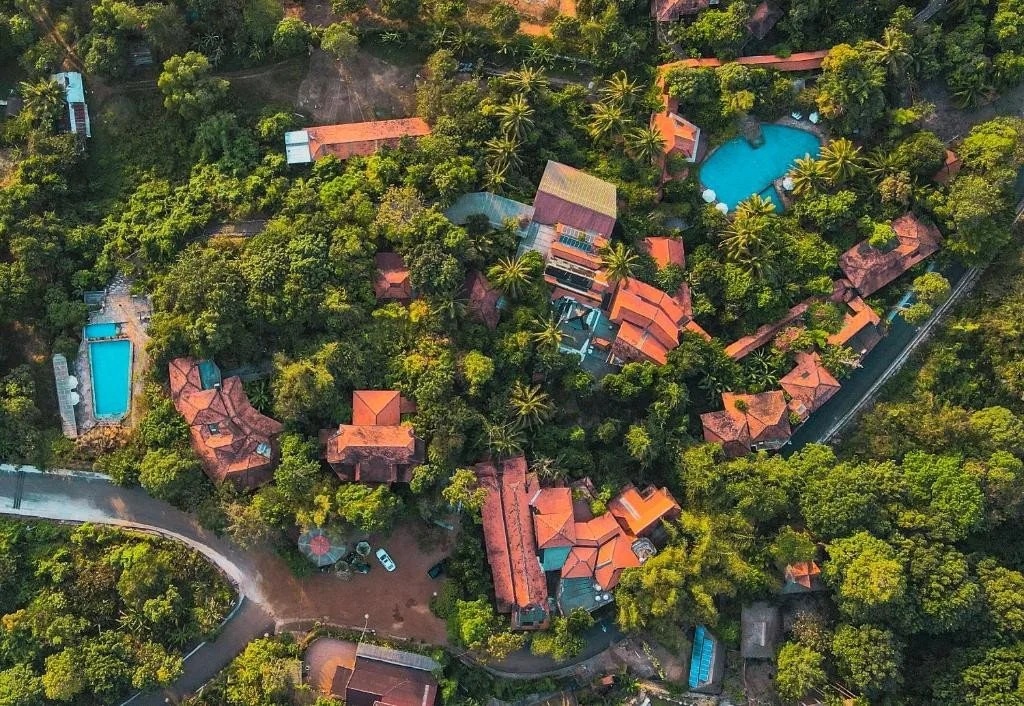
Veranda Natural Resort: Proof of Hillside Nature Appeal
If Knai Bang Chatt validates Kep’s boutique coastal appeal, Veranda Natural Resort validates its hillside nature appeal.
Veranda’s facilities include a bakery, restaurant, swimming pools, bar, spa, and curated local shop. Its official facilities page highlights semi open-air dining with ocean and sunset views, a garden swimming pool nestled amid Kep National Park’s lush vegetation, and an infinity pool with views over the seaside and nearby islands.
This matters because it proves that Kep’s lifestyle demand is not only beachfront.
Many guests are drawn to elevation, greenery, hillside atmosphere, and views. They are choosing a living experience shaped by nature, not only proximity to the water.
That is exactly where The Pearl of Kep’s story becomes stronger.
The project’s hillside integration, panoramic views, natural airflow, and low-density environment are not abstract marketing ideas. They are aligned with a hospitality pattern that has already worked in Kep.
The Pearl of Kep: Residential Ownership of a Proven Lifestyle Pattern
When viewed through the lens of Kep’s lodging and resort market, The Pearl of Kep becomes easier to understand.
It is not simply a condominium project.
It is closer to a residential version of Kep’s proven boutique resort lifestyle.
The project’s own materials emphasize that only a portion of the development is sellable residential area, while a much larger share is allocated to lifestyle and experience spaces. The project presentation positions the development around lifestyle, nature amenities, commercial amenities, and a hillside residential concept rather than pure density maximization.
This is a critical point for foreign buyers.
Many property decisions are made by comparing price per square meter. That method is useful, but it does not fully capture lifestyle real estate. In a destination like Kep, buyers are not only buying interior space. They are buying access to a living environment: sea breeze, greenery, quietness, sunset, facilities, atmosphere, and emotional distance from city life.
That is why The Pearl of Kep should be evaluated differently from a standard urban condominium.
It is not only a property asset. It is a lifestyle asset.
Why This Matters for Foreign Buyers
Foreign buyers usually need more than a beautiful rendering before making a decision. They need to understand whether the destination itself makes sense.
For Kep, the answer depends on buyer intention.
Kep may not be the best match for buyers seeking immediate high liquidity, heavy rental turnover, or a fast-moving urban market. Phnom Penh remains stronger for that type of requirement.
But Kep can be highly relevant for buyers seeking: a second home, a retirement base, a quiet coastal retreat, a long-stay residence, a wellness-oriented lifestyle, a family holiday home, or a boutique rental opportunity with the right management.
Kep’s appeal is emotional and lifestyle-led. Its value is tied to calmness, nature, scarcity, and the desire for a different rhythm of living.
This does not mean buyers should ignore due diligence. Foreign buyers should carefully review title structure, strata-title eligibility, developer track record, management standards, maintenance fees, rental management options, and long-term liquidity expectations.
But for the right buyer, Kep offers something increasingly rare in modern real estate: a quiet coastal environment before it becomes fully mainstream.
A Balanced View: Opportunity and Caution
It is important not to oversell Kep.
Kep is still early. Its tourism base is smaller than major regional resort destinations. Its beach experience is not the same as Cambodia’s island destinations. Rental performance may depend heavily on professional management, marketing, and seasonality. Resale liquidity may also be slower than in Phnom Penh.
But this is also why the opportunity exists.
Mature destinations usually become obvious only after prices, density, and competition have already changed.
Kep still has authenticity. It still has quietness. It still has greenery. It still has boutique character. It still feels emotionally different from the city.
For lifestyle buyers, those qualities matter.
Strategic Positioning for The Pearl of Kep
The strongest way to understand The Pearl of Kep is this: The project is aligned with Kep’s best identity.
It is not fighting against the destination. It is not trying to turn Kep into something it is not. Instead, it reflects what Kep already does well: quietness, hillside atmosphere, sea and hill views, boutique hospitality, wellness, privacy, and slow coastal living.
Knai Bang Chatt proves the premium boutique coastal retreat model. Veranda Natural Resort proves the hillside nature-resort model. Kep’s lodging data confirms a small and intimate hospitality environment. The Pearl of Kep brings this lifestyle pattern into private residential ownership.
That alignment is the project’s strongest long-term story.
Final Thought
Kep should not be sold as the next Sihanoukville.
That would misunderstand the province. Kep’s strength is not scale. Its strength is atmosphere. It is quiet. It is green. It is coastal. It is slower. It is still intimate.
For some buyers, that may feel too early or too quiet. For the right buyers, it may be exactly what makes Kep valuable.
Because in a world where many destinations are becoming louder, denser, and more commercial, Kep offers something different: space to breathe, a slower rhythm, and a quieter way to own coastal real estate in Cambodia.
And for buyers considering The Pearl of Kep, that may be the real opportunity.
Curated by Hoem Seiha – Curator of Luxe Residences | ERA Cambodia
📞 Analog: +855-10-699-553
💬 Telegram: t.me/hoemseiha_era
💬 WhatsApp: wa.me/85510699553
💬 Line ID: hoemseiha
