
Why Some Buildings Look Luxurious — Even Before You Walk Inside
Beyond Marble, Amenities, and Price Tags
When most people think about luxury property, they imagine marble floors, designer furniture, private elevators, or panoramic penthouse views.
But the first luxury experience happens much earlier. It begins before you enter the lobby. Before you step inside the residence. Before you even know the floor plan. It begins the moment a building enters your field of vision. Some buildings immediately command attention. Others simply occupy space.
Why?
The answer lies in architecture.
Luxury is not only what happens inside a building. It is also what the building communicates to the city around it.
The world's most prestigious residential towers, hotels, and landmarks are instantly recognizable because they possess a strong architectural identity.
They are designed to be remembered.
1. Proportion: The Foundation of Beauty
The human eye naturally responds to proportion.
This principle has guided architecture for thousands of years, from ancient temples to modern skyscrapers.
A luxury building often feels balanced, elegant, and effortless because its proportions have been carefully considered.
A tower that is too bulky may feel heavy. A tower that is too thin may feel fragile.
The most successful luxury buildings achieve a harmonious relationship between width, height, and mass.
This balance creates visual confidence.
Many buyers cannot explain why a building looks beautiful.
But they immediately recognize it when they see it.
2. The Façade: The Building's Signature Suit
If architecture is a person, the façade is the suit it wears every day.
A façade is much more than glass and concrete. It is the building's public identity. The world's finest luxury buildings use façades to create depth, texture, rhythm, and character.
Common luxury façade elements include:
Vertical fins that emphasize height
Natural stone panels that convey permanence
High-performance glass that reflects the sky elegantly
Metal accents that create refinement and detail
Layered surfaces that generate shadows and depth
A well-designed façade ages gracefully. A poor façade often looks dated within a few years.
This is one reason why some buildings maintain their prestige for decades while others quickly lose relevance.
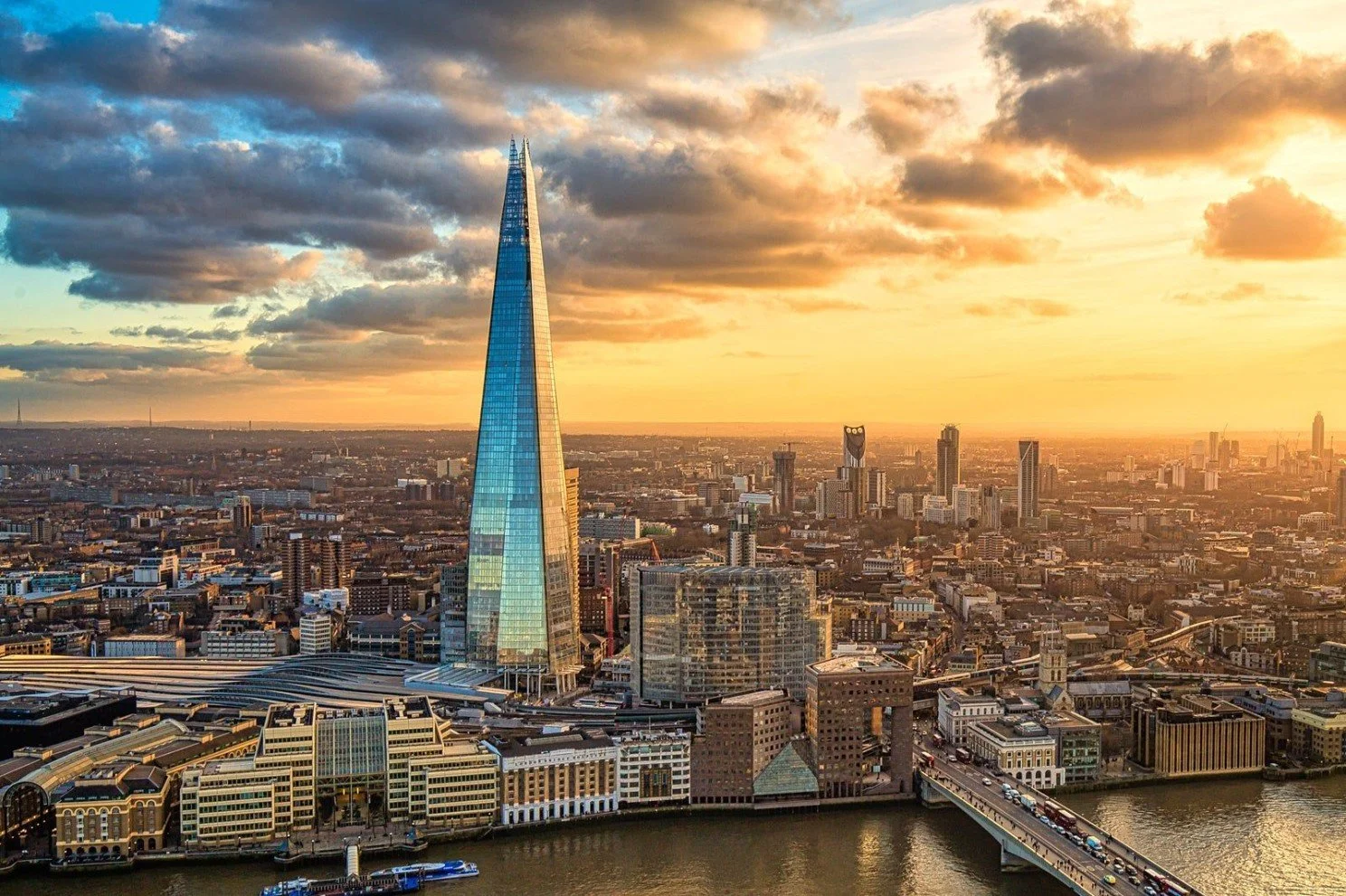
The Shard: A 95-story supertall skyscraper in Southwark, London
3. The Crown: Finishing the Skyline
One of the most overlooked aspects of luxury architecture is the crown.
The crown is the upper portion of a tower—the final statement it makes to the skyline. Many ordinary buildings simply stop. Luxury buildings finish.
Some crowns feature
Architectural lighting
Sky gardens
Sculptural forms
Signature roof structures
Distinct silhouettes
The crown transforms a building from a structure into a landmark. Think about the world's most recognizable towers.
Many are remembered not because of their height, but because of how they meet the sky.
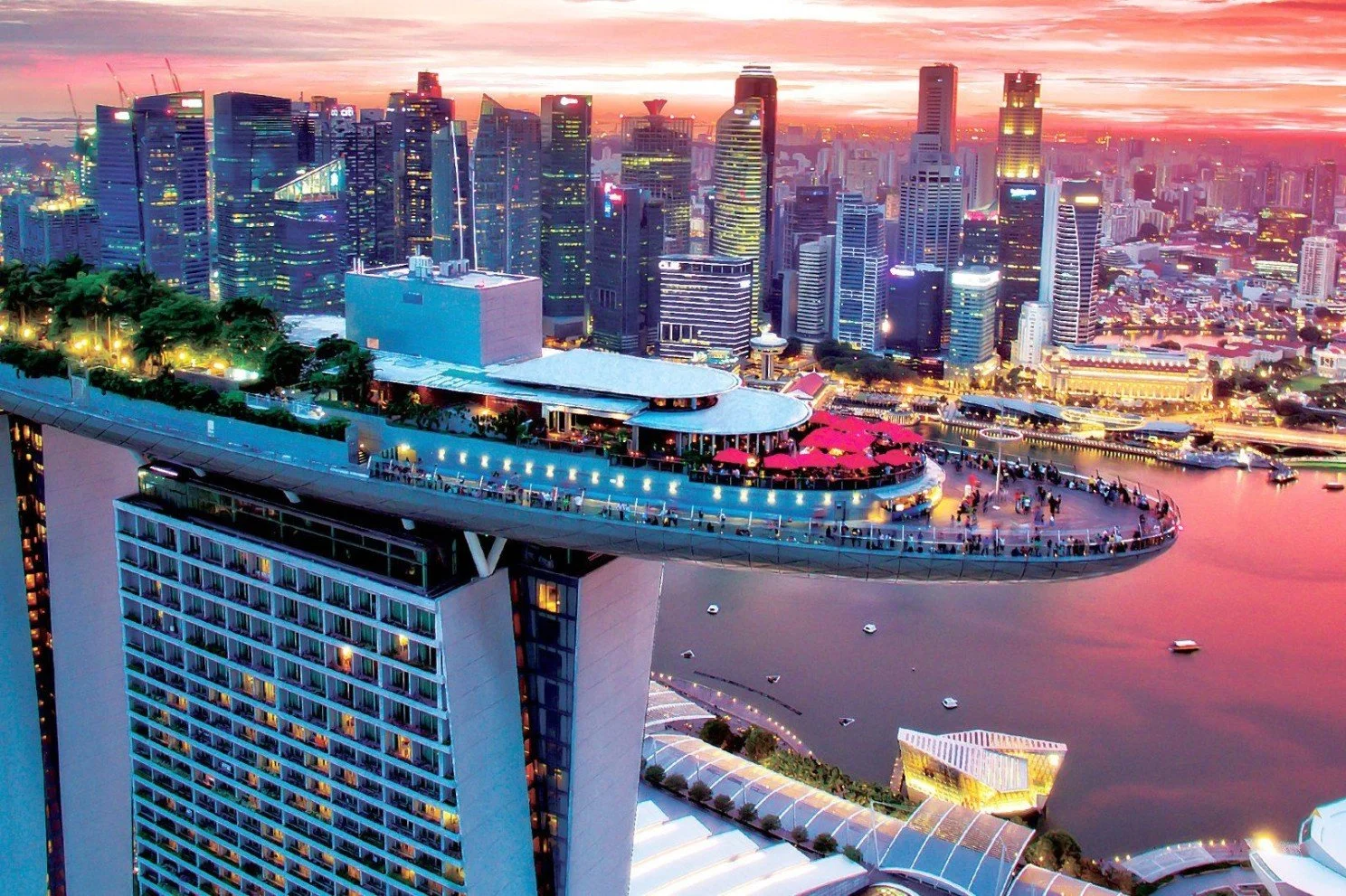
Marina Bay Sands, Singapore
4. Arrival Experience: Luxury Begins at Ground Level
True luxury architecture does not begin on the 30th floor.
It begins at the curb. The arrival experience is often the first physical interaction between a person and a building. Luxury developments pay extraordinary attention to this sequence.
A successful arrival experience may include:
Grand porte-cochère entrances
Water features
Mature landscaping
Elegant drop-off zones
Double-volume lobbies
Carefully choreographed lighting
These elements create a sense of transition. The resident leaves the city behind and enters a different environment. The best luxury buildings understand that emotional journey.
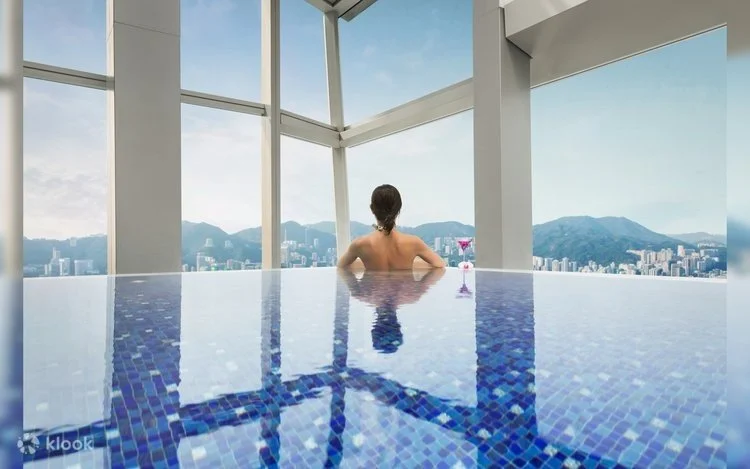
The Ritz-Carlton, Hong Kong
5. Night-Time Identity: Architecture After Sunset
Many buildings are designed for the daytime.
Luxury buildings are designed twice. Once for the day. And again for the night. Architectural lighting has become one of the most important tools in modern luxury design.
Well-integrated lighting can:
Highlight architectural details
Reinforce verticality
Create landmark status
Strengthen skyline presence
At night, architecture becomes theater. The building tells a different story. Some towers disappear after sunset. Others become icons.
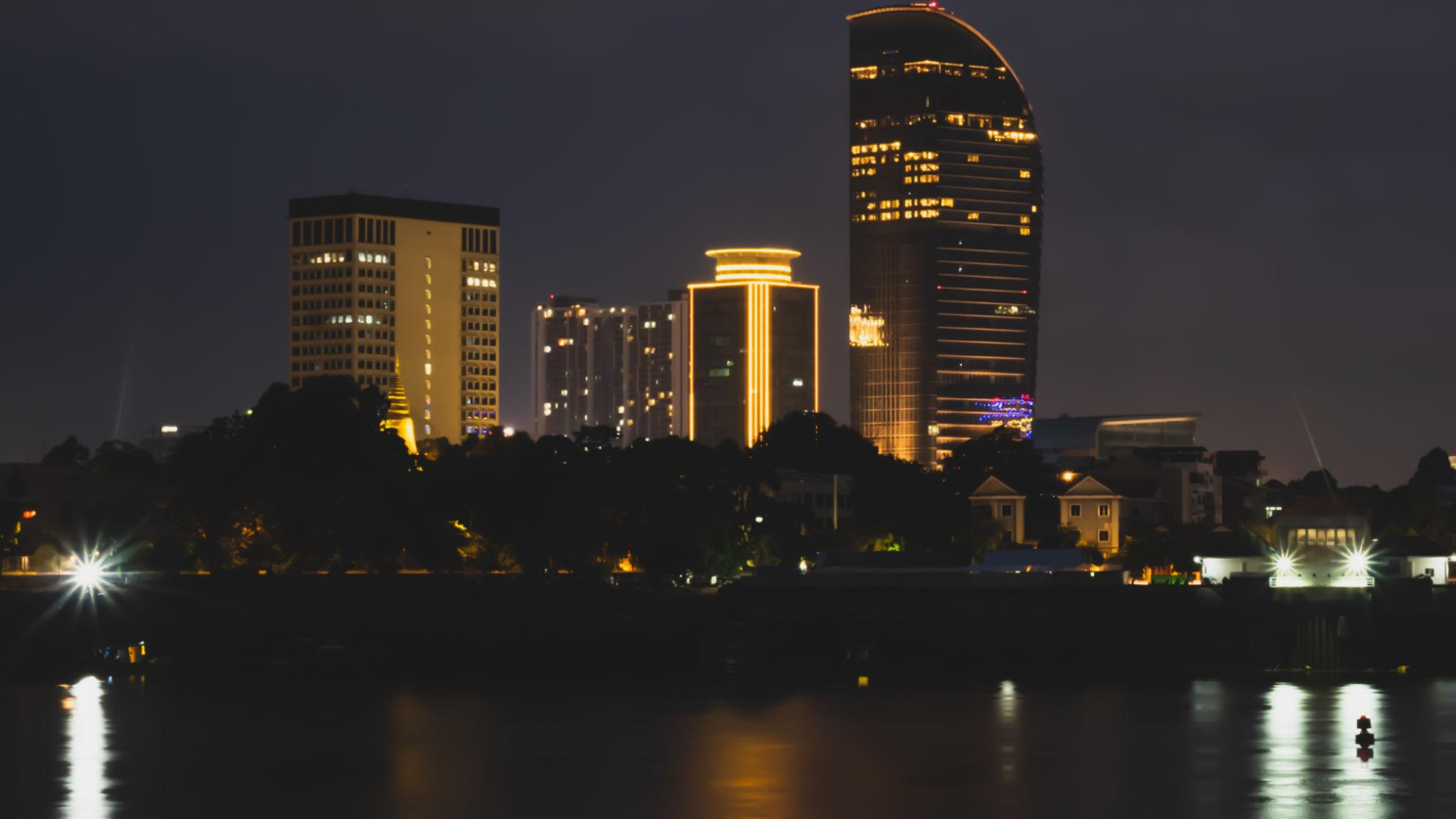
6. Presence: The Ultimate Luxury Metric
Luxury architecture is not measured solely by cost, height, or construction quality.
It is measured by presence. Presence is difficult to quantify, but easy to recognize. It is the quality that makes people look twice. It is the reason a building becomes a city landmark.
It is why certain towers appear on postcards, magazines, and social media feeds long after construction is complete.
Presence is the difference between a building that fills a plot of land and a building that contributes to a skyline.
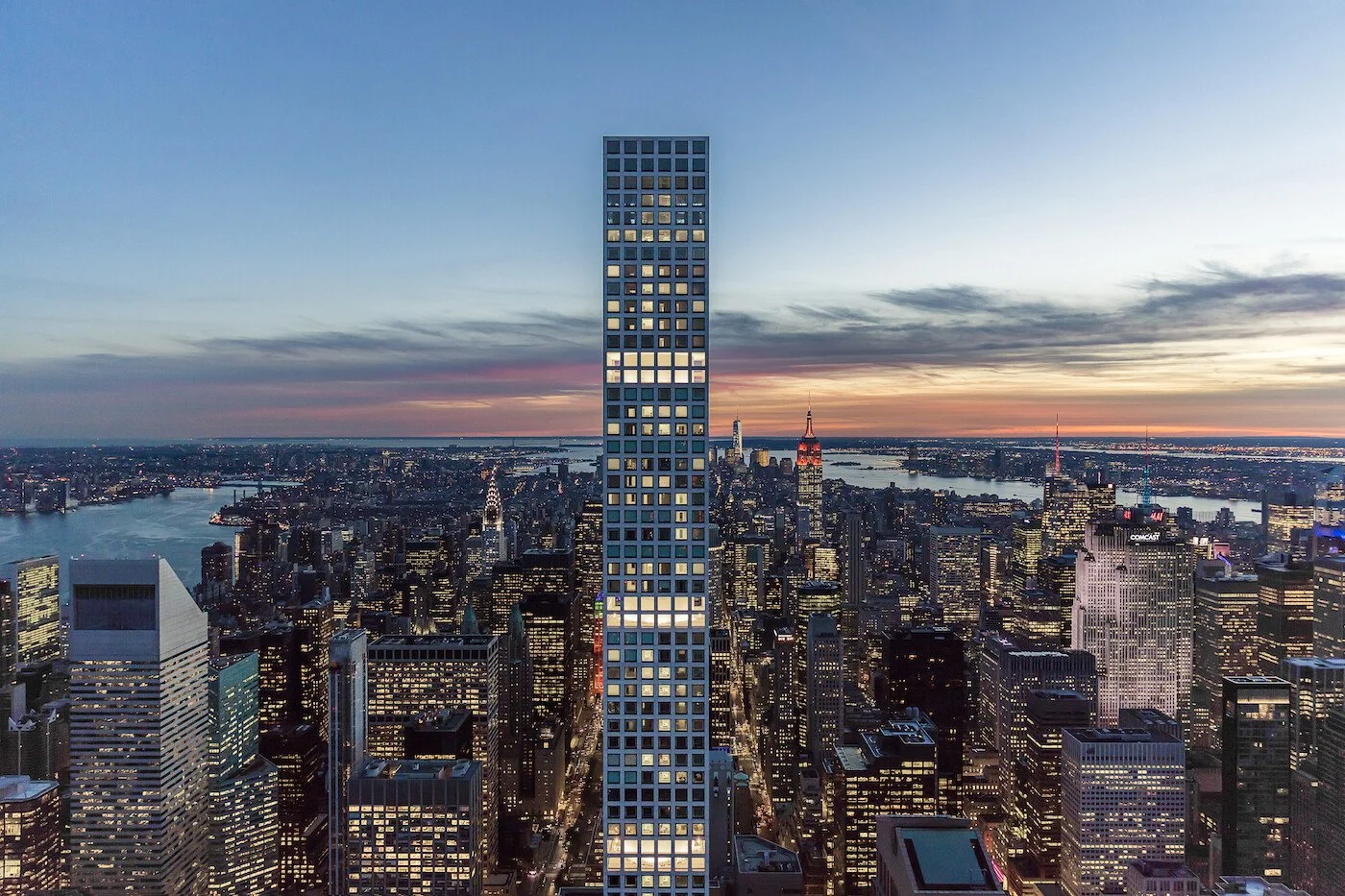
432 Park Avenue, Midtown Manhattan, New York City
The Five Pillars of Luxury Architecture
After studying luxury residences across major global cities, five recurring principles appear again and again:
Pillar >> Why It Matters
Proportion >> Creates visual harmony
Façade >> Establishes identity
Crown >> Defines skyline presence
Arrival Experience >> Creates emotional connection
Night-Time Identity >> Extends architectural impact
These elements influence how people perceive luxury long before they see a floor plan or discuss pricing.
Final Impression
Luxury architecture is not simply about being taller, larger, or more expensive.
It is about creating a lasting impression. The finest buildings are not remembered because of their amenities. They are remembered because they possess identity. They shape skylines. They influence cities. And most importantly, they create an emotional response before anyone ever walks through the door.
That is why some buildings look luxurious—even before you walk inside.
As someone who has spent nearly 15 years studying Cambodia's real estate market—from market intelligence and big-data analysis to luxury-residential curation—I have come to appreciate that the world's most memorable properties are rarely defined by price alone. They are remembered because of their architecture, their presence, and the emotions they evoke long before anyone walks through the front door.
— Hoem SeihaCurator of Luxe Residences | ERA Cambodia
📞 +855 10 699 553
📲 Telegram: t.me/hoemseiha_era
💬 WhatsApp: wa.me/85510699553