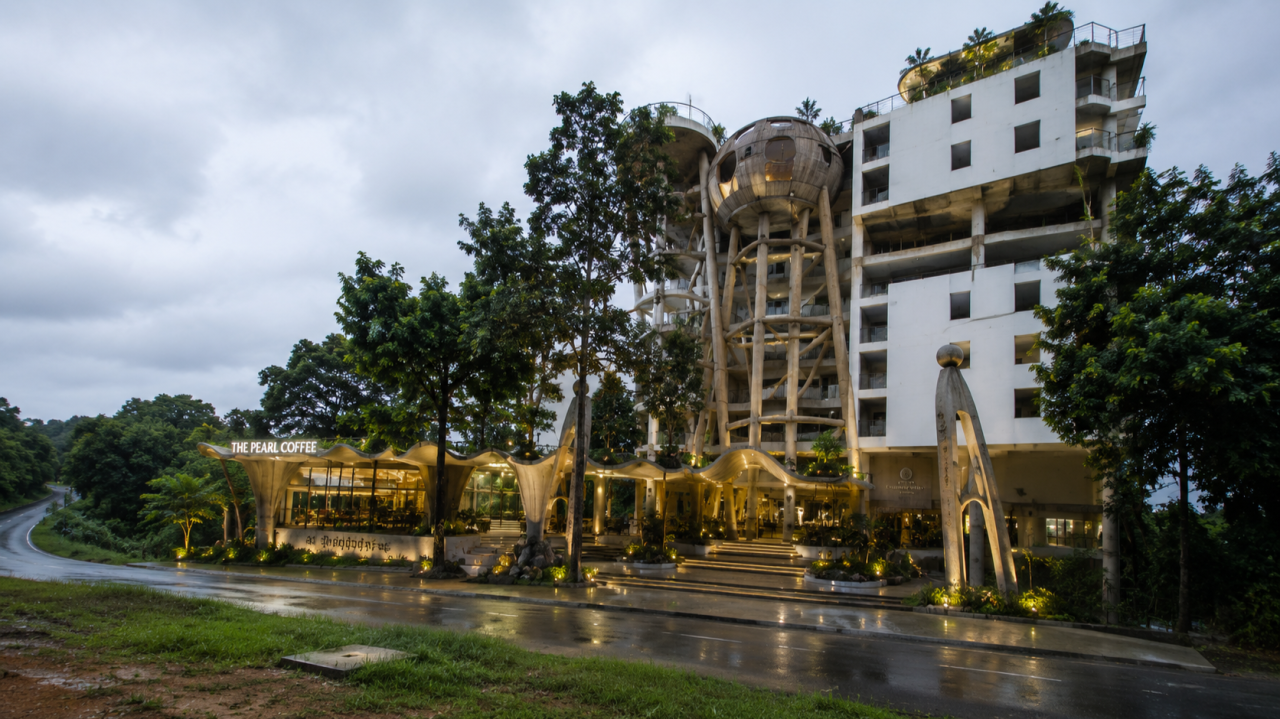
At first glance, some people may look at The Pearl of Kep and ask:
“Why does the building look unfinished?”
The answer is simple: Because it was never designed to look polished in the conventional sense.
It was designed around a very specific architectural philosophy known as béton brut or modern word as "Brutalism"—literally meaning “raw concrete.”
And understanding this philosophy is important to understanding the true identity of the project itself.
What Is Béton Brut?
The term béton brut originated from modernist architecture and later became strongly associated with the Brutalist movement and architects such as Le Corbusier.
But contrary to popular misunderstanding, béton brut does not mean poor finishing or incomplete construction.
It is an intentional architectural language.
The philosophy embraces:
raw material honesty
exposed concrete textures
structural expression
natural imperfection
minimalist authenticity
and emotional atmosphere created through mass, light, shadow, and texture
Instead of hiding the material, the architecture allows the material itself to become part of the aesthetic identity.
Concrete is not covered.
It is revealed.
And in tropical environments, this creates a very different emotional atmosphere compared with glossy urban towers.
Why This Concept Fits Kep
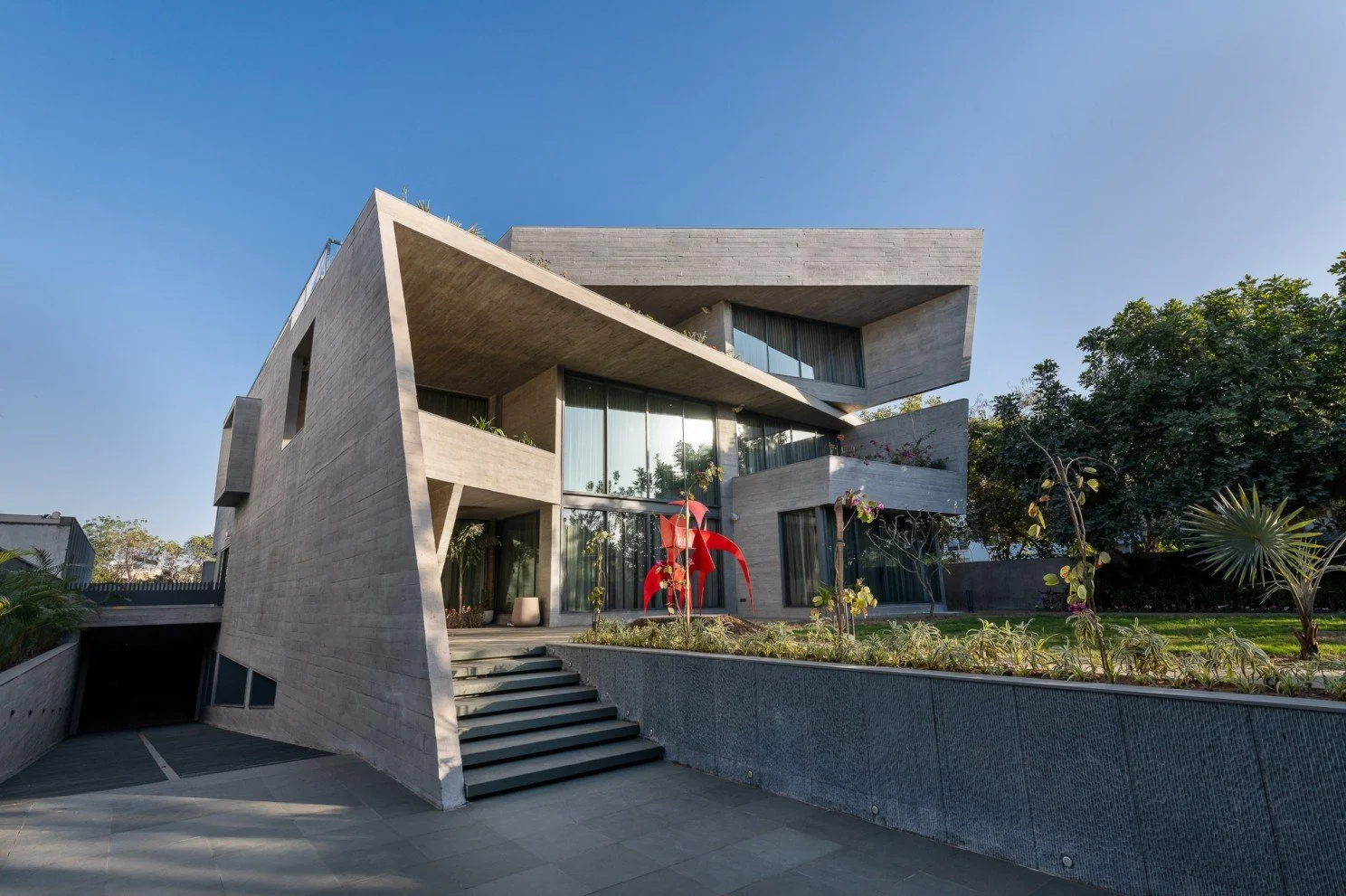
The Pearl of Kep was never intended to feel like a polished metropolitan glass tower.
That would contradict the spirit of Kep itself.
Kep’s strongest identity is:
natural
coastal
hillside-oriented
low-density
emotionally calm
and deeply connected to landscape
A heavily reflective urban façade would likely feel disconnected from the environment surrounding it.
Instead, the project embraces:
raw textures
soft neutral tones
greenery integration
natural shadow play
tropical airflow
and architectural calmness
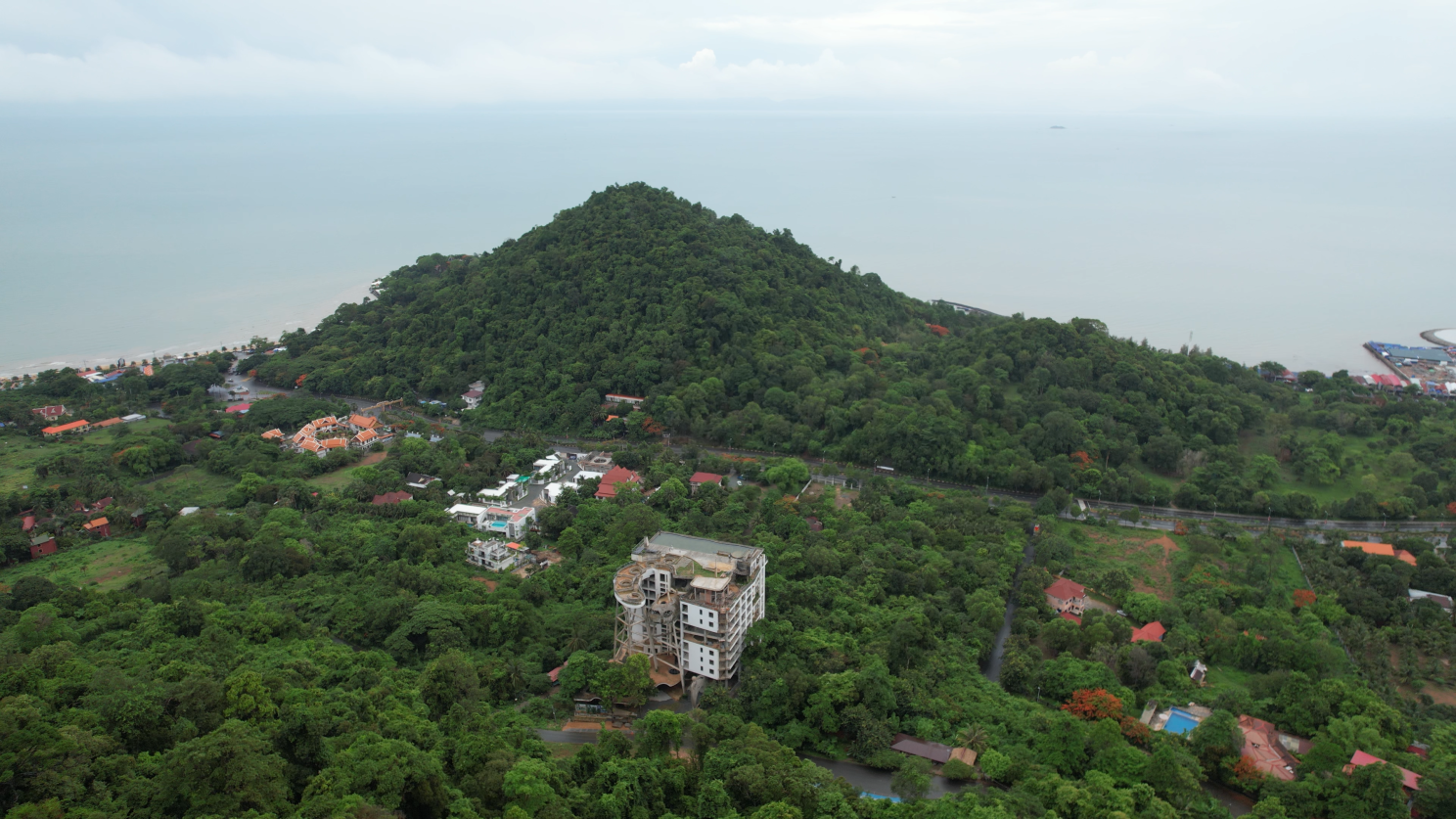
The result is a building that feels more grounded within the hillside rather than imposed onto it. This is important. The architecture is not trying to dominate nature. It is trying to coexist with it.
Tropical Architecture Rather Than Urban Architecture
The Pearl of Kep should also be understood as a form of tropical architecture.
Tropical architecture prioritizes:
airflow
shade
cross ventilation
deep balconies
greenery
openness
material durability
and environmental integration
This is fundamentally different from architecture designed primarily for colder climates or dense urban financial districts.
In tropical design philosophy, architecture is meant to breathe with the environment.
This is why many tropical luxury resorts across Southeast Asia intentionally use:
exposed concrete
natural stone
timber textures
open-air circulation
greenery integration
and softer material palettes
Because tropical luxury is often less about excessive polish — and more about atmosphere.
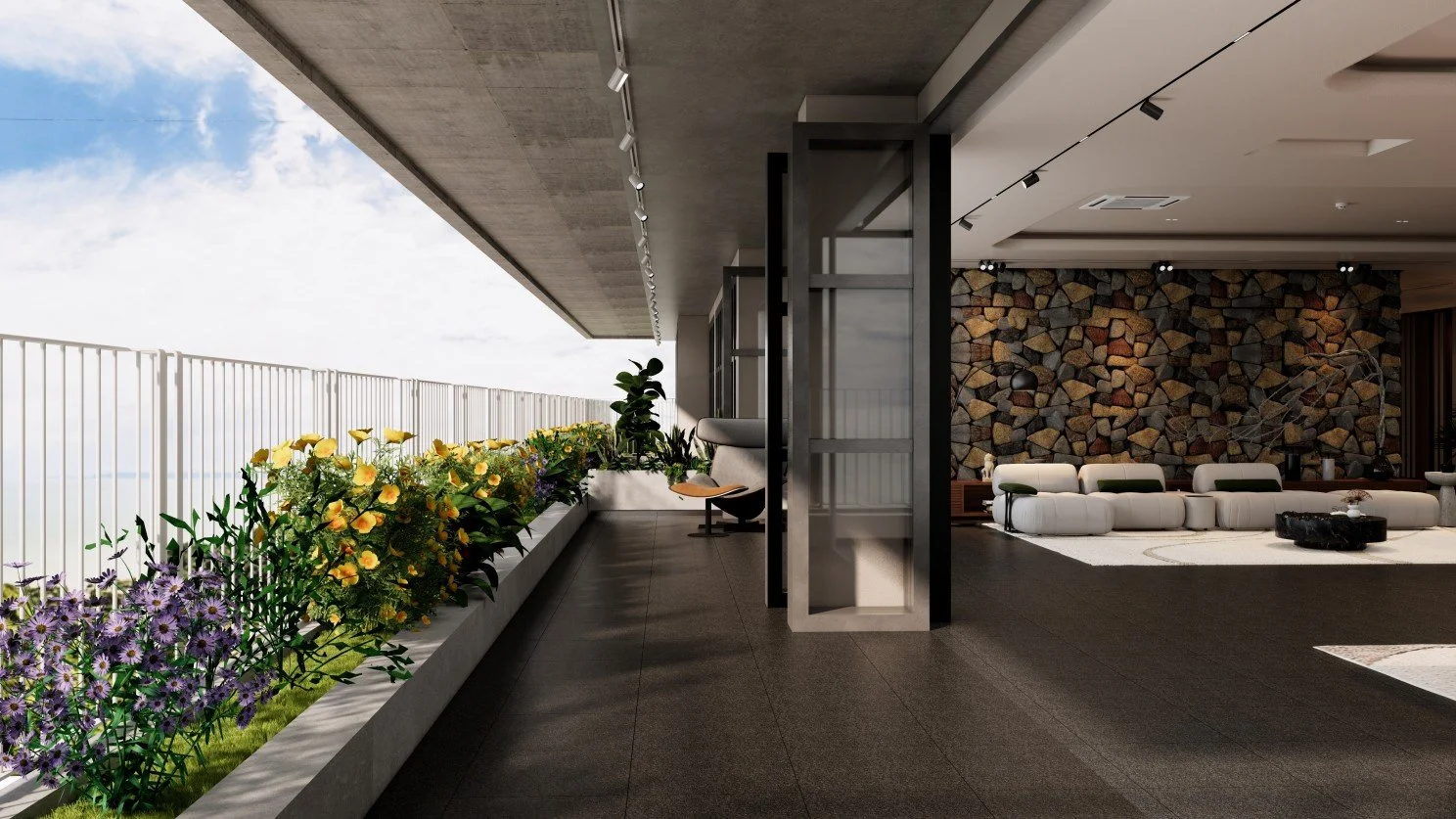
The Emotional Quality of Raw Concrete
One of the most misunderstood aspects of béton brut architecture is emotional atmosphere.
Many people initially associate exposed concrete with harshness.
But when combined correctly with:
tropical greenery
warm lighting
natural airflow
wood textures
water reflections
and open coastal landscapes
the result becomes surprisingly calm, soft, and emotionally grounding.
At The Pearl of Kep, the raw concrete palette allows:
sunlight to create texture and shadow
greenery to become visually stronger
ocean and sky colors to stand out naturally
and the architecture to age gracefully with the environment
The building becomes less artificial. Less glossy. Less temporary. And more connected to landscape and time.
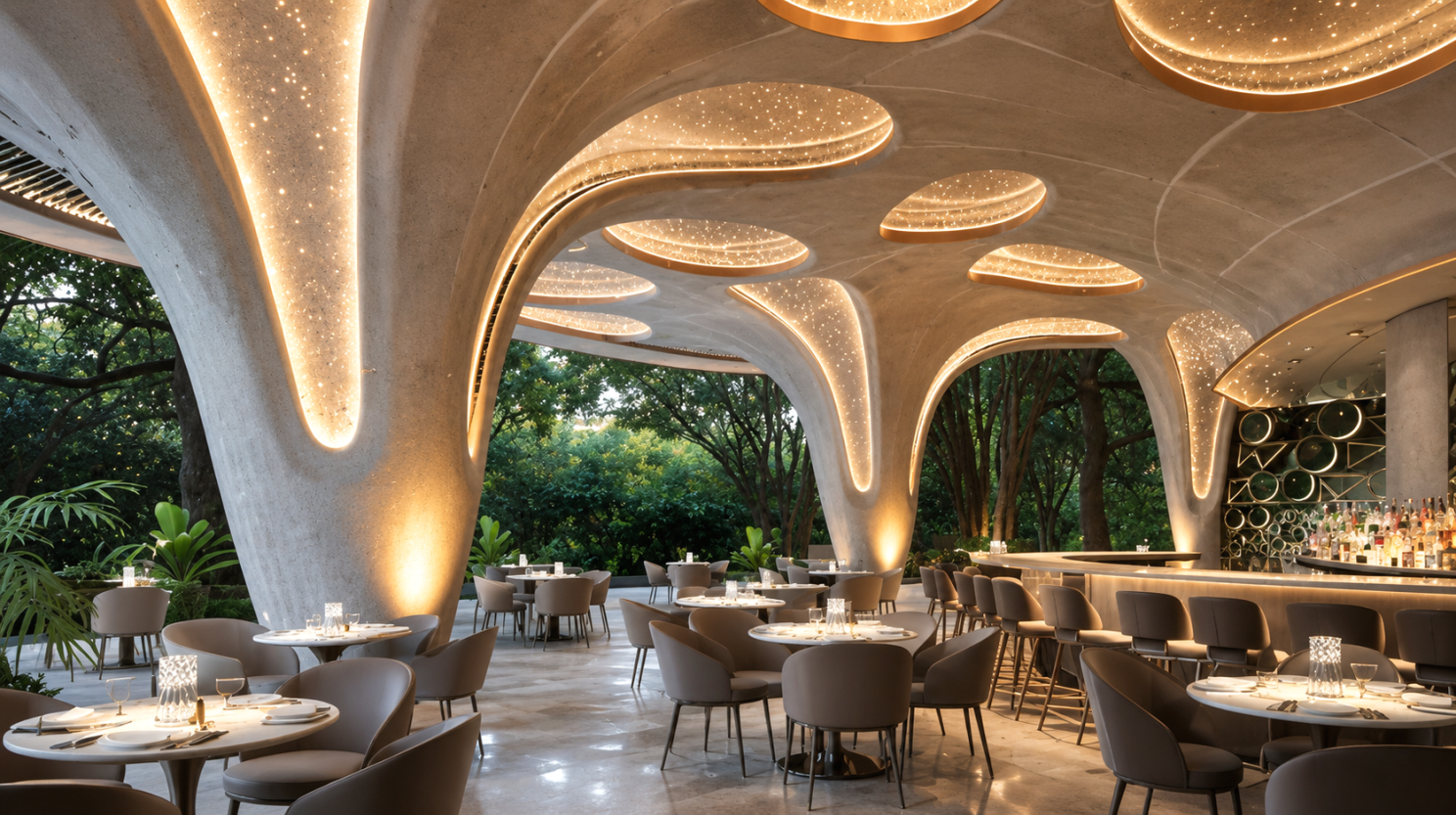
The Monolith Concept: Architecture as Presence Within the Landscape
Another important way to understand The Pearl of Kep is through the idea of the monolith.
In architecture, a monolith refers to a structure that feels singular, grounded, sculptural, and almost geological in presence — as if it emerged from the landscape itself rather than being lightly placed upon it.
This concept is important because The Pearl of Kep does not visually behave like a fragmented urban tower.
Instead, it reads as a strong architectural mass integrated into the hillside.
The building feels:
grounded
heavy
calm
protective
and deeply connected to terrain and elevation
This monolithic quality works particularly well with the project’s béton brut philosophy.
The exposed concrete surfaces reinforce the feeling that the architecture is almost carved from stone or hillside rather than artificially wrapped in decorative materials.
And emotionally, this creates something powerful.
The building begins to feel timeless. Less temporary. Less trend-driven. Less commercial.
More like a permanent presence within the coastal landscape.
This is also why the architecture feels emotionally different from many modern condominiums.
Instead of emphasizing:
lightness
glass glamour
visual excess
or urban shininess
the project emphasizes:
mass
shadow
texture
silence
and spatial calmness
The monolithic architecture allows nature to become more dominant.
The sky feels larger. The greenery feels richer. The ocean horizon feels calmer.
The building does not compete visually with the landscape. It frames the landscape.
And when combined with tropical design principles — airflow, open terraces, greenery integration, water reflection, and natural lighting — the result becomes less like a typical residential tower and more like a sculptural coastal sanctuary embedded into Kep’s hillside itself.
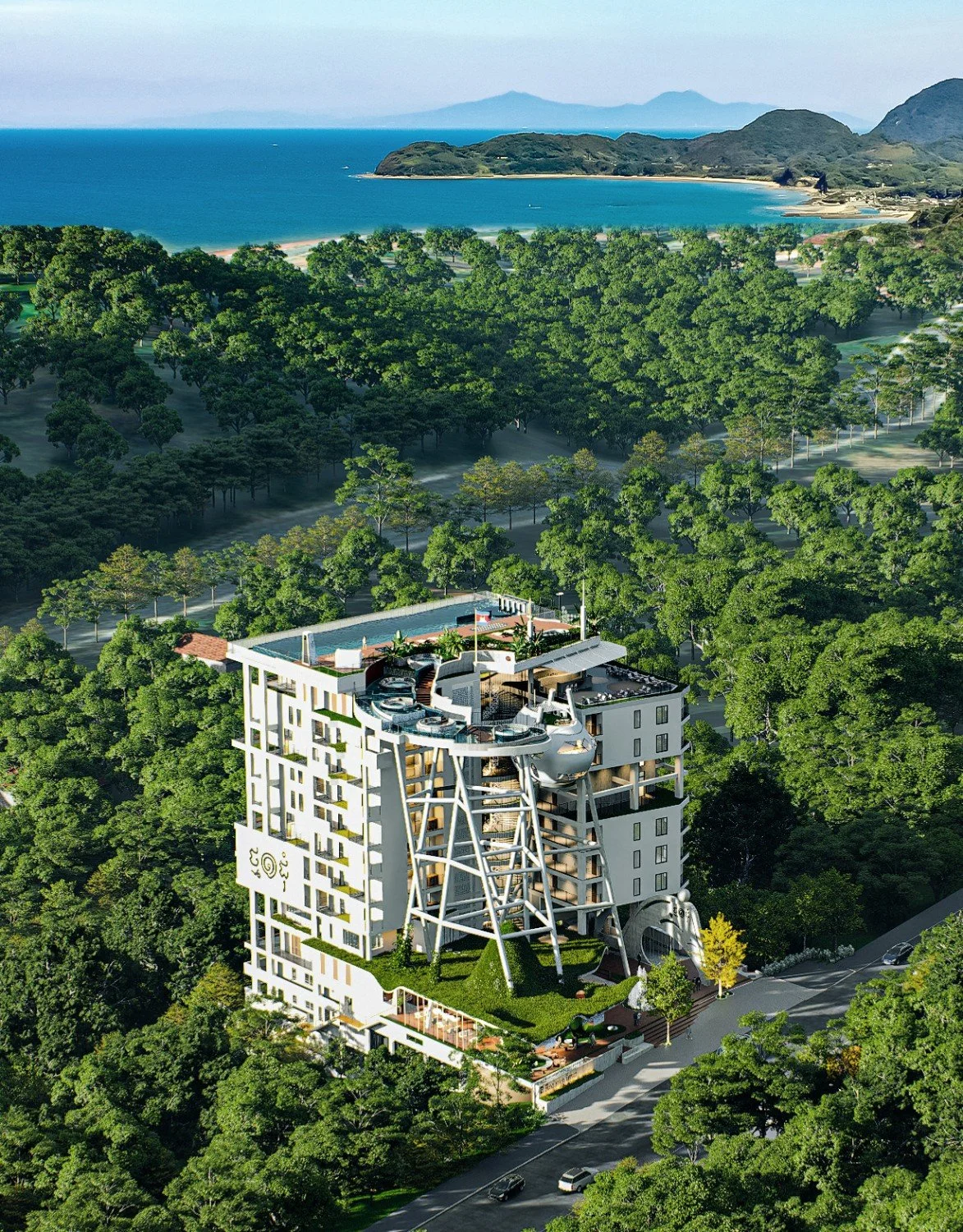
Why Luxury Is Becoming More Natural
Globally, many modern luxury resorts and wellness-oriented developments are moving away from excessively polished architecture.
Instead, they are embracing:
natural textures
raw materials
quiet minimalism
organic forms
and emotional calmness
This can be seen in:
tropical resorts in Bali
Aman-style hospitality concepts
Japanese minimalist resorts
modern eco-retreats
and nature-integrated coastal sanctuaries across Southeast Asia
Increasingly, luxury is no longer only about showing wealth visually.
It is about creating emotional atmosphere. And this is where The Pearl of Kep becomes interesting. Because the project is not trying to compete through urban glamour. It is trying to create a different emotional experience above Cambodia’s coastline.
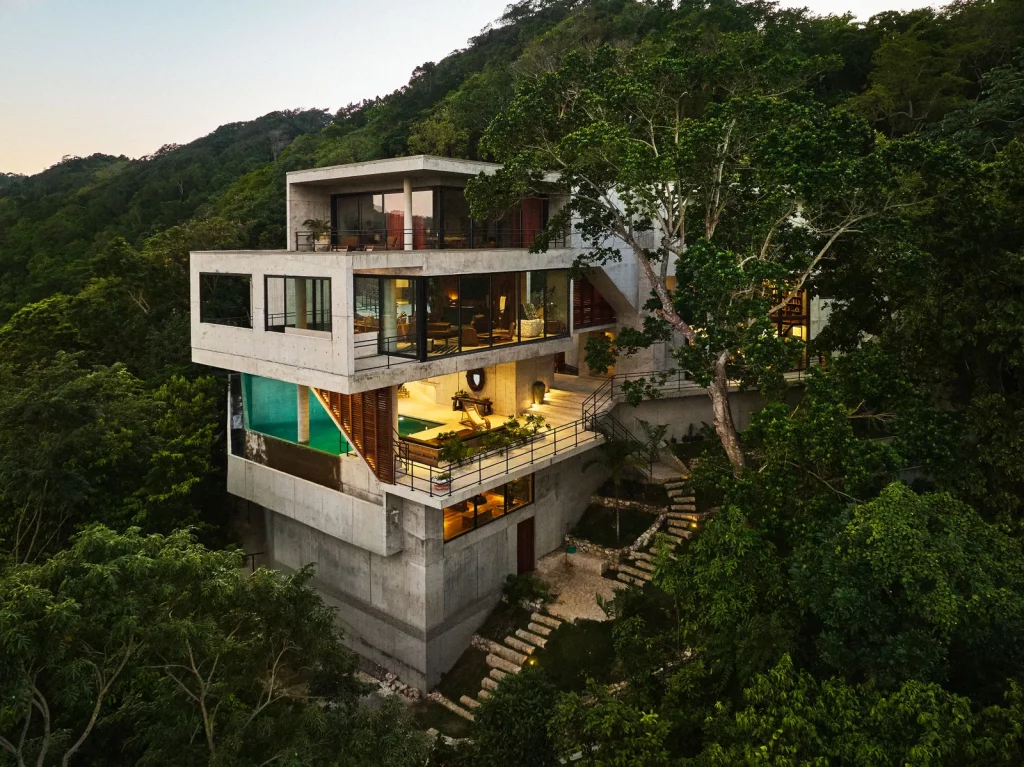
Architecture Designed Around Landscape
One of the strongest aspects of The Pearl of Kep is how the architecture works with the hillside itself. The building does not aggressively separate itself from nature.
Instead, it allows:
greenery
elevation
sea views
hillside airflow
sunset lighting
and open sky
to become part of the living experience.
This creates an architecture that feels immersive rather than isolated. The building becomes part of the landscape composition itself. And from a distance, the neutral raw-concrete palette allows the project to visually harmonize with:
the hills
the rocks
the coastal environment
and tropical vegetation surrounding it.
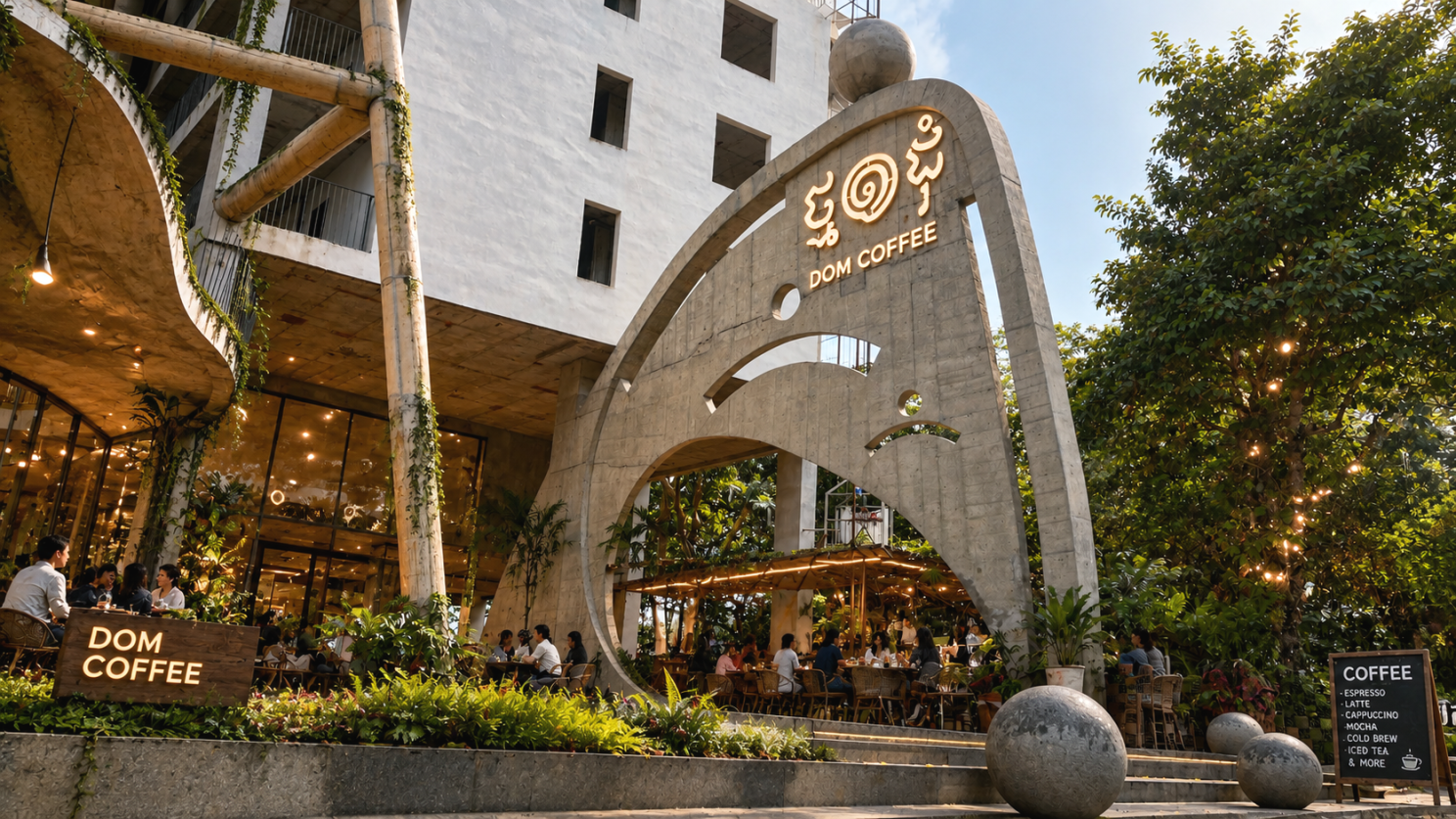
A Different Kind of Luxury
The Pearl of Kep was never designed for everyone. Its architectural language is intentionally quieter and more emotional. Some buyers may initially prefer glossy façades and highly polished towers.
Others may immediately understand the deeper appeal of:
raw material authenticity
tropical modernism
emotional calmness
nature integration
and low-density coastal atmosphere
This is why the project feels more aligned with:
boutique coastal resorts
hillside wellness sanctuaries
tropical retreat architecture
and experiential living environments
rather than conventional city condominiums. And perhaps that is exactly the point. Because The Pearl of Kep is not simply trying to build another condominium by the sea. It is trying to create a coastal sanctuary shaped by architecture, atmosphere, and landscape together.
Conclusion
Béton brut architecture is not unfinished architecture. It is architecture that intentionally reveals its material honesty.
At The Pearl of Kep, this philosophy becomes even more meaningful because it is combined with:
tropical design
monolithic form
hillside integration
coastal atmosphere
greenery
airflow
and emotional calmness above Cambodia’s coastline
The result is a building that feels less like a commercial urban product — and more like a natural extension of Kep itself.
And in a world increasingly dominated by polished uniformity, perhaps that quiet authenticity is precisely what makes the project distinctive.
The Pearl of Kep does not try to overpower the landscape. It belongs to it.
Curated by Hoem Seiha – Curator of Luxe Residences | ERA Cambodia
Call: +855-10-699-553
Telegram: t.me/hoemseiha_era
WhatsApp: wa.me/85510699553
Line ID: hoemseiha
Email: hoem.seiha@eracambodia.com
